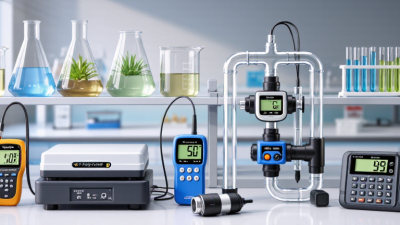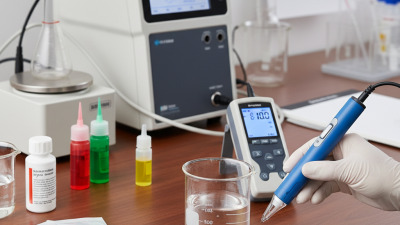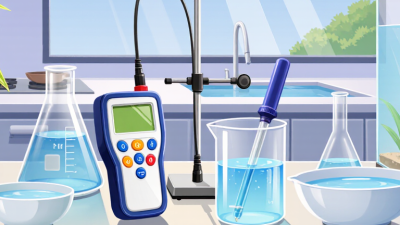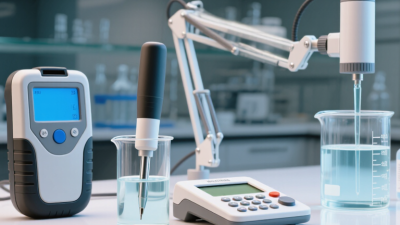

Choosing a pH meter for an overseas purchase is not just a search for the lowest quote. The ph meter price can change with accuracy, probe design, calibration options, and included accessories. A basic pocket model may suit quick checks of water or soil, while a benchtop unit offers more control for routine laboratory work. The right choice depends on the sample, testing frequency, and required measurement range. Small details matter.
This guide helps global buyers compare prices with practical features, rather than relying on a product name alone. Check whether the listed cost includes a probe, calibration solutions, batteries, and a protective case. Confirm the stated accuracy, measurement resolution, temperature compensation, and replacement-probe availability. Also review warranty terms, shipping costs, and the seller’s support process. These details can affect the total cost after purchase. A low quote may leave out useful items; a higher one may include them, but that still needs verification.
No single price is best for every buyer. A meter used occasionally in a classroom has different needs from one used daily in food, water, or industrial testing. Compare like with like, and ask for a clear specification sheet when product descriptions are vague. I would not treat any price guide as a substitute for checking current listings. Prices and stock can shift, and even a well-presented comparison can miss a detail. That is worth remembering.
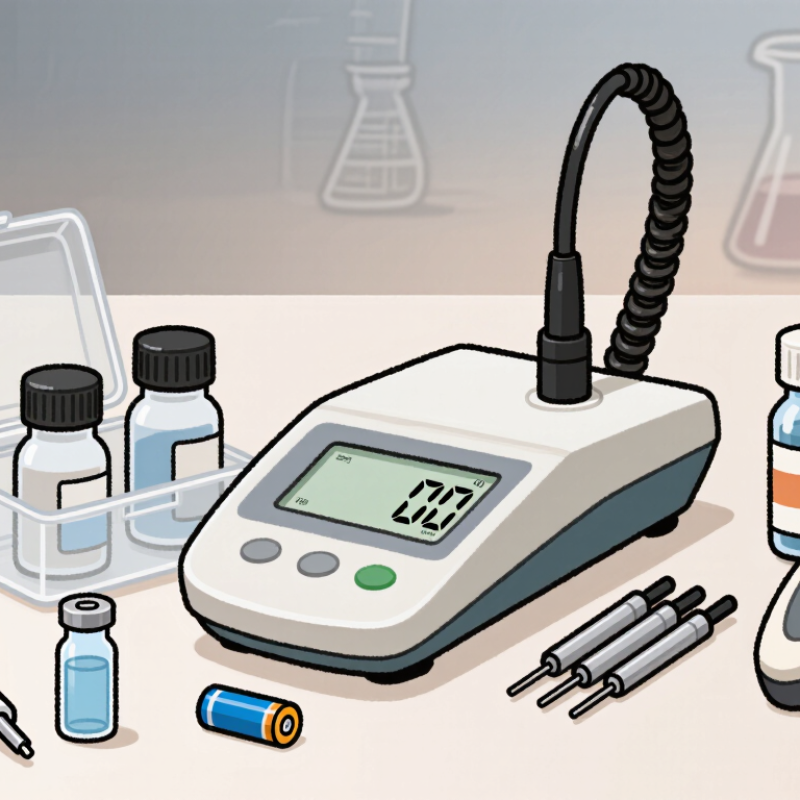
China Best pH Meter Price Guide for Global Buyers
Define pH Meter Categories and the Standard 0–14 pH Scale
pH meters commonly come as handheld, portable, benchtop, or in-line process instruments. Handheld units suit quick checks at a sampling point; benchtop meters offer steadier setups for routine laboratory work. Process meters monitor tanks or pipes continuously. Compare electrode type, durability, calibration options, and measurement range—not price alone.
The familiar 0–14 scale describes many dilute aqueous solutions near 25°C. pH is the negative logarithm of hydrogen-ion activity, so a one-unit change represents a tenfold change. The scale is not an absolute limit: concentrated solutions may fall outside it, and temperature affects readings and neutrality. NIST reference-buffer data give standard values of 4.005, 6.865, and 9.180 at 25°C, useful checkpoints for calibration. A clean display can still hide a poor measurement.
Tips: Calibrate with buffers that bracket your sample’s expected pH. Rinse the electrode between solutions, blot gently, and keep its sensing bulb hydrated. Automatic temperature compensation helps, but it does not correct every electrode or sample effect.
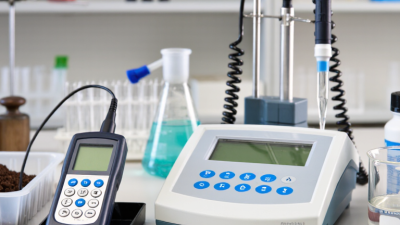
A low-cost pH meter can be a sound purchase, but compare its accuracy and resolution separately. Resolution is not accuracy. A display reading of 0.01 pH only shows the smallest displayed increment; it does not prove the result is within ±0.01 pH. Check the specification’s stated accuracy, test conditions, and calibration requirements before comparing prices. NIST’s certificate for Standard Reference Material 186g lists phosphate buffer at pH 6.863 at 25°C, a useful reference point for checking calibration. Temperature matters.
Treat ±0.01 pH as a performance claim to verify, not a guarantee in every sample. ISO 10523:2008 describes pH measurement in water, while ASTM E70 addresses pH measurement in aqueous solutions. Both reinforce the importance of measurement conditions. In practice, a worn electrode, contaminated buffer, or slow temperature stabilization can affect readings. I still double-check the electrode response; specifications alone don’t tell the whole story.
Tips: Compare meters using fresh buffer solutions near your expected sample range. Calibrate with two or three points, rinse the probe between solutions, and allow readings to stabilize. Ask whether the quoted accuracy applies across the full measuring range and temperature span. A cheaper meter may be adequate for routine checks, but not if its uncertainty is unclear.
Calibration count affects both price and daily workflow. A 1-point pH meter uses one buffer to adjust its reading at a selected point. It suits simple checks near that value, but it does not confirm electrode slope across a wider range. Low upfront cost can be appealing. Still, a narrow calibration may leave uncertainty when samples vary.
A 2-point model calibrates with two buffers, often pH 4 and 7 or pH 7 and 10. This checks offset and response across a broader range, making it a practical choice for routine water or process testing. Three-point calibration adds another reference, useful when measurements span acidic, neutral, and alkaline samples. Five-point models offer more reference points for varied work, but take longer and require fresh, uncontaminated buffers. More points are not automatically better. Match the calibration range to expected samples, and follow the meter’s instructions for temperature compensation and electrode care. I would still question whether every extra point earns its added cost.
Tips: Rinse the probe with clean water between buffers, then gently blot it. Never return used buffer to its bottle. Record calibration results and date; small habits matter.
For global buyers comparing China-made pH meters, price depends on measurement stability, probe quality, calibration features, and enclosure protection. As a practical budgeting range:
These are indicative supplier-level ranges, not audited market averages. Probe costs matter.
Portable meters suit field checks at tanks, wells, and production lines. Bench models usually offer a larger display, finer resolution, and more controlled calibration for laboratories.
Online meters add a controller, sensor, cable, and sometimes a flow cell; installation and replacement probes can raise the total substantially.
Ask whether quoted prices include buffers, temperature compensation, certificates, and spare sensors. A low quote may exclude the part that wears fastest.
Demand context matters, but it does not set equipment prices. UN-Water’s 2024 SDG 6 report says 58% of household wastewater was safely treated globally in 2022, underscoring the continuing need for dependable water monitoring.
For an online installation, compare sensor replacement intervals and service access, not just the initial meter price.
A neat price table can still mislead: sample type, temperature, and fouling affect real-world performance, and buyers should verify specifications against their own process.
A low purchase price can hide the real cost of reliable pH readings. Compare the meter, electrode, buffers, storage solution, and replacement frequency. As a planning example, budget $120 for a meter, $65 for an electrode, $30 yearly for buffer solutions, and $25 yearly for storage and cleaning supplies. Replacing the electrode every 12 months brings a three-year estimate to about $415, before shipping, tax, or downtime. This is a working example, not a market average. Electrode lifespan depends on sample type, cleaning, and storage.
Small parts matter. The U.S. EPA’s Method 150.1 includes buffer calibration in its pH measurement procedure, showing why buffers belong in the operating budget. For global purchases, check whether calibration sachets are included and whether replacement electrodes ship easily to your location. Keep a sealed buffer packet beside the meter; contamination from a reused cup can undermine a careful calibration. A spare electrode may feel excessive, but waiting weeks for delivery can cost more than the spare itself. The estimate can still miss something: frequent testing, dirty samples, or poor storage may shorten electrode life. Ask suppliers for replacement-part prices and warranty terms before comparing meter prices.