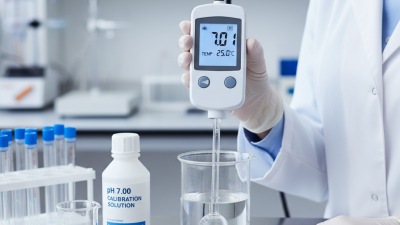
2026 Top Types of pH Meter for Water Which Is Best?
Choosing the right ph meter for water is not a simple buying decision. Water may look clear, yet its pH can shift because of temperature, minerals, chlorine, algae, or contamination. A reliable meter must match the sample, testing location, and required accuracy.
Arnold O. Beckman, inventor of the first commercially successful electronic pH meter, said, “The pH meter is one of the most important inventions in chemistry.” His work changed laboratory testing by making pH measurement faster and more practical. That principle still matters today. A cheap device can display numbers, but dependable results require calibration, clean electrodes, stable temperature, and careful handling.
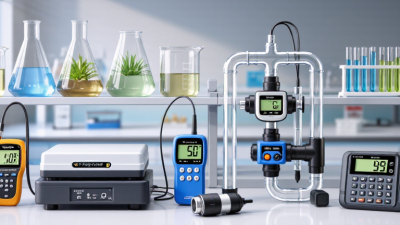
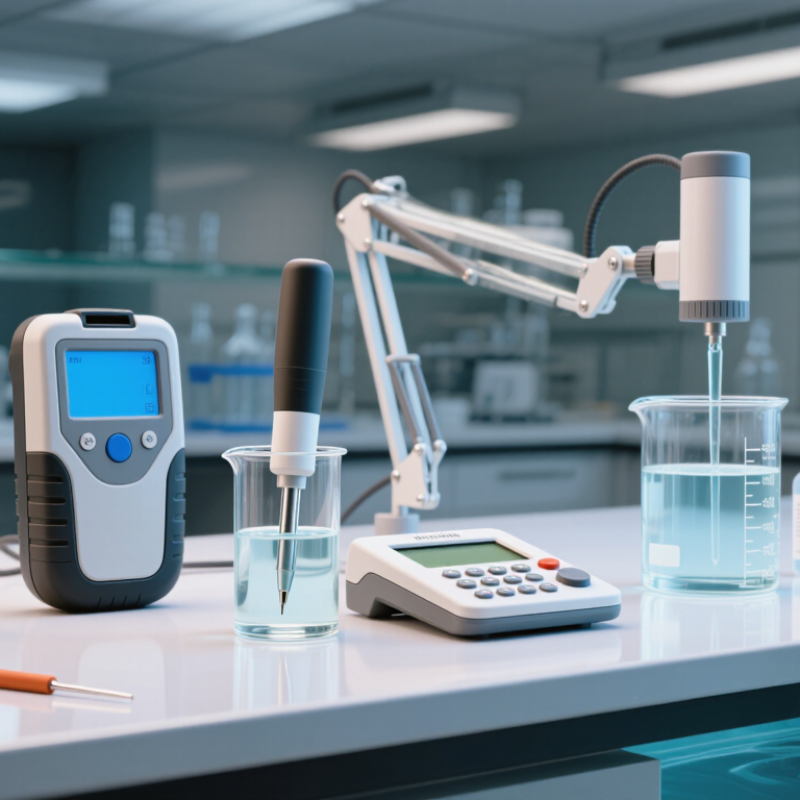
Several meter types deserve attention in 2026. Pen-style meters are compact and useful for quick checks in aquariums, pools, and household water. Portable meters offer stronger protection for farms, field inspections, and environmental sampling. Benchtop models provide better control for laboratories and treatment facilities. Inline systems monitor water continuously, reducing the risk of unnoticed changes.
Small details matter. A dry electrode may respond slowly. Dirty storage solution may distort readings. Even a perfect-looking sample can mislead you.
No meter is flawless.
This guide compares accuracy, electrode design, calibration needs, temperature compensation, durability, and operating cost. It also questions a common assumption: the most expensive ph meter for water is not always the best choice. The right model is the one that produces trustworthy readings under your real working conditions.
Water pH Basics: The 0–14 Scale and EPA’s 6.5–8.5 Range
Water pH describes acidity or alkalinity on a logarithmic 0–14 scale. A reading of 7 is neutral at about 25°C. Each one-unit change represents roughly a tenfold difference in hydrogen-ion activity. The U.S. EPA’s National Secondary Drinking Water Regulations list 6.5–8.5 as the recommended pH range for drinking water. This is an operational and aesthetic guideline, not a universal health guarantee.
The best pH meter depends on the water and the measurement setting. A portable pen meter suits household checks, aquaculture, and field sampling. A benchtop meter offers stronger control for laboratories and treatment rooms. For wells, tanks, or flowing systems, an inline sensor can provide continuous readings. The U.S. Geological Survey explains that pH shifts with geology, dissolved minerals, temperature, and biological activity. One number rarely tells the whole story.
Calibration matters more than a polished screen. Use fresh buffer solutions, rinse the electrode, and record temperature with every result. The World Health Organization’s Guidelines for Drinking-water Quality identifies pH as important for corrosion control and disinfection performance. A sample reading of 8.6 deserves attention, but it does not prove contamination. A neat number can still mislead. Electrodes age. Sampling technique fails. Even experienced operators should question an unusual result and test it again.
2026 Top Types of pH Meter for Water: Which Is Best?
Water pH Basics: The 0–14 Scale and EPA’s 6.5–8.5 Range
How to Choose a Water pH Meter
pH Test Strips
Low-cost and portable. They provide an approximate reading by matching a color change to a printed scale.
Colorimetric Test Kits
Useful for field screening. A reagent produces a color that is compared with a calibrated reference chart.
Handheld Digital Meters
A practical choice for routine water testing when portability, repeatability, and direct numerical readings are needed.
Benchtop Meters
Designed for laboratory work, with controlled measurement conditions and calibration workflows.
Inline or Online Meters
Installed in a process line or monitoring system for continuous measurement and control.
The pH scale commonly runs from 0 to 14: values below 7 are acidic, 7 is neutral, and values above 7 are alkaline. The U.S. EPA secondary drinking-water guideline for pH is 6.5–8.5. The best meter depends on the required accuracy, portability, measurement frequency, sample conditions, and calibration needs.
Pocket and Portable pH Meters: ±0.01 Accuracy for Field Testing
In 2026, pocket and portable pH meters remain practical choices for field water testing. Pocket meters fit easily beside sample bottles and provide quick readings at wells, tanks, and small streams. Portable units usually offer larger displays, stronger probes, and better handling for repeated measurements. Both types may advertise ±0.01 pH accuracy. It is not automatic.
Field experience shows that preparation affects results as much as the instrument. Rinse the electrode with clean water before every test. Do not wipe the sensitive glass bulb, because tissue can create static or leave residue. Use certified pH buffer solutions for calibration, preferably near the expected water range. Temperature also matters. A meter with automatic temperature compensation can reduce this error, but it cannot correct a dirty or damaged probe. Small details matter.
For occasional household checks, a pocket meter is often the most convenient option. For environmental sampling or treatment inspections, a portable meter with replaceable electrodes may be more suitable. Look for clear calibration prompts, a waterproof housing, stable readings, and simple data recording. No instrument is perfect. A hurried rinse, trapped air, or an old buffer can produce a convincing but incorrect number. When readings change sharply, test the sample again and inspect the electrode before trusting the result. That extra minute can prevent a weak field decision.
Benchtop pH Meters: 0.001 Resolution for Laboratory Water Analysis
For laboratory water analysis in 2026, a benchtop pH meter with 0.001 resolution offers detailed readings for controlled testing. It can display values such as 7.124 instead of 7.12. This extra digit helps track small changes in purified, treated, or environmental water. However, resolution is not the same as accuracy. A screen may show three decimals while the real result remains affected by calibration quality, electrode condition, and sample temperature.
In daily laboratory work, I would calibrate the meter with fresh standard buffers before important measurements. Rinse the electrode with deionized water, then blot it gently with lint-free tissue. Do not wipe the glass bulb aggressively. Keep samples near a stable temperature, and allow the reading to settle before recording it. Automatic temperature compensation improves consistency, but it cannot correct a dirty electrode or poor sampling technique. A clean beaker, steady stirring, and enough sample volume also matter. Small details matter here.
I have seen analysts trust a stable display too quickly. That is a mistake worth remembering. Electrode slope, aging, and storage conditions should be checked regularly. A benchtop model is usually best when repeatability, clear data records, and fine display resolution matter more than portability. Yet even advanced equipment needs human judgment. A questionable sample should be tested again, not accepted because the final number looks precise.
How to Choose: Calibration at pH 4.01, 7.00, and 10.01
Choosing a pH meter for water starts with calibration, not screen size or extra functions. A reliable routine uses pH 7.00 first, then pH 4.01 or 10.01. The second buffer should bracket the expected sample.
Acidic samples need pH 4.01. Alkaline samples need pH 10.01.
For broad water testing, all three points reveal electrode slope and offset more clearly.
The U.S. EPA Method 150.1 describes calibration with standard buffer solutions before water analysis. ASTM D1293 also emphasizes temperature control, clean electrodes, and proper calibration procedures. Drinking-water guidance commonly places acceptable pH near 6.5–8.5, so pH 7.00 is an important reference point.
Use fresh buffers in separate containers. Rinse with purified water, then blot gently. Do not wipe the glass bulb. That small mistake can create static errors.
Automatic temperature compensation cannot repair dirty electrodes or expired buffers. Calibration should match the sample temperature whenever possible. After calibration, check a buffer again. A result outside the expected tolerance deserves investigation.
In daily laboratory work, three-point calibration feels safer, but it is not always better. Poorly maintained buffers can make extra points misleading.
I still record buffer lot numbers, temperature, slope, and calibration time. Those notes expose drift that a simple “calibrated” message hides.
When choosing a meter, prioritize stable readings, replaceable electrodes, temperature measurement, and calibration records over decorative features.