Why Choose a Professional Water Test Kit?
Water can look clear and still carry invisible risks. A faint metallic taste may suggest corrosion, while no taste reveals nothing. That uncertainty makes a professional water test kit valuable for homes, laboratories, farms, and commercial facilities.
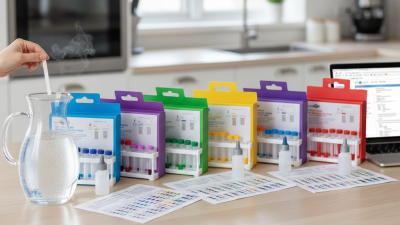
Dr. Kelly Reynolds, an environmental health scientist at the University of Arizona, emphasizes the importance of evidence-based water safety: “Testing turns concern into information.” Her point is practical. A reliable kit measures specific indicators, such as lead, copper, nitrate, chlorine, hardness, pH, and bacteria. It also provides clearer procedures than basic color strips. Some professional models include sterile sampling bottles, calibrated meters, reagent packets, and comparison charts. These details reduce guesswork. They do not eliminate it.
Accurate testing depends on careful handling. Use clean gloves, avoid touching bottle openings, and record the collection time. Follow the stated holding period. A sample left beside a sunny kitchen window may produce misleading results. Calibration matters too. Even an expensive instrument can drift. I have seen people trust a digital reading without checking its calibration date. That is a mistake worth remembering. A kit can support good decisions, but it cannot replace an accredited laboratory when contamination is suspected. Results should be compared with current local drinking-water standards and professional guidance. The right choice is not always the most expensive kit. It is the one with validated methods, clear instructions, suitable detection limits, and dependable technical support. Small details matter. Reliable evidence protects health and prevents unnecessary panic.
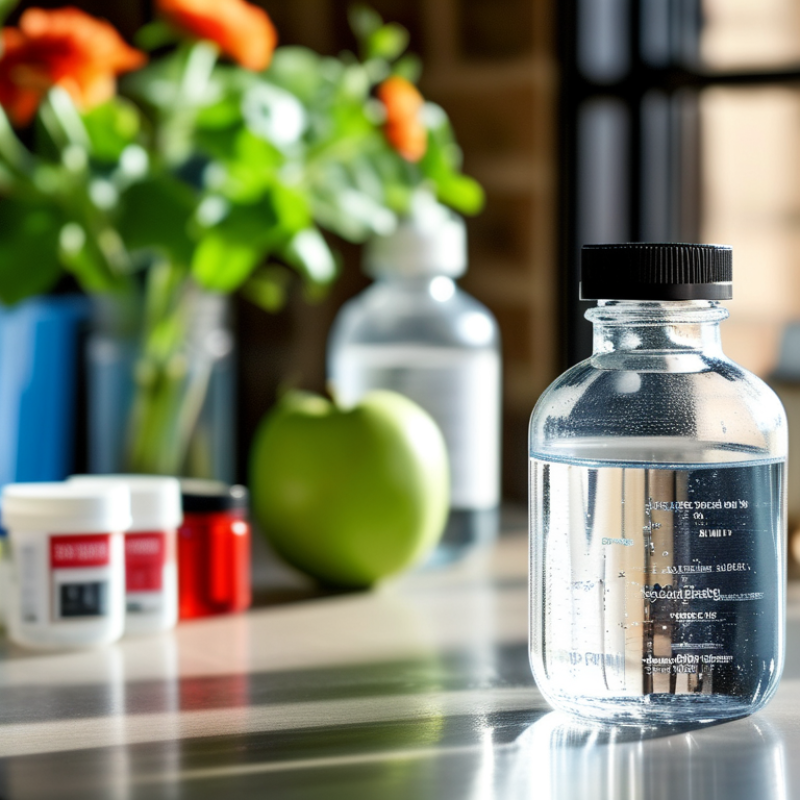
A professional water test kit is more than a box of reagents. It combines validated methods, clear instructions, calibrated instruments, and traceable results. The World Health Organization’s Guidelines for Drinking-water Quality identify Escherichia coli as a key indicator of recent fecal contamination. Results should therefore show whether organisms are absent or present in a defined sample volume, commonly 100 milliliters.
Reliable testing also depends on detection limits, expiration control, and quality checks. The U.S. Environmental Protection Agency’s National Primary Drinking Water Regulations set enforceable limits for many contaminants, including metals, nitrate, and microbial hazards. A professional kit should explain its measuring range and possible interference. It should also support duplicate testing or control samples. One reading can mislead. Even trained users may mishandle a sample.
Tips: Collect samples in clean containers. Follow holding times carefully. Record the date, location, temperature, and unusual odor or color. Compare results with current public-health guidance, not internet guesses.
Field experience reveals a practical weakness: convenience can reduce discipline. Strips may provide rapid screening, but laboratory confirmation is often necessary when results approach a regulatory limit. The 2023 WHO/UNICEF Joint Monitoring Programme reported that 2.2 billion people lacked safely managed drinking water in 2022. That figure highlights why dependable local testing matters. A professional kit should make uncertainty visible, not hide it behind a neat number.
Professional water test kits measure more than appearance, taste, or smell. They combine calibrated meters, reagent-based tests, and controlled sampling procedures. A pH probe records acidity on a numerical scale. Conductivity measurements estimate dissolved ionic content. Photometric tests measure color intensity after a chemical reaction. These results are more useful than a vague “clear” or “cloudy” judgment.
The U.S. Geological Survey’s National Field Manual recommends checking calibration, sample temperature, and holding time during field measurements. Small errors matter. A warm sample can shift readings, while a dirty cuvette can falsely increase turbidity. The U.S. Environmental Protection Agency sets a 0.3 nephelometric turbidity unit performance standard for many conventionally filtered systems. That level is difficult to judge by eye. Professional instruments provide a traceable number instead.
Chemical testing also requires attention to detection limits. The World Health Organization’s 2022 drinking-water guidelines list 10 micrograms per liter for arsenic and lead. A basic strip may not reliably distinguish such low concentrations. A professional kit may use digestion, titration, or photometry, depending on the contaminant. Yet no field kit is infallible. I have seen clean-looking samples produce unexpected results after proper testing. That is why trained users repeat measurements, record control samples, and compare findings with an accredited laboratory when results affect health decisions. The paperwork feels excessive. Sometimes it prevents a costly mistake.
Basic testing methods can offer a quick warning, but they often provide limited detail. A color strip may suggest elevated chlorine or hardness. It rarely explains the source, concentration, or possible change over time. Professional water test kits use calibrated instruments, controlled reagents, and clearer detection limits. This improves consistency across samples collected from taps, wells, tanks, or treatment systems.
The WHO and UNICEF Joint Monitoring Programme reported that 2.2 billion people lacked safely managed drinking water in 2022. That figure shows why dependable testing matters. A professional kit can measure several indicators, including pH, turbidity, conductivity, residual disinfectant, and selected metals. It also supports repeat testing under similar conditions. Numbers matter. So does context.
The WHO states that at least 1.7 billion people used drinking-water sources contaminated with faeces in 2022. A basic test may miss important risks when results depend on lighting, timing, or user judgment. Professional procedures usually include sample labels, blank checks, calibration records, and quality controls. These details make results easier to review with a qualified laboratory or water specialist. A professional kit is not magic. Poor sampling can still produce poor evidence. I have seen users focus on one reassuring result while ignoring seasonal changes, damaged plumbing, or unusual odors. Testing becomes more useful when results are recorded, repeated, and interpreted with local water conditions in mind.
Why Choose a Professional Water Test Kit?
Choosing the right kit starts with your water source and testing purpose. Tap water, private wells, rainwater, and aquarium systems require different indicators. The WHO/UNICEF Joint Monitoring Programme reported that 2.2 billion people lacked safely managed drinking water in 2022. Testing should not be treated as a formality.
A professional kit provides clearer instructions, controlled sampling materials, and measurable detection limits. Look for tests covering bacteria, nitrates, lead, arsenic, pH, and total dissolved solids when relevant. EPA guidance recommends regular private-well testing, especially for coliform bacteria and nitrates. CDC guidance also advises testing after flooding, repairs, or changes in taste, odor, or appearance. One easy mistake is choosing a kit because it lists many tests. More is not always better. A low detection limit may matter more than a long checklist.
Tips: Read the method before collecting water. Use the correct tap. Avoid sampling after disinfection or heavy flushing. Record the date, location, weather, and visible changes. For uncertain or serious results, send a second sample to an accredited laboratory. Home kits are useful screening tools, but they can miss contamination. Even professionals can misread color charts under poor lighting. That detail deserves more attention.
Choosing the right kit depends on which contaminants you need to measure and how closely you want to compare results with established drinking-water benchmarks.
Selected U.S. EPA drinking-water standards and action levels. Values are shown in milligrams per liter (mg/L); lead and copper values are action levels.
Why Choose a Professional Water Test Kit?
Using and Interpreting Professional Test Results
A professional water test kit turns an unclear concern into measurable evidence. It can assess pH, chlorine, hardness, nitrate, and selected metals with controlled methods. The process begins before testing. Use a clean container, follow the stated sampling time, and avoid touching the sample opening. Small mistakes can distort results.
Read each value beside its reference range, not in isolation. A pH result of 6.5 means something different in a private well than in treated municipal water. Record the date, water source, temperature, and collection point. These details help reveal changes, such as rising iron after heavy rain or falling chlorine at a distant tap. Professional practice also requires checking expiration dates and calibration records. A precise-looking number is not automatically reliable.
Numbers need context.
I once treated a single unusual reading as proof of a lasting problem. That was too confident. Repeating the test produced a different result, partly because the sample had stood too long. When findings remain abnormal, compare a fresh sample with another tap and consider an accredited laboratory for confirmation. Keep the original report, method notes, and any quality-control results. Interpretation should guide a careful decision, not create unnecessary fear. Even experienced users can miss a sampling error.