Best Water Quality Testing Solutions for Your Needs?
Water quality testing is essential for ensuring safe drinking water and protecting public health. According to the World Health Organization, over 2 billion people lack access to safe drinking water. This dire statistic highlights the critical need for effective water quality testing solutions. Regular testing helps identify contaminants, monitor sources of pollution, and ensure compliance with health standards.
Using advanced testing methods can significantly improve water quality management. The U.S. Environmental Protection Agency emphasizes that regular water testing can prevent harmful health effects from contaminants such as lead, pesticides, and bacteria. However, many consumers remain unaware of their water quality. This gap in awareness calls for accessible testing options suited to various needs.
While many testing kits are available, selecting the right one can be challenging. It is essential to consider factors such as accuracy, ease of use, and cost. Without proper guidance, individuals may waste resources on unreliable products. Therefore, understanding the landscape of water quality testing solutions is crucial for making informed choices.
Understanding Water Quality and Its Importance
Water quality is essential for our health and well-being. It affects drinking water, aquatic ecosystems, and even food safety. Contaminants like bacteria, heavy metals, and chemicals can harm our environment and bodies. Understanding water quality helps us make informed choices, ensuring we drink safe and clean water. Regular testing can reveal unseen problems in our water supply.
The importance of maintaining good water quality cannot be overstated. Polluted water can lead to serious health issues. For instance, lead exposure can cause developmental problems in children. Many people may overlook these dangers, believing their water is safe. This misconception can lead to long-term consequences. Simple tests often show surprising results, prompting necessary action. Learning about local water sources aids in recognizing potential risks.
Investing time in understanding water quality is valuable. While testing can be complex, it creates an opportunity for growth and awareness. Engaging with community efforts promotes safer water practices. Awareness fosters responsibility among individuals, families, and institutions. It's crucial to address the imperfections in our water systems, ensuring better health for everyone.
Types of Water Quality Testing Methods Available
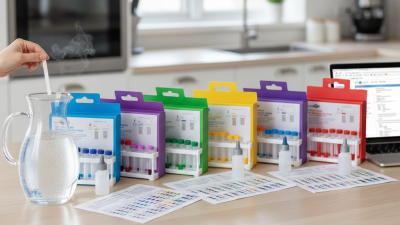
Water quality testing methods are essential for ensuring safe drinking water. There are various techniques available, each with its unique benefits. A common method is the use of colorimetric tests. These tests can quickly detect contaminants like chlorine and nitrates. A report from the Environmental Protection Agency highlights that improper chlorine levels can lead to health issues. Simple kits are available for basic testing, making them accessible to homeowners.
Another effective method is the use of electronic meters. These devices measure parameters like pH, turbidity, and total dissolved solids. Research shows that 25% of tap water in some urban areas exceeds safe pH levels. Meters provide immediate results, helping users make prompt decisions about water quality. However, they require calibration and careful handling.
Lastly, laboratory testing remains the gold standard for accuracy. This method involves collecting water samples and sending them for analysis. While it offers detailed insights, it can be time-consuming and costly. Results may take days to receive. Regular testing is essential, as water quality can change rapidly. Degradation can occur due to aging infrastructure or natural events. Thus, proactive monitoring is crucial for maintaining safe water standards.
Factors to Consider When Choosing a Testing Solution
When selecting a water quality testing solution, several factors demand careful consideration. You need to assess the specific contaminants you're concerned about. Different tests target different parameters such as pH, lead, and bacteria. Identify your requirements clearly to ensure you choose a solution that fits your needs.
Accuracy is another crucial element. Look for solutions backed by scientific research or industry standards. Users must be aware that some tests may be more reliable than others. It’s wise to read reviews or consult experts to understand the precision of various methods. Additionally, consider the ease of use. Complex devices might deter you from regular testing, while simpler ones could establish a routine.
Cost also plays a significant role in decision-making. Balance your budget with the quality of the solution. Inexpensive kits might seem attractive, but they could sacrifice reliability. Reflect on the long-term implications of your choice. Investing in a higher-quality solution may save you from potential health risks. Be prepared to prioritize your needs carefully, ensuring your selected testing solution provides accurate and dependable results.
Comparing Top Water Quality Testing Kits and Devices
When it comes to assessing water quality, several testing kits and devices stand out. Their efficiency varies based on what you need to measure. According to recent industry reports, about 60% of homeowners choose kits that test for pH levels, turbidity, and contaminants. These basic tests serve as a good starting point for understanding your water's safety.
For more comprehensive analysis, digital devices equip users with precise measurements. Some advanced models can identify harmful substances like lead and bacteria. The World Health Organization highlights that contaminated drinking water affects more than 2 billion people globally. Thus, using reliable testing kits can play a pivotal role in ensuring safe drinking water. In a recent survey, nearly 70% of users expressed dissatisfaction with the accuracy of certain kits. This dissatisfaction underlines the importance of researching product reviews and test results extensively.
While many devices claim to be user-friendly, not all deliver on that promise. Some require technical knowledge for interpretation. Simple is usually better. However, advanced users might seek detailed analysis for research or professional purposes. Balancing ease of use with accuracy is essential for making informed decisions on water quality.
Water Quality Testing Kits Comparison
Interpreting Water Quality Test Results Effectively
Understanding water quality test results is essential for any water consumer. When you conduct a water test, the results can seem daunting. They often contain various parameters such as pH, hardness, and contaminants. Each of these factors plays a significant role in your water’s safety and taste.
Take pH levels, for example. A pH below 7 indicates acidity, while above 7 shows alkalinity. Both extremes can affect plumbing and appliances. Meanwhile, hardness relates to the calcium and magnesium content in water. High hardness can lead to scaling and affect soap effectiveness.
Reflecting on results is crucial. Don’t just accept numbers at face value. Investigate what they mean for your specific situation. Are there high contaminant levels? What does that imply for your family's health? Seeking expert advice can clarify these interpretations. Always look for reliable sources of information to guide your understanding. With attention to detail, you can make informed decisions for your water safety.