China Top Water Testing Methods and Technologies for Quality Assurance?
Water quality is a critical aspect of public health, agriculture, and industry. In China, the importance of rigorous water testing cannot be overstated. With rapid industrialization and urbanization, pollution levels have risen sharply. Ensuring safe drinking water is vital for sustainability. The methods and technologies used for water testing play a significant role in maintaining these standards.
Advanced techniques in water testing have emerged in recent years. These include both traditional laboratory methods and modern, real-time monitoring technologies. Each approach presents unique strengths and challenges. Traditional methods can be time-consuming, while newer technologies often require significant investment. It is essential to balance accuracy with accessibility in these tools.
Despite advancements, gaps remain in water testing practices. Some areas still rely on outdated techniques that may not provide reliable results. Continuous education and updates on technology are necessary. As water quality issues continue to evolve, constant improvement in testing methods is essential. Understanding these dynamics is crucial for both regulators and consumers.
Overview of Water Quality Testing Methods in China
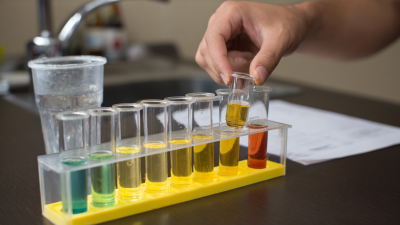
In China, water quality testing is crucial for health and safety. Local authorities implement various methods to ensure water meets safety standards. Traditional techniques include visual assessments and chemical tests. These methods can be simple yet effective for detecting general contaminants.
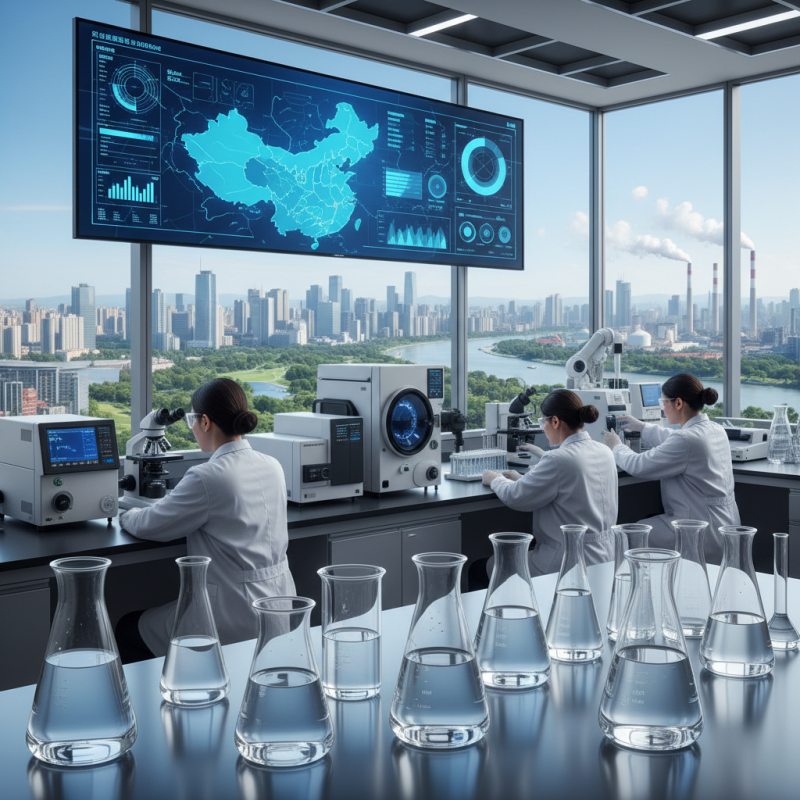
Advanced technologies have emerged in recent years. For instance, sensors and remote monitoring tools provide real-time data. These innovations allow for quicker responses to quality issues. However, they also require skilled personnel for operation and interpretation. Unfortunately, not all facilities have access to such expertise.
Despite the advancements, challenges remain. Some regions still rely on outdated practices. Limited resources can hinder effective testing processes. Awareness of water quality issues is growing, but public education is essential. Accurate testing is vital, yet ongoing improvement is necessary. Collaboration among government, education, and technology sectors could lead to better solutions.
Overview of Water Quality Testing Methods in China
Traditional Techniques for Water Quality Assessment
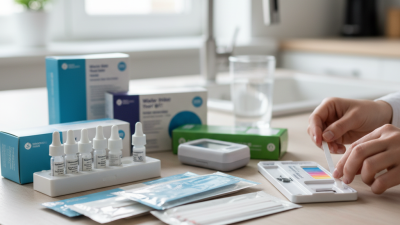
Water quality assessment is crucial for public health and environmental protection. Traditional techniques remain essential despite the rise of advanced technologies. Methods like chemical titration, turbidity measurement, and microbiological testing have stood the test of time. They are reliable and often used in rural areas where modern equipment may not be accessible.
A study from the World Health Organization indicates that 2.2 billion people lack access to safely managed drinking water. Traditional methods can be effective for on-site testing. Chemical indicators can determine pH, turbidity, and nutrient levels in water samples. While these methods may not always yield immediate results, they provide foundational data for further analysis.
However, these techniques also have their limitations. They may lack sensitivity in detecting emerging contaminants. A report by the American Water Works Association shows that traditional methods could miss 10–15% of certain pollutants. Relying solely on these techniques might undermine water safety efforts. Integrating traditional and modern methods appears necessary for comprehensive water quality assessments.
China Top Water Testing Methods and Technologies for Quality Assurance
| Testing Method |
Description |
Advantages |
Limitations |
| Colorimetric Analysis |
A method that uses color change to determine the concentration of chemical substances in water. |
Simple and quick; suitable for on-site testing. |
Accuracy can be affected by interference from other substances. |
| pH Testing |
Measures the acidity or alkalinity of water using pH meters or litmus paper. |
Quick response and easy to perform. |
Limited information on overall water quality. |
| Turbidity Measurement |
Assesses the clarity of water and the presence of suspended particles. |
Provides an indication of water cleanliness. |
Does not identify specific contaminants. |
| Biochemical Oxygen Demand (BOD) |
Measures the amount of oxygen consumed by microorganisms in water over a specific time. |
Indicates organic pollution levels. |
Time-consuming and requires laboratory setup. |
| Conductivity Testing |
Measures the water’s ability to conduct electricity, which correlates with the concentration of ions. |
Quick results; helpful in assessing salinity and dissolved solids. |
May not indicate specific pollution sources. |
Modern Technologies Used in Water Testing
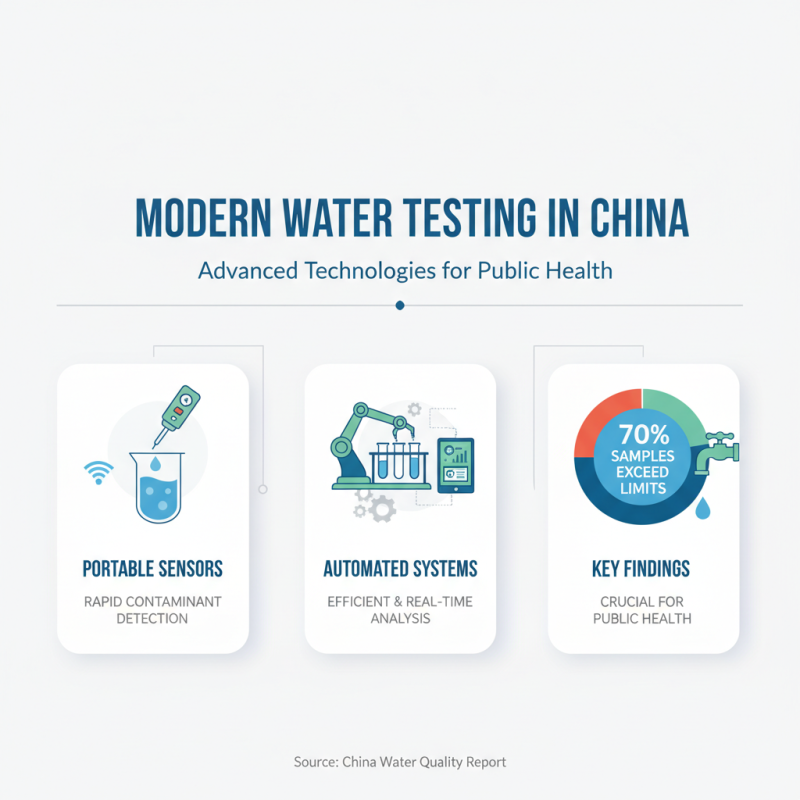
Water quality testing is crucial for public health. In China, advanced technologies are enhancing water testing methods. The use of portable sensors and automated systems allows rapid detection of contaminants. Reports indicate that up to 70% of water samples tested exceed safe limits.
Modern technologies, such as molecular techniques, provide precise results. They can identify pathogens at incredibly low concentrations. For example, polymerase chain reaction (PCR) methods improve sensitivity in detecting bacteria. Many laboratories now rely on these technologies to ensure compliance with regulations.
Tips: Regular calibration of testing devices is essential. This ensures accurate readings and reliable data. Always collect samples in clean containers to avoid contamination. Engaging trained personnel for testing can enhance the quality assurance process. Continuous training for staff can adapt to evolving test methods, ensuring expertise remains high.
Regulatory Standards and Quality Assurance Protocols
In recent years, the emphasis on water quality in China has led to the establishment of robust regulatory standards. The Ministry of Ecology and Environment (MEE) released a report indicating that over 90% of surface water quality now meets national standards. These standards are crucial for ensuring safe drinking water and protecting aquatic ecosystems. Quality assurance protocols require regular testing and comprehensive data analysis to maintain these levels, reflecting a commitment to public health.
Advanced technologies play a significant role in achieving compliance with these standards. For instance, the use of real-time monitoring systems enables quick detection of contaminants. However, despite these advancements, challenges remain. Many local testing facilities lack the resources for consistent quality assurance. An industry report from the China National Environmental Monitoring Center noted that nearly 25% of water quality tests in rural areas do not meet the rigor needed for reliable results. This gap calls for investments in infrastructure and training.
Moreover, the need for cooperation among various regulatory bodies adds complexity to the quality assurance landscape. Stakeholders must share information and best practices to enhance water safety. Balancing these regulatory demands with technological advancements is vital. The ongoing efforts represent significant strides, yet the commitment to continuous improvement and accountability remains essential for true water quality assurance in China.
Future Trends in Water Testing Technologies in China
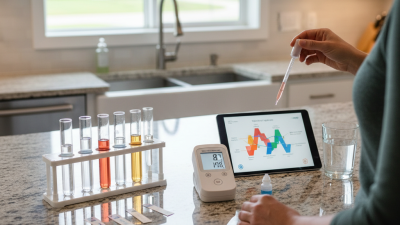
In recent years, China has witnessed remarkable advancements in water testing technologies. Cutting-edge methods are increasingly essential for ensuring water quality. The inclusion of IoT devices and smart sensors has transformed data collection. These technologies allow for real-time monitoring of water quality parameters, including pH levels, contaminants, and turbidity. People can access this information quickly through mobile applications.
Future trends indicate a potential shift towards artificial intelligence in water testing. AI algorithms can analyze data effectively and predict contamination risks. This can help in proactive measures to address water quality issues. However, challenges remain, such as the integration of these technologies into existing systems. Not all regions are equally equipped for this transition. It is vital for policymakers to promote infrastructure development alongside technology adoption.
While progress is evident, there are still hurdles in accuracy and reliability. Some sensors may provide inconsistent readings under varying environmental conditions. Regular calibration and maintenance of equipment is crucial to ensure reliable data. Without a solid framework for these technologies, achieving quality assurance in water testing might be compromised. Continued investment in research and development will be key as China strives for safer drinking water.