Why is Water Testing Essential for Your Business Success?
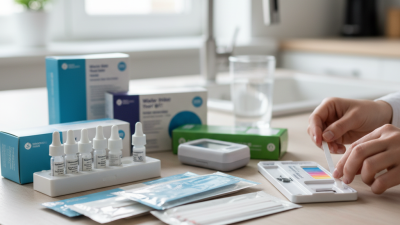
Water testing is a crucial aspect of ensuring your business's long-term success. It involves analyzing water quality for contaminants and safety. Businesses that rely on water, like food services and manufacturing, must meet strict regulations. Water testing safeguards health, ensures compliance, and protects your brand’s reputation.
Ignoring water quality can lead to dire consequences. Contaminated water can cause health risks and legal issues. Businesses could face costly fines and loss of customer trust. Effective water testing prevents these challenges and promotes a safer environment. Integrating regular water testing into your operations demonstrates commitment to quality.
Moreover, consistent water testing offers insights into your water supply. It helps identify potential coverage issues and areas for improvement. A proactive approach positions your business as a leader in safety and quality. In a competitive market, prioritizing water testing is not just smart; it’s essential.

Importance of Water Quality in Business Operations
Water quality plays a crucial role in business operations across various industries. According to the World Health Organization, contaminated water can lead to severe health issues, impacting productivity and increasing healthcare costs. In fact, businesses that fail to ensure water quality may experience up to a 25% drop in workforce productivity. This highlights the importance of regular water testing to maintain health standards and enhance operational efficiency.
Regular water testing not only safeguards employee health but also prevents equipment damage. For example, in manufacturing, water quality affects processes and machinery. Poor water quality can lead to corrosion and scaling, resulting in expensive repairs. Research indicates that improper water treatment costs industries billions each year. Investing in water testing can save costs in the long run.
Ensure you test water regularly. This is essential for maintaining standards. Evaluate the testing frequency based on your industry needs. Develop a comprehensive water management plan. Keep records to track changes over time. All these steps can improve water quality and highlight areas needing attention. Always seek professional guidance for accurate assessments and solutions.
Potential Health Risks from Contaminated Water Sources
Contaminated water can pose significant health risks that affect both employees and customers. According to the World Health Organization, approximately 2 billion people rely on unsafe drinking water. This can lead to serious illnesses, including gastrointestinal infections and neurological disorders. Businesses using contaminated water can face dire consequences. Employee absenteeism may rise, legal issues may surface, and reputational damage may follow.
Regular water testing is essential to mitigate these risks. The U.S. Environmental Protection Agency states that more than 80% of water testing failures are due to microbial contaminants. These contaminants can originate from natural sources or human activities, often unnoticed until it’s too late. A proactive testing approach is crucial in identifying potential contaminants and ensuring compliance with safety regulations.
Ignoring water quality can lead to costly ramifications. In a recent report, businesses spending on quality testing and preventive measures saw a significant return on investment. They reduced health-related costs and improved customer trust. Reliable water testing not only protects health but also enhances business integrity. Investing in water safety is not just a regulatory requirement; it’s a cornerstone of successful operations.
Water Contamination Risks and Their Impact on Business
Regulatory Compliance and Legal Implications of Water Testing
Water testing is crucial for businesses that rely on water for operations. Regulatory compliance is a primary reason for this necessity. In the United States, 85% of water systems are subject to strict regulations set by the Environmental Protection Agency (EPA). Non-compliance can result in severe penalties, including fines and legal action. For many industries, failing to meet water quality standards can lead to shutdowns or lawsuits.
Businesses must ensure that their water quality meets safety standards. The Safe Drinking Water Act (SDWA) mandates regular testing to safeguard public health. Reports indicate that 40% of small businesses fail due to legal issues, including those related to non-compliance with water safety regulations. Such consequences highlight the importance of maintaining a testing regimen.
Regular testing improves credibility and builds trust with clients. Keeping accurate records of water quality can demonstrate compliance during inspections. It’s essential to choose accredited laboratories for testing. This ensures the accuracy needed for regulatory submissions. Don’t overlook the significance of timely reporting; delays can result in compliance breaches.
Implement a routine schedule for water testing, especially if you provide water for consumption. Utilize data from industry standards to guide your testing practices. If your business involves food production, testing should be more frequent due to the higher risk of contamination. Remember, quality water benefits not only compliance but overall business reputation.
Enhancing Brand Reputation through Water Quality Assurance
Water quality plays a crucial role in shaping a brand's reputation. Businesses that prioritize water testing can avoid potential disasters. According to the Water Quality Association, nearly 50% of consumers are influenced by information regarding water quality when making purchasing decisions. This statistic highlights how water safety can affect customer trust and brand loyalty.
Implementing regular water testing ensures compliance with safety standards. The Environmental Protection Agency reports that one in ten Americans consumes water from a source that may violate health-based standards. For businesses, this is a ticking time bomb. A contamination scare can damage credibility overnight, causing long-term consequences. Brands should proactively test water to identify potential issues before they escalate.
In addition to protecting reputation, consistent testing reflects a commitment to quality. It demonstrates to customers that a business values their health and well-being. According to a study published in the Journal of Water and Health, 70% of consumers are willing to pay more for products from companies that ensure safe water practices. Businesses can enhance their market position simply by prioritizing water quality. Investing in water testing is an investment in brand integrity and customer confidence.
Financial Impacts of Poor Water Quality on Business Sustainability
Water quality significantly impacts business sustainability. Poor water can lead to financial losses and health risks. According to the World Health Organization (WHO), contaminated water contributes to 3.4 million deaths annually. This emphasizes the need for businesses to prioritize water testing as a critical operational component.
Businesses may face costly consequences when using poor water quality. The costs of repairs and compliance with health regulations can add up quickly. A report by the Environmental Protection Agency (EPA) found that companies can lose up to 20% of their revenue due to water-related issues. Furthermore, customer trust issues can arise if water quality is compromised. Addressing these challenges early is essential.
Consider testing your water regularly. Measure key parameters like pH, turbidity, and contaminants. Regular audits can help identify quality issues before they escalate. Maintain records of all test results for transparency. Educate your employees about the importance of water quality. Engaging them creates a culture of accountability that enhances business resilience.