2026 How to Choose the Best Water Quality Test Kit?
Choosing the right water quality test kit is crucial for ensuring safe drinking water. With various options available, it can be overwhelming. Understanding how these kits work and what they measure is essential for informed decisions.
Water quality test kits come in different types and price ranges. Some are designed for home use, while others are for professional testing. It is important to know what contaminants you want to test for. Common parameters include pH, chlorine, and heavy metals. A focus on these specifics enhances the kit’s effectiveness.
Many users find it challenging to interpret test results clearly. Misunderstandings can lead to unnecessary concerns or complacency. Therefore, selecting a kit with clear instructions and reliable accuracy is important. Reflecting on user reviews can also provide insight into the kit’s performance. Overall, investing time in your choice can lead to better water safety.
Understanding Water Quality: Key Parameters to Test
Understanding water quality is crucial for health and safety. Key parameters to test include pH, turbidity, and microbial contamination. pH affects taste and the solubility of minerals. A neutral pH of around 7 is ideal. Regular testing can prevent acidic water that damages plumbing or alkaline water that tastes unpalatable. Research shows that nearly 30% of U.S. households may have unfit drinking water due to pH issues.
Turbidity measures water clarity. High turbidity can indicate the presence of harmful microorganisms. For instance, a 2022 report from the Environmental Protection Agency states that over 12 million people in the U.S. are at risk of drinking water with unsafe turbidity levels. Testing for E. coli and other pathogens is vital for ensuring safety. It’s often overlooked but essential for protecting public health.
Chemical contaminants like lead and nitrates are also critical to monitor. About 10% of private wells contain elevated levels of nitrates, according to the U.S. Geological Survey. Lead can leach into water from aging pipes and poses serious health risks. Consistent monitoring combined with these tests can help detect problems early. Investing time in understanding these factors is necessary for safe water consumption.
Types of Water Quality Test Kits: Pros and Cons
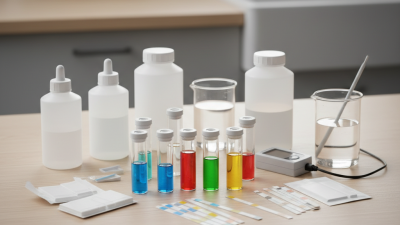
When selecting a water quality test kit, understanding the types available is crucial. The two main categories are chemical test kits and electronic testers.
Chemical kits use reagents to determine levels of contaminants like chlorine, pH, and nitrates. These are affordable and simple to use. However, they can be prone to human error during the testing process. According to a study by the American Water Works Association, up to 30% of measurements can be inaccurate due to improper handling.
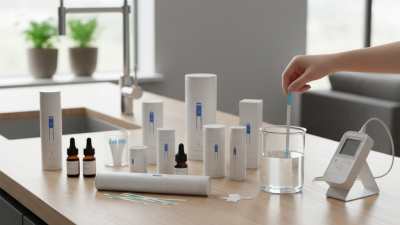
Electronic testers, such as digital pH meters and conductivity meters, provide accurate results quickly. They are more reliable for precision testing, especially in professional settings. However, they often require calibration and maintenance. Some users might find them intimidating or complicated to operate.
When choosing a kit, consider your needs. A chemical kit might suffice for routine home testing. For in-depth analysis, an electronic option may be better. Remember to check the expiration dates on reagents. They can significantly affect accuracy. Also, while you might be tempted to purchase the cheapest option, investing in quality can save money long-term. Regular testing is essential to ensure safe drinking water.
Factors to Consider When Choosing a Test Kit: Accuracy and Ease of Use
Choosing the right water quality test kit involves considering its accuracy and ease of use. These two factors are fundamental for effective testing. Accurate results are crucial; they ensure that you are properly assessing your water quality. A kit with a high precision level can make the difference between safe drinking water and harmful substances. Users should look for kits that utilize advanced technology, like photometers or digital meters.
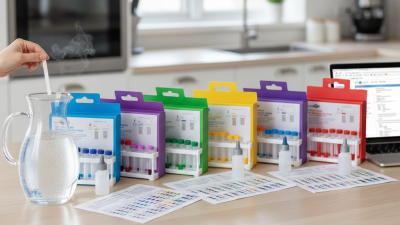
When it comes to ease of use, complexity can deter regular testing. A user-friendly kit with clear instructions is essential. Look for color-coded charts and simple testing procedures. This reduces the chances for errors and makes frequent testing more manageable.
Testing water quality doesn't have to be overwhelming. Make sure to read user reviews; they can reveal practical insights. Try to perform tests in different circumstances. For instance, test during heavy rainfall and after prolonged dry spells to gauge variations. Consistent practice helps in understanding trends and potential problems in the water supply. Regularly inspecting and reflecting on your water quality ensures you maintain a safe environment.
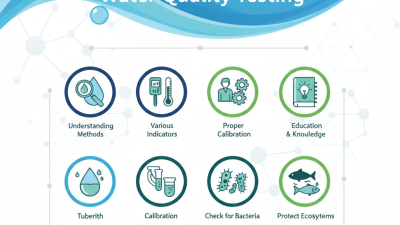
Water Quality Test Kit Evaluation Factors
This chart illustrates the key factors to consider when selecting a water quality test kit, rated based on their importance. Accuracy is deemed the most crucial factor, followed by ease of use and cost considerations.
Comparative Analysis of Top Water Quality Test Kits on the Market
When selecting a water quality test kit, it's crucial to consider your specific needs. Different kits test for various parameters, such as pH, chlorine, heavy metals, and bacteria. Knowing what you want to measure can save time and reduce confusion. Some kits excel in detecting specific contaminants, while others offer broad-spectrum testing.
Comparing features can help narrow your options. Look for kits that provide easy-to-read results. Color comparison charts are often effective. Some advanced kits offer digital displays and smartphone connectivity, enhancing usability. However, digital kits might complicate the process for those who prefer simplicity. An important aspect is the accuracy of the tests. Some kits may yield misleading results, requiring additional verification.
Lastly, consider the cost-effectiveness of the kit. A cheaper option might not provide reliable data, while expensive kits may exceed your needs. Balancing cost and reliability is key. Reflect on your past experiences with water testing methods. What worked? What didn't? This reflection will guide you in making an informed choice, ensuring that your water quality remains at its best.
Cost-Effectiveness of Home Testing vs. Professional Laboratory Testing
When evaluating water quality, the cost-effectiveness of home testing versus professional laboratory testing becomes a crucial factor. Home test kits are generally less expensive and offer immediate results. They allow users to monitor their water quality regularly without high fees. However, these kits may lack precision. Some tests may overlook certain contaminants, potentially providing false reassurance.
Professional laboratory testing offers more comprehensive analysis. It often identifies a wider range of pollutants and delivers higher accuracy. However, the cost can be prohibitive for regular testing. A single test can exceed the price of multiple home kits. Users may find themselves in a dilemma—spending too much for thoroughness or risking health with less effective home tests.
Balancing these options is essential. The choice ultimately depends on the specific needs and resources available. Home kits can be a good first step for basic testing. Those in areas with known contamination should consider professional analysis for peace of mind. Understanding these trade-offs can guide informed decisions for maintaining safe drinking water.