
In recent years, the chlorine dioxide formula has gained attention for its disinfecting properties. This powerful solution effectively eliminates bacteria, viruses, and pathogens on various surfaces. Many industries have begun to incorporate this formula into their cleaning protocols, particularly in healthcare settings and food processing.
Despite its effectiveness, using the chlorine dioxide formula requires caution and understanding. It's crucial to follow proper guidelines for dilution and application. Misuse can lead to safety concerns. Remember, effective disinfection is not just about applying a product; it's about understanding how it works.
Furthermore, the importance of regular training and information updates cannot be overstated. Users must be educated on safe practices and potential risks. As we explore how to optimize the use of the chlorine dioxide formula, we recognize the need for continuous reflection on our methods and outcomes. Proper application can ensure a clean and safe environment.
Chlorine dioxide is a powerful disinfectant known for its effectiveness against a wide range of pathogens. Unlike traditional chlorine, it does not create harmful by-products. It can eliminate bacteria, viruses, and fungi, making it a preferred choice for effective disinfection. Understanding its properties helps in harnessing its potential safely.
When using chlorine dioxide, it’s vital to maintain the right concentration for disinfection. A common mistake is using too little, which leads to ineffective results. Always measure accurately. Ensure good ventilation when applying the solution. This reduces inhalation risks and improves safety.
Tips: Always wear protective gear. This includes gloves and masks. Avoid mixing with other chemicals. This can create dangerous reactions. Check surfaces for compatibility before application. Some materials may be sensitive to chlorine dioxide.
Chlorine dioxide is gaining attention in various industries for its disinfection capabilities. In healthcare, it helps eliminate pathogens effectively. Hospitals use it to disinfect surfaces and equipment, reducing infection rates. It's vital in sanitizing areas prone to bacteria and viruses. The gas form penetrates hard-to-reach areas, ensuring thorough disinfection.
In the food industry, chlorine dioxide plays a key role. It is used to sanitize fruits and vegetables. This process extends shelf life and maintains food safety. However, the application must be controlled carefully. Overuse can leave undesirable residues. Food processors must balance effectiveness and safety.
Water treatment is another promising area. Chlorine dioxide purifies drinking water by killing harmful microorganisms. It is effective against biofilms in pipelines. Yet, monitoring its concentration is crucial. High levels can be harmful. Continuous research is necessary to optimize its use in disinfection while ensuring safety.
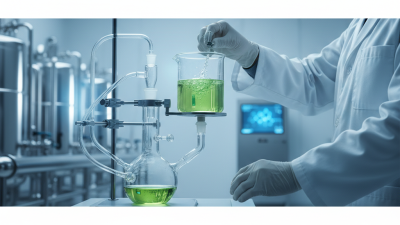
Chlorine dioxide is a powerful disinfectant. It is used widely in various sectors, including healthcare and food processing. Preparing chlorine dioxide solutions requires careful planning and adherence to safety protocols. This ensures that the solution is effective while minimizing risks.
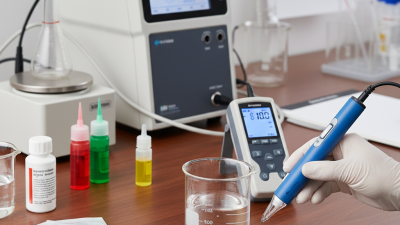
To prepare a chlorine dioxide solution, gather necessary materials: water, a measuring container, and sodium chlorite. Always wear proper protective gear, including gloves and goggles. The recommended ratio for a standard disinfecting solution is 0.5% chlorine dioxide, which is effective in killing bacteria and viruses, as confirmed by recent studies from the Centers for Disease Control and Prevention (CDC). Mix the solution in a well-ventilated area to prevent inhalation of harmful fumes.
When using chlorine dioxide, remember to test the solution on a small surface area first. This helps identify any adverse reactions with materials. Allow the solution to sit on surfaces for at least 10 minutes for proper disinfection. The effectiveness of chlorine dioxide diminishes over time. Thus, it's crucial to prepare fresh solutions as needed. Monitor the environment and ensure the area is free from unnecessary exposures, as high concentrations can lead to respiratory irritation.
Safety should always come first. Always store unused solutions away from heat and sunlight. Proper disposal methods are equally important. Follow local regulations when disposing of any leftover chemicals. This method not only ensures safety for you but also complies with environmental guidelines.
Chlorine dioxide (ClO2) is an effective disinfectant for various surfaces and environments. Used widely in water treatment, it can eliminate bacteria, pathogens, and viruses. A recent industry report highlights that ClO2 can achieve up to a 99.9% reduction in microorganisms. Its gas form penetrates hard-to-reach areas, making it ideal for comprehensive disinfection.
When applying chlorine dioxide, proper concentration and application techniques matter. Diluting ClO2 to the recommended levels is critical. Use it at concentrations of 0.1% to 0.3%, depending on the contamination level. Spraying offers an even application, while contact time with surfaces should be at least 10 minutes for optimal results.
Before using chlorine dioxide, ensure adequate ventilation. This limits inhalation risks and fosters safer use of the compound. Monitor and maintain application areas for the effectiveness of disinfection. Regular testing of surfaces and air quality can ensure the safety and health of the environment.
Consider using ClO2 in a controlled manner to assess its performance continually. Frequent reassessment improves overall effectiveness. It’s essential to balance efficacy with safety. Adjusting application methods based on outcomes will lead to better disinfection practices over time.
When using chlorine dioxide for disinfection, safety precautions are paramount. This compound, while effective, poses potential hazards. Always wear protective gear, including gloves and goggles. Ensure proper ventilation in the area where it is used. Exposure can cause respiratory irritation, so avoid inhaling fumes.
Regulations around chlorine dioxide usage vary widely. It is essential to check local laws before using it. In many countries, it is regulated as a hazardous substance. Misuse can lead to severe penalties. Familiarize yourself with guidelines set by relevant health organizations. Proper training is vital for anyone handling chlorine dioxide to prevent accidents.
Awareness of correct dosages is crucial. Overuse can not only endanger health but also reduce disinfection effectiveness. Regularly review safety protocols and assess your understanding of the substance. Maintaining open communication about safety practices within your team can prevent mishaps. Reflect on past experiences to improve future applications.