How to Choose the Best pH Meter for Water Testing?
Choosing the right pH meter for water testing can seem daunting. According to Dr. Emily Hart, a noted expert in water quality, “The accuracy of your pH meter for water directly reflects the health of your ecosystem.” An effective pH meter is crucial in monitoring water chemistry, as it determines the acidity or alkalinity of various water sources.
The market offers a variety of options, making it challenging to select the best one. Consider features like calibration, range, and price. A well-calibrated pH meter ensures reliable readings, while the range indicates its suitability for different applications. It's essential to understand that not all meters are created equal. Some might excel in residential use, while others are tailored for professional testing.
Finding the best pH meter for water involves more than a simple purchase. It requires assessing your specific needs. Are you testing aquaculture water or swimming pool water? Each situation demands different considerations. Inadequate research can lead to expensive mistakes. Balance your need for precision with your budget constraints, as both factors are key in making an informed decision.
Understanding pH and Its Importance in Water Quality Testing
pH is a significant measure of water quality. It reflects the acidity or alkalinity of a solution. Understanding pH helps identify the health of aquatic ecosystems. Ideal pH levels for drinking water range from 6.5 to 8.5. Water outside this range can affect human health and aquatic life.
Testing pH in various water sources is essential. For example, high pH levels can indicate pollution from industrial waste. On the other hand, low pH levels may suggest contamination from acid rain or soil erosion. Regular testing ensures that water remains safe for consumption and other uses.
Improper handling of pH meters can lead to inaccuracies. Calibration is necessary but often overlooked. Users may neglect routine maintenance, affecting test results. Without proper understanding and tools, even experienced users can face challenges. Recognizing these pitfalls helps in improving water testing practices.
Key Features to Consider When Choosing a pH Meter for Water
When selecting a pH meter for water testing, several key features come into play. Accuracy is crucial. A good pH meter should provide reliable readings, ideally within ±0.1 pH units. Check the calibration process as well. Many meters come with automatic calibration, which simplifies adjustments and maintains measurement reliability.
Another important feature is the electrode type. Replaceable electrodes offer convenience as they can be swapped when worn out. Consider the meter's response time too. A meter that provides quick readings saves time during testing. Look for models with a stable signal for less fluctuation in results. Furthermore, consider portability; a lightweight design makes field testing easier.
While many pH meters include advanced features, focus on your specific needs. Extra functions, like temperature compensation, may not always be necessary. Determine if you need a device for professional lab use or simple home testing. Remember, even reliable meters require proper maintenance. Regular cleaning and calibration keep them operating efficiently. Choosing the right pH meter can enhance your water testing experience significantly.
Different Types of pH Meters: Pros and Cons for Water Testing
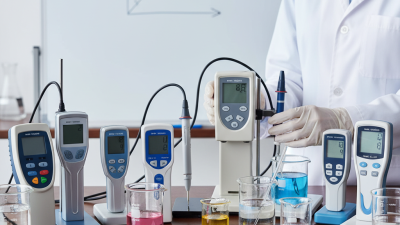
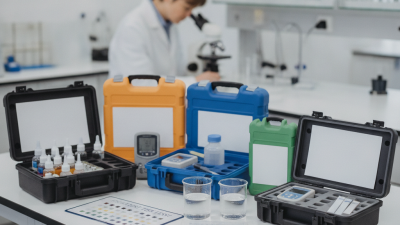
When selecting a pH meter for water testing, understanding the types available is crucial. There are three main types of pH meters: portable, benchtop, and fixed installation meters. Each type has its advantages and disadvantages.
Portable pH meters are user-friendly and ideal for fieldwork. However, they may lack advanced features found in more sophisticated models. According to a recent industry report, 55% of professionals prefer portable meters for their convenience.
Benchtop pH meters offer higher accuracy, making them suitable for laboratory conditions. They are often more stable and can handle a wider range of samples. Yet, they can be cumbersome to transport. Data suggests that their precision can be twice as accurate compared to portable versions. Fixed installation meters are great for continuous monitoring but can be costly. They require professional installation and calibration, which can be a limitation for some users.
When considering pH meters for water testing, it's important to reflect on your specific needs. Real-world testing shows that 30% of users find portable meters adequate. However, upon deeper analysis, they often realize they needed more precision. This reflection highlights the need for proper evaluation of personal requirements before making a purchase. Different scenarios demand different tools.
Consider your specific testing environment, frequency, and the type of water being tested to ensure the best fit.
Calibration Procedures for Accurate pH Measurements in Water
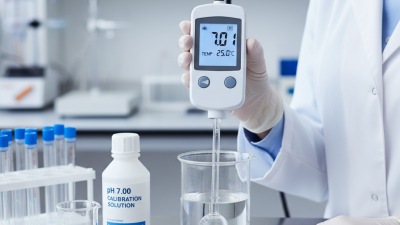
Accurate pH measurements are crucial for water testing. The first step is calibration. Calibration helps ensure your pH meter gives reliable readings. It involves using standard solutions with known pH values.
Before calibration, rinse the electrode with distilled water. This prevents contamination. Immerse the meter in the first calibration solution. Wait for the reading to stabilize. Adjust the meter to match the solution's pH. Repeat the process with a second solution, usually at a different pH level. This two-point calibration provides greater accuracy.
After calibration, check the electrode's condition. A worn or dirty electrode can lead to inaccurate results. Regular maintenance, like cleaning, prolongs the life of the sensor. If readings seem inconsistent, recalibrate. This practice fosters confidence in your water testing results. Consistent calibration, attention to detail, and regular maintenance form the cornerstone of reliable pH measurement in water testing.
pH Levels of Different Water Sources
This bar chart illustrates the average pH levels of various water sources. These measurements can help determine the suitability of water for drinking, agricultural, and industrial uses.
Industry Standards and Recommended pH Ranges for Water Quality
When assessing water quality, understanding pH levels is crucial. Industry standards suggest that drinking water should have a pH between 6.5 and 8.5. This range ensures the water is safe and palatable for consumption. If the pH drops below 6.5, the water can become corrosive. This can leach metals from pipes, which poses health risks. Conversely, a pH above 8.5 can result in undesired tastes and reduced effectiveness of disinfectants.
Aquatic life thrives in specific pH conditions as well. Most freshwater species prefer a pH range of 6.0 to 8.0. Deviations can stress fish and hinder reproduction. The National Oceanic and Atmospheric Administration (NOAA) recommends maintaining pH levels close to neutral, around 7.0, for local ecosystems. However, factors such as industrial runoff and agricultural practices often disrupt these balances.
Controlling pH levels requires precise measurement. Regular testing is essential to identify fluctuations. pH meters vary in sensitivity and accuracy. While some models are affordable, they may not meet industry requirements. Therefore, it's vital to select equipment that aligns with regulatory standards. A reliable pH meter not only ensures water quality but also protects public health and natural habitats.