How to Achieve Effective Boiler Water Treatment Solutions?
Effective boiler water treatment is crucial for optimal system performance. Proper treatment methods enhance efficiency and extend the lifespan of your equipment. Unfortunately, many facilities overlook the importance of boiler water quality. This oversight can lead to costly repairs and downtimes.
Understanding the elements of boiler water treatment is essential. Contaminants and scaling can wreak havoc on a boiler system. Regular monitoring of chemical levels ensures that the water remains within acceptable parameters. Experience shows that preventive measures can save time and resources in the long run.
Incorporating effective boiler water treatment solutions requires expertise. Engaging with experienced professionals can help tailor strategies to specific systems. Reliable solutions not only protect your investment but also contribute to energy savings. Reflecting on current practices often reveals areas for improvement, leading to more efficient operations.
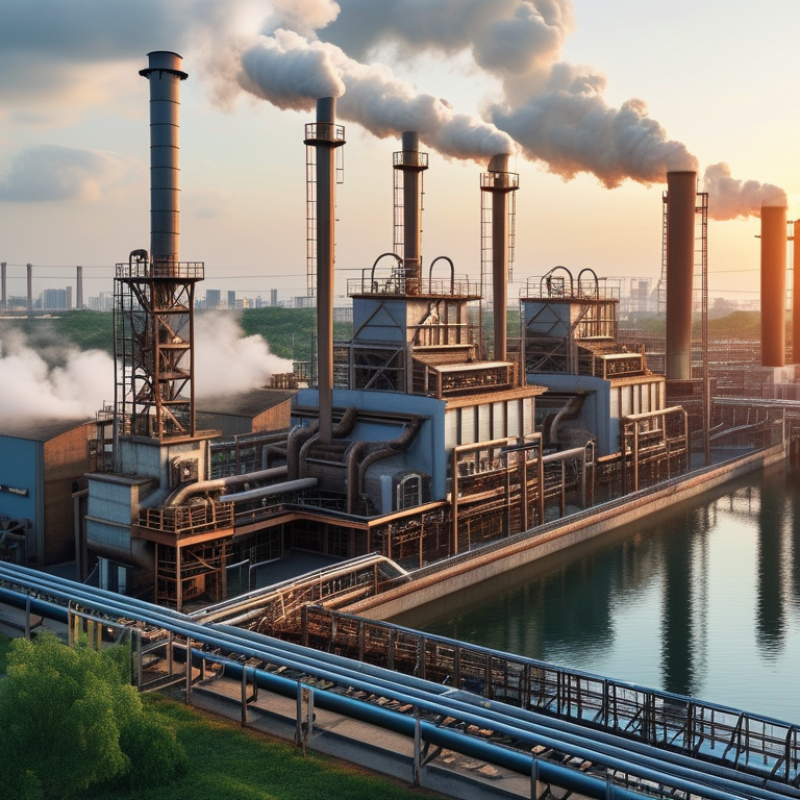
Understanding the Importance of Boiler Water Treatment
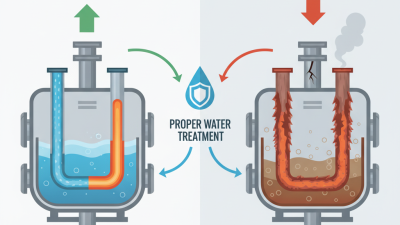
Boiler water treatment is crucial for the efficiency and longevity of boiler systems. Contaminants like minerals and debris can accumulate over time. This leads to scale buildup and corrosion. Such issues not only decrease efficiency but also increase maintenance costs. Effective treatment starts with understanding the specific water source and its characteristics.
Proper testing and monitoring are essential steps. Regular analysis helps identify harmful substances. These can include dissolved solids or oxygen, which may cause rusting. By implementing an appropriate treatment method, you can mitigate these risks. Options include chemical treatments or physical processes. Each method has advantages and drawbacks, so careful consideration is necessary.
Experts stress that training staff in water management is key. Having knowledgeable personnel ensures effective monitoring. Their experience is invaluable in fine-tuning treatment plans. However, even with the best practices, unexpected challenges can arise. Continuous evaluation and adjustment of treatment strategies are important for sustaining boiler performance. Emphasizing reliability in water treatment fuels long-term operational success.
Identifying Common Boiler Water Issues and Their Effects
Boiler water treatments are crucial for maintaining efficiency and longevity. However, many boiler systems face common water issues. These problems can severely affect performance and increase operational costs. Understanding these issues is essential for proper treatment solutions.
Scale buildup is a significant concern in boiler operations. It occurs when minerals precipitate out of the water, coating heat exchange surfaces. This reduces heat transfer efficiency and increases fuel consumption. Another common issue is corrosion. Water with high oxygen content can attack metal parts, causing leaks and failures. Regular chemical testing can help identify these problems early on.
Treatment procedures may seem straightforward, but they often require adjustment and reconsideration. For example, over-saturation of chemicals can lead to foaming, which disrupts the steam production process. Operators must continuously monitor and adjust their approach based on water quality. It is vital to stay informed about changes in water chemistry and external factors, as even minor variations can have a notable impact.
Common Boiler Water Issues and Their Effects
This bar chart illustrates some of the most common boiler water issues and their corresponding effects on boiler efficiency and longevity.
Key Components of an Effective Boiler Water Treatment Program
An effective boiler water treatment program is crucial for maintaining operational efficiency. Key components focus on water quality, chemical treatment, and monitoring practices. According to industry reports, improper water treatment can lead to up to 35% efficiency loss in boilers. This not only increases energy costs but can also significantly reduce equipment lifespan.
Regular testing of water quality is essential. Factors like pH, hardness, and conductivity directly impact scale formation and corrosion. Many facilities overlook the importance of consistent monitoring. Testing should occur monthly at a minimum. Implementing real-time monitoring systems can enhance accuracy. This allows for quick adjustments to treatment plans, promoting optimal performance.
Tip: Always keep records of water chemistry and treatment interventions. These documents assist in identifying trends and areas needing improvement.
Chemical additives play a vital role in preventing issues like scale and corrosion. Corrosion-inhibiting compounds are especially critical in achieving long-term boiler health. However, there’s a tendency to over-treat, which can lead to chemical imbalances. This reminds us that more is not always better. Regular assessments and staff training can mitigate this risk.
Tip: Conduct training for your team on proper chemical handling and monitoring techniques to enhance reliability.
How to Achieve Effective Boiler Water Treatment Solutions? - Key Components of an Effective Boiler Water Treatment Program
| Component |
Description |
Importance |
Frequency of Monitoring |
| Water Quality Analysis |
Testing for pH, alkalinity, salts, and hardness levels. |
Ensures optimal water conditions to prevent corrosion and scale. |
Daily |
| Chemical Treatment |
Use of specific chemicals to control scale, corrosion, and biological growth. |
Directly impacts efficiency and lifespan of the boiler. |
Weekly |
| Blowdown Procedures |
Regularly removing a portion of accumulated water from the boiler. |
Reduces concentration of harmful substances. |
Daily / Weekly |
| Monitoring of Feedwater |
Assessment of the water entering the boiler for quality and treatment needs. |
Critical for maintaining overall system health. |
Daily |
| System Inspection |
Regular physical checks of boiler components and piping. |
Identifies early signs of wear or malfunction. |
Monthly |
Implementing Best Practices for Boiler Water Quality Management
Effective boiler water treatment is crucial for operational efficiency. Following best practices for water quality management can enhance the lifespan of systems. According to the National Association of Corrosion Engineers, improper treatment can result in costs upward of $500 million annually. This highlights the need for meticulous monitoring and control.
Regular testing of water quality is vital. Parameters such as pH, conductivity, and alkalinity must be maintained within specific ranges. Deviations can lead to scaling or corrosion, risking system integrity. The American Society of Mechanical Engineers emphasizes that a well-designed treatment program can decrease blowdown water volume by up to 50%.
Incorporating automated monitoring technology can assist in maintaining optimal conditions. However, over-reliance on technology can sometimes mask underlying issues. Staff training is essential to identify these potential failures. Operators should remain vigilant and engaged. Developing a proactive maintenance culture makes a significant difference in long-term outcomes.
Monitoring and Adjusting Treatment Solutions for Optimal Performance
Effective boiler water treatment is essential for operational efficiency. Monitoring and adjusting treatment solutions is key to achieving optimal performance. Regular checks on water quality can prevent costly downtime. Use simple testing methods to track pH levels, hardness, and dissolved solids.
Adjusting chemical dosages is vital. Too much treatment can lead to system issues, while too little allows corrosion and scale buildup. Seasonal changes impact water properties. For example, colder months may increase condensation. This change requires a review of treatment protocols.
Documenting each adjustment is crucial. Create a clear record of water tests and chemical use. Patterns may emerge, guiding future decisions. Regular training sessions for staff can reinforce this practice. It's easy to overlook details but staying vigilant helps maintain system integrity.