
•  

Why Use a Water Hardness Test Kit?

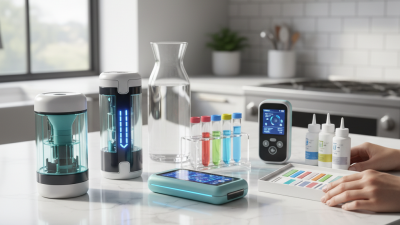
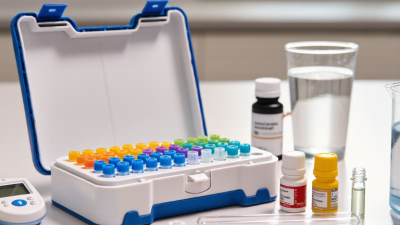
Hard water is easy to notice, but its cause is less obvious. White scale may appear around a kettle, showerhead, or faucet aerator. Soap may produce fewer bubbles, leaving skin feeling coated after rinsing. These signs often point to dissolved calcium and magnesium, but appearance alone cannot measure their concentration. A water hardness test kit provides a clearer starting point.

Testing can show hardness in parts per million, milligrams per liter, or grains per gallon. That information helps homeowners understand whether scaling may affect water heaters, coffee machines, plumbing fixtures, or laundry results. It can also support better decisions about filtration, softening, and maintenance. However, one test does not explain every water-quality concern. Hardness is different from pH, iron, chlorine, and microbial safety.

Use the kit carefully. Follow the manufacturer’s instructions, collect a clean sample, and record the date and location. Liquid titration kits may offer more precise results than basic strips, but only when used correctly. Comparing repeated readings can reveal seasonal changes or differences between tap sources. A local water utility report may provide useful confirmation, especially for municipal supplies.

The numbers need context. A result that seems high may still require professional interpretation before equipment is purchased. Treatment systems can be unnecessary, poorly adjusted, or expensive when selected from assumptions. That is an easy mistake. A water hardness test kit cannot replace certified laboratory testing for serious concerns, yet it remains a practical tool for informed household decisions. Reliable testing begins with curiosity, careful handling, and a willingness to question the first result.

Why Use a Water Hardness Test Kit?

What Water Hardness Measures: Calcium, Magnesium, and mg/L as CaCO₃

Why Use a Water Hardness Test Kit?

Water hardness mainly measures dissolved calcium and magnesium. These minerals enter water as it moves through limestone, chalk, or other rock. A test kit can show whether your water is soft, moderately hard, or very hard. This matters when you notice white scale on faucets, cloudy glassware, or soap that barely lathers.

Hardness is commonly reported in mg/L as CaCO₃. This unit does not mean the sample contains that exact amount of calcium carbonate. Instead, it expresses the combined hardness in a standard calcium carbonate equivalent. Calcium and magnesium contribute differently, but the result places them on one comparable scale. Testing instructions matter. Too much reagent, an unclean container, or an unclear color change can affect accuracy. The result is useful, but not perfect.

Tips: Collect a fresh sample after letting the tap run briefly. Follow the drop count carefully, and read the color in natural light. Repeat the test if the endpoint looks uncertain. Compare results from different days, especially after heavy rain or water-system changes. A hardness test does not detect bacteria, lead, or every dissolved substance. It only answers a narrower question. That limitation is easy to forget. For important treatment decisions, compare the kit result with a certified laboratory report.

How USGS Classifies Water: Soft Below 60 mg/L and Very Hard Above 180

Why Use a Water Hardness Test Kit?

A water hardness test kit helps translate invisible minerals into useful information. The USGS classifies water below 60 mg/L as soft, measured as calcium carbonate. Water from 60 to 120 mg/L is moderately hard. Readings from 120 to 180 mg/L are hard, while values above 180 mg/L are very hard. These ranges make a test result easier to understand than a vague complaint about “bad” water.

Hard water can leave white scale around a kettle, showerhead, or faucet aerator. Soap may rinse poorly, and freshly washed glassware can look cloudy. A test kit can show whether these signs match the mineral level. Follow the instructions carefully, because drops, strips, and digital meters use different methods. Test cold tap water after letting it run briefly. Record the date and result.

Results deserve some caution. A single sample may not represent every tap in a building. Plumbing, seasonal changes, and local sources can affect readings. I once assumed visible scale meant extremely hard water, but testing showed only a hard classification. That changed my maintenance plan. Still, home kits are screening tools, not laboratory reports. If the number seems surprising, repeat the test and compare it with a local water-quality report. Very hard water above 180 mg/L may justify closer attention to scale buildup and appliance performance.

Why Use a Water Hardness Test Kit?

Water hardness is commonly reported as milligrams per liter (mg/L) of calcium carbonate (CaCO₃). A test kit helps identify where your water falls within the standard hardness categories.

The classification follows the U.S. Geological Survey (USGS): soft water is below 60 mg/L, moderately hard water is 61–120 mg/L, hard water is 121–180 mg/L, and very hard water is above 180 mg/L as CaCO₃. The very hard range is displayed to 240 mg/L only to keep the chart readable; it has no defined upper limit.

Why Hardness Testing Matters: Scale Risk Rises Above 120 mg/L as CaCO₃

Water hardness testing matters because dissolved calcium and magnesium can quietly become scale. A result above 120 mg/L as CaCO₃ signals increasing scale risk, especially in heated systems. Water may look clear, yet leave chalky deposits inside a kettle, showerhead, boiler, or coffee machine.

A reliable test kit helps reveal this hidden condition at the point of use. Fill the vial carefully, add the reagent drop by drop, and count every change. Record the result, date, and water source. Small testing errors can alter the reading, so clean equipment and consistent lighting matter. I have found that rushing the final color change often causes confusion.

The 120 mg/L threshold is useful, but it is not an absolute failure point. Temperature, pH, alkalinity, evaporation, and water flow also influence scale formation. A heating element may collect deposits faster than a cold-water pipe. Watch the pattern.

Test again after maintenance or seasonal water changes. Compare results over time, rather than trusting one measurement. A result near 120 mg/L deserves attention, while a much higher reading may require more frequent cleaning or treatment. The kit cannot explain every plumbing problem, either. That limitation matters.

Why Use a Water Hardness Test Kit? - Why Hardness Testing Matters: Scale Risk Rises Above 120 mg/L as CaCO₃

Water Hardness Dimension Typical Range or Value What the Result Means Why Testing Matters
Soft water 0–60 mg/L as CaCO₃ Low concentrations of dissolved calcium and magnesium. Usually has a lower mineral-scaling tendency, although corrosivity and low alkalinity may still require monitoring.
Moderately hard water 61–120 mg/L as CaCO₃ A noticeable mineral content is present. Testing helps establish a baseline before visible deposits, reduced heating efficiency, or soap-use problems develop.
Hard water 121–180 mg/L as CaCO₃ Hardness is above the commonly used 120 mg/L screening point. Scale risk generally increases, especially where water is heated, concentrated by evaporation, or has a high pH and alkalinity.
Very hard water More than 180 mg/L as CaCO₃ High calcium and magnesium content. Frequent testing can support treatment decisions and help detect changes that may accelerate limescale formation.
Scale-risk screening point Above 120 mg/L as CaCO₃ A practical warning level, not a universal guarantee that scale will form. The actual risk also depends on temperature, pH, alkalinity, flow rate, evaporation, and the saturation state of the water.
Calcium hardness Reported as mg/L as CaCO₃ The portion of total hardness primarily associated with dissolved calcium. Useful for evaluating calcium-carbonate scale potential in boilers, heaters, plumbing, and process equipment.
Magnesium hardness Reported as mg/L as CaCO₃ The portion of total hardness associated primarily with dissolved magnesium. Helps explain total hardness results and supports more accurate water-treatment decisions.
Common test method EDTA titration or color-change test A measured water sample is tested until a defined color endpoint is reached. A field kit provides a quick, repeatable way to check hardness without waiting for laboratory results.
Reporting unit mg/L as CaCO₃ For dilute water, 1 mg/L is approximately equal to 1 ppm. Using one standard unit makes results easier to compare with treatment guidelines and historical readings.
Recommended testing pattern Baseline test, then periodic or event-based checks Frequency should reflect changes in the source, treatment system, season, and equipment load. Trend data can reveal treatment failure, source-water changes, or rising scale risk before equipment performance declines.
Practical action above 120 mg/L Confirm the result and review operating conditions Repeat the test using a fresh sample and follow the test-kit instructions carefully. Compare the result with temperature, pH, alkalinity, visible deposits, and equipment requirements before selecting softening or other treatment.
Interpretation note: Hardness categories are commonly used for screening and comparison. Hardness alone does not determine whether scale will form; temperature, pH, alkalinity, dissolved solids, concentration cycles, and water chemistry must also be considered.

How EDTA Titration Kits Measure Hardness Under EPA Method 130.2

Why Use a Water Hardness Test Kit?

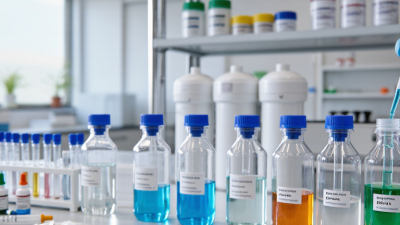
Water hardness testing reveals the concentration of dissolved calcium and magnesium. These minerals can leave white scale inside pipes, heaters, and laboratory glassware. An EDTA titration kit offers a practical way to measure total hardness using a recognized analytical approach.

EPA Method 130.2 uses complexometric titration with ethylenediaminetetraacetic acid, commonly called EDTA. In the test, a measured water sample receives a pH 10 buffer and a color indicator. EDTA binds calcium and magnesium ions in the sample. When the reaction reaches its endpoint, the solution changes from wine red to blue. The analyst then calculates hardness as milligrams per liter of calcium carbonate.

Small details matter. The sample volume must be accurate. Reagents require proper storage and preparation. Analysts should standardize the EDTA solution and run blanks or duplicate samples when quality control matters. A clean vessel also reduces avoidable uncertainty. The color endpoint is not perfectly objective. Turbid water can make the change difficult to judge. I have found that hurried readings create doubt, even when the arithmetic looks correct. Careful lighting and consistent technique improve repeatability, but they do not remove every limitation. Results should be recorded with the method, sample date, analyst observations, and any unusual color or interference.

How Test Results Guide Water-Softener and Treatment Decisions

Why Use a Water Hardness Test Kit?

A water-hardness test kit turns an invisible problem into a measurable one. Hardness mainly comes from dissolved calcium and magnesium. The USGS classifies water as moderately hard at 61–120 mg/L, hard at 121–180 mg/L, and very hard above 180 mg/L as calcium carbonate. These numbers matter when white scale appears on faucets, kettles, shower glass, or heating elements.

Test results guide treatment choices more reliably than guesswork. A result near 100 mg/L may justify monitoring, especially if scale is limited. Results above 180 mg/L often support a stronger case for softening, but household water use still matters. A family with a tank water heater may notice problems sooner than a household using little hot water. The result is not the whole story.

Retest it.

Use a fresh sample from a cold tap. Follow the kit’s timing and color endpoint carefully. I have seen readings change when the sample sat too long or the test strip stayed wet. For greater confidence, compare a home result with a certified laboratory analysis. The WHO Guidelines for Drinking-water Quality, 2022, report no health-based guideline value for hardness, so treatment decisions usually focus on scale, cleaning, plumbing protection, and personal preference. Sodium, iron, pH, and alkalinity should also be checked before selecting equipment. A softener sized only from hardness can be poorly matched to real demand. The numbers deserve a second look.