Why Do You Need a Water Test Kit for Safe Drinking Water?
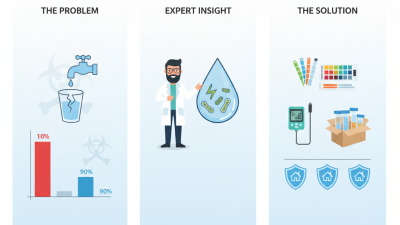
Access to clean drinking water is a fundamental necessity for health and well-being. However, many people overlook the potential contaminants that may lurk in their tap water. This is where a water test kit becomes essential. It serves as a reliable tool for identifying harmful substances in your drinking water.
Using a water test kit can reveal unsettling truths. You might find elevated levels of lead, bacteria, or other chemicals. These can lead to serious health issues if consumed long-term. It’s alarming how many households remain unaware of these dangers. Testing your water provides peace of mind. It allows you to take action, protecting yourself and your family.
Regular testing can uncover gradual changes in water quality. Contaminants can enter your water supply over time, often without noticeable symptoms. A water test kit empowers you with knowledge. You can respond to potential threats proactively. Don't wait for symptoms to appear. Make informed decisions about your drinking water today.
Understanding the Importance of Safe Drinking Water
Safe drinking water is essential for health. According to the World Health Organization (WHO), over two billion people lack access to clean water sources. This statistic underlines the urgency of ensuring water safety. Contaminated water can lead to various health issues, including gastrointestinal diseases and reproductive problems. Regular water testing helps identify harmful pollutants like lead, nitrates, and bacteria that could disrupt our well-being.
Testing is not just for communities; households must also take action. A NSF International report states that nearly 60% of private wells in the U.S. contain harmful levels of contaminants. This indicates a critical need for individuals to understand their water quality. It’s often overlooked, but many assume tap water is safe without testing. Regular checks can prevent health crises, especially in vulnerable populations like children and the elderly.
Access to safe drinking water is a global challenge. The lack of awareness about water quality can lead to dangerous consequences. People must take the initiative to test their drinking water. By doing so, they can uncover potential hazards before they become serious health threats. A proactive approach safeguards personal health and contributes to community well-being.
Common Contaminants Found in Drinking Water
Access to clean drinking water is vital for health. Many people don’t realize how vulnerable their water supplies can be. Contaminants can come from various sources, including agricultural runoff and aging infrastructure. Regular testing can reveal hidden dangers.
Common contaminants include lead, bacteria, and pesticides. Lead can leach from old pipes, posing serious health risks. Bacteria may originate from sewage leaks, raising concerns for families. Pesticides, often used in farming, can seep into groundwater. Each of these pollutants carries its own dangers, needing careful monitoring.
A water test kit provides peace of mind. It helps families ensure their water is safe to drink. Many think their water is safe, but contaminants can go undetected. Testing illuminates problems that might otherwise remain hidden. Knowledge empowers individuals to take action, ensuring better health for all.
How Water Test Kits Work: A Step-by-Step Guide
Water testing kits are essential for ensuring safe drinking water. They allow individuals to assess their water quality by detecting contaminants. Here's a step-by-step look at how these kits work.
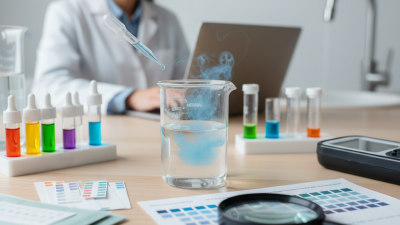
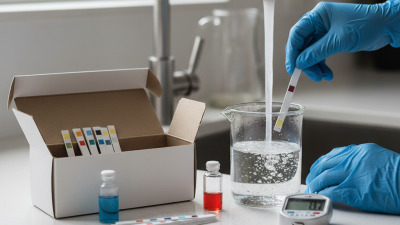
Begin by collecting a water sample in a clean container. Ensure that the sample is representative of the water you usually drink. Then, follow the instructions provided with the kit for accurate results. Many kits include test strips or drops that change color based on the presence of harmful substances. Compare the colors to the reference chart for interpretation. Be aware that some impurities may require advanced testing.
Testing your water can reveal unexpected results. Sometimes, water may seem clear but still contain hidden dangers. Regular testing helps to identify issues like lead, pesticides, or bacteria. This proactive approach can protect your health and that of your loved ones.
When using a water test kit, consider testing at different times. Seasonal changes can affect water quality. Also, keep in mind that some pollutants may not be detected by standard kits. Further laboratory analysis may be necessary for comprehensive testing. Take notes on each test to track changes over time. This makes it easier to identify patterns or emerging problems.
Choosing the Right Water Test Kit for Your Needs
When selecting a water test kit, consider your specific needs. Different kits test for various contaminants. Some focus on pH levels, while others check for bacteria or heavy metals. Understanding what you want to test is crucial. Analyze your water source. If it comes from a well, bacterial contamination might be a concern. For city water, chemicals like chlorine or lead could be more relevant.
Here are a few guidelines when choosing your kit. Look for certification from reputable organizations. It reflects the kit’s reliability. Read reviews to gauge user experiences. A kit should provide clear instructions for accurate results. Familiarize yourself with the testing procedure. Missteps can lead to incorrect readings, wasting your time and efforts.
Even with the best tools, testing isn’t perfect. Environmental factors can affect results. Contaminant levels may change over time. Regular testing is essential for ongoing safety. Stay informed about your local water supply issues. Awareness empowers you to make proactive decisions regarding your drinking water quality.
Water Quality Parameters in Different Sources
This bar chart illustrates the level of contaminants (measured in mg/L) found in different sources of drinking water. It's essential to use a water test kit to ensure that the water you consume meets safety standards.
Interpreting Water Test Results and Next Steps
Understanding water test results is crucial for ensuring safe drinking water. When you receive results, look for contaminants like lead, bacteria, and nitrates. The U.S. Environmental Protection Agency (EPA) notes that over 10% of community water systems exceed lead action levels. This statistic highlights the need for homeowners to be vigilant. If your test reveals high levels of contaminants, it’s essential to act promptly.
Once you identify contaminants, take next steps to improve your water quality. First, consider treatment options such as filtration systems or reverse osmosis. According to a study by the Water Quality Association, effective filtration can reduce up to 99% of certain contaminants. It is also wise to consult local health departments for guidance on water quality management. Regular testing is vital, as water sources can fluctuate due to seasonal changes or local developments.
Many people may overlook the importance of interpreting results. Not every contaminant poses the same risk. For example, while coliform bacteria indicate potential issues, not all types are harmful. Understanding what your results mean allows for informed decisions rather than unnecessary panic. Addressing water safety should be ongoing. Regularly testing your water helps ensure it remains safe for your family.