
Why Is Water Testing Important for Buyers?
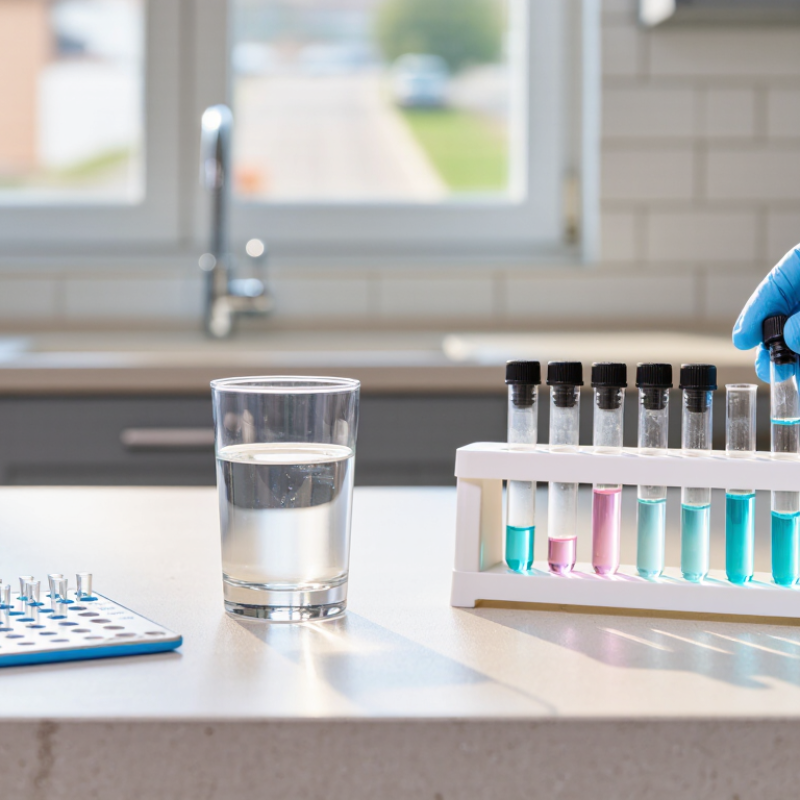
Buying a home means looking beyond fresh paint, quiet streets, and a clean inspection report. The water deserves attention too. Water testing can reveal contaminants that taste, smell, and appearance cannot reliably show. A clear glass may still contain unwanted substances. That matters whether the property uses a private well, a shared supply, or municipal water.
For buyers, a test provides practical evidence before a major purchase. It can help identify concerns such as bacteria, lead, nitrates, or elevated mineral levels, depending on the water source and local conditions. A qualified laboratory can recommend which tests are appropriate. Sampling details matter: a poorly collected sample may produce results that are difficult to trust. Keep the report, note the sampling date, and ask who collected the sample. Small details count.
Water testing is not a guarantee of future quality. Conditions can change, and one report cannot answer every question. No single test covers everything. If results raise concerns, discuss them with a water-quality professional and ask about follow-up testing or treatment options before making assumptions about cost or safety. Buyers should also clarify whether the report reflects the current system and whether any treatment equipment was operating during sampling. It may feel like one more task during an already crowded buying process. Still, knowing what is in the water can support clearer decisions, useful negotiations, and a more confident move-in.
Identify the Water Source: Public Utility, Private Well, or Shared System
Before arranging a water test, identify where the water comes from. Ask the seller and review utility bills, well records, or shared-system documents. A kitchen tap can look clear and still contain contaminants that testing may detect. Looks are not enough.
With a public utility, ask for recent water-quality reports and confirm whether the home’s plumbing could affect water at the tap. Older pipes or fixtures may create concerns that a system-wide report does not address. A private well is different: the buyer usually needs a property-specific test, often covering bacteria, nitrates, and other locally relevant contaminants. Testing guidance varies by area, so check with the local health department or a qualified water professional. I would not assume a past test still reflects current conditions.
A shared well or community system can be less obvious. Find out who maintains it, how costs are divided, and whether test results and repair records are available. Ask how many homes it serves and what happens if equipment fails. A shared system may be professionally managed, but that does not remove the need to review its records. If documents are missing, treat that as an unanswered question, not proof that the water is safe.
| Water Source | How It Typically Works | What Buyers Should Verify | Testing and Records to Review | Why Testing Matters |
|---|---|---|---|---|
| Public utility | Water is supplied by a public water system, which generally treats and monitors water under applicable drinking-water regulations. | Confirm the service provider, connection status, service address, and whether the property has any private plumbing, well, or treatment equipment in addition to the utility connection. | Review the utility’s latest Consumer Confidence Report where available, recent notices, and any property-specific test results. Consider testing at the tap if there are concerns about plumbing, lead, or water quality inside the home. | Utility monitoring describes the system’s water, but does not necessarily identify issues from a property’s service line, fixtures, or interior plumbing. |
| Private well | The property draws groundwater from its own well. In many areas, the homeowner is responsible for testing, maintenance, and treatment. | Locate the well and identify its construction, age, condition, maintenance history, and any nearby potential contamination sources. Check local requirements and well records. | Obtain a recent laboratory test from a qualified or certified laboratory. Common checks include total coliform bacteria, nitrate, pH, and total dissolved solids; local conditions may warrant additional tests such as arsenic, lead, or other contaminants. | Well water is not routinely monitored by a public utility. Testing helps identify contaminants that may not change the water’s taste, smell, or appearance. |
| Shared system | A system serves multiple properties and may be privately or publicly operated. Its regulatory status and monitoring requirements depend on its size, use, and local rules. | Identify the operator, the properties served, the system’s regulatory classification, maintenance responsibilities, fees, and procedures for repairs or service interruptions. | Request recent water-quality results, required monitoring records, violation or advisory notices, and maintenance documentation from the operator or relevant authority. Confirm which tests apply to the specific system. | A shared source can create shared maintenance and management responsibilities. Reviewing test results and operating records helps buyers understand both water quality and ongoing obligations. |
| Buyer tip: Confirm the water source before making decisions, and use a qualified laboratory for property-specific testing. Recommended tests and legal requirements vary by location and system; consult the local health department or drinking-water authority for guidance. | ||||
Related Posts
-
How to Choose a Water Quality Test Kit in 2026?
-
10 Tips for Choosing the Best Water Quality Test Kit
-
Top Water Testing Tips for Homeowners to Ensure Safe Drinking Water
-

10 Best Water Quality Testing Kits for Safe Drinking Water Today?
-
10 Essential Tips for Effective Water Quality Testing
-

2026 Best Water Testing Solutions for Global Buyers?