•  

How to Get a Free Water Test Kit in 2026?

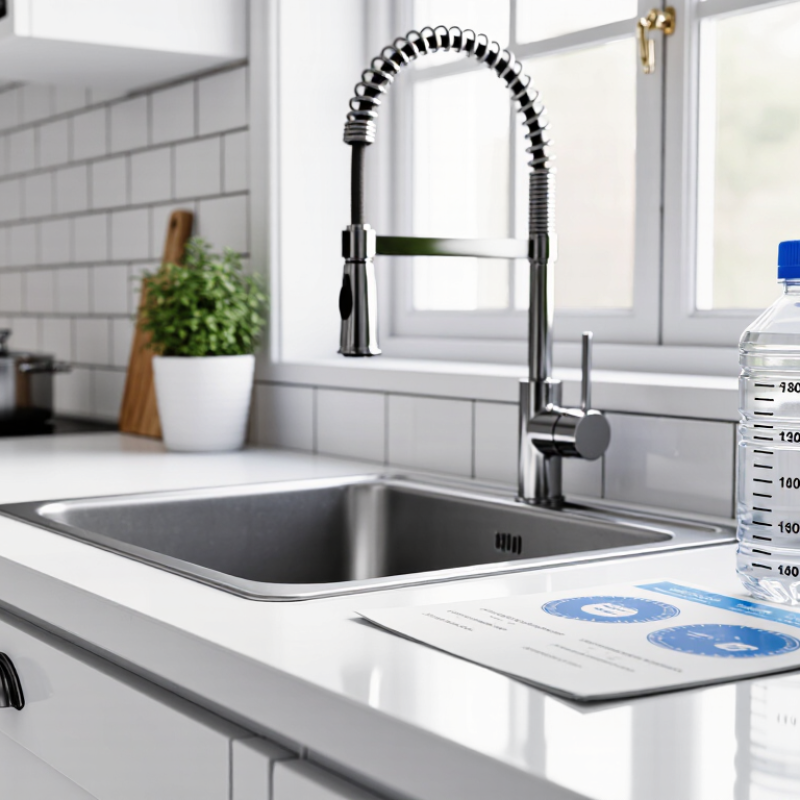
Finding a free water test kit in 2026 may be easier than expected, but availability depends on your location, water source, and local programs. City utilities, county health departments, universities, and community organizations sometimes provide kits at no charge. Some programs serve private-well owners, renters, families with infants, or residents in areas affected by flooding or aging infrastructure.

Start with your water provider’s website or customer service office. Ask specifically whether it offers a free water test kit, sampling instructions, or laboratory vouchers. A nearby public health department may also explain which tests matter, such as lead, nitrates, bacteria, or arsenic. Keep the container sealed until use. Record the collection date, tap location, and time the water was last used. Small details can affect results.

This guide focuses on practical and verifiable steps. It encourages readers to confirm program eligibility, testing fees, shipping rules, and laboratory accreditation before sending a sample. Free does not always mean complete. Some kits test only one contaminant, while others provide screening results rather than a full safety assessment. That distinction matters.

Read every instruction carefully.

Do not guess.

If results show a possible health concern, contact the laboratory, local health authority, or a qualified water professional. Avoid making major treatment decisions from a single unclear result. Testing programs can change during the year, and information online may become outdated. That is an important limitation. Still, with careful documentation and an appropriately certified laboratory, a free water test kit can be a useful first step toward understanding household water quality.
How to Get a Free Water Test Kit in 2026?

What a Free Water Test Kit Is and What It Can Detect

How to Get a Free Water Test Kit in 2026?

A free water test kit is usually a small screening tool, not a complete laboratory analysis. Local health departments, water utilities, community programs, and environmental agencies may offer kits in 2026. Availability can depend on your address, household needs, or current public funding. Check official public health websites and ask whether the kit includes return postage.

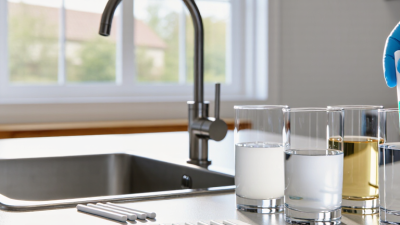
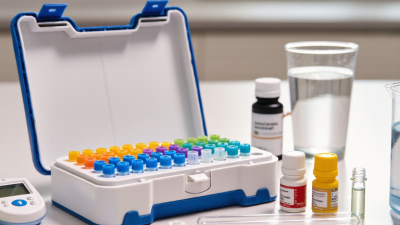
Most kits test common indicators such as pH, hardness, chlorine, nitrate, nitrite, and copper. Some include a lead test, while others check for bacteria through a presence-or-absence method. Read the instructions carefully. A strip may change color after thirty seconds, not immediately. Use a clean container, avoid touching the sample area, and record the collection time. Small details matter.

The results can reveal a warning sign, but they cannot prove that water is completely safe. Home tests may miss low contaminant levels or produce unclear colors under poor lighting. I find this limitation easy to overlook. If a result seems unusual, repeat the test or contact a certified laboratory and your local health authority. Pay special attention to lead, bacteria, and nitrate concerns, especially in homes with older plumbing, private wells, infants, or pregnant residents. A free kit is useful. It is not the final word.
Who Qualifies for a Free Water Test Kit in 2026

How to Get a Free Water Test Kit in 2026?

In 2026, free water test kits are usually reserved for households facing specific health or access concerns. Eligibility often includes low-income families, residents in areas with water advisories, and people using private wells. Pregnant people, infants, older adults, and residents with medical concerns may receive priority. Some programs also support homes near flooding, wildfire damage, or aging water systems. Rules differ by location.

Applicants may need proof of address, household income, or private-well ownership. A recent utility notice can also help. Check your local public health department, environmental office, or community assistance program. Ask whether the kit includes laboratory analysis. Some kits only provide sample containers and basic instructions. That difference matters. It is easy to assume “free” covers every testing step, but it may not.

Tips: Apply early, especially after a public advisory. Use clean hands and follow the collection time exactly. Do not touch the bottle opening. Record the date, water source, and any unusual smell or color. If instructions seem unclear, call the issuing office before collecting the sample. My own reflection is simple: a rushed sample can weaken an otherwise useful test. Keep copies of your application and results. Eligibility can change during the year, so recheck the current requirements before applying.

How to Find a Legitimate Free Water Test Kit Program

How to Get a Free Water Test Kit in 2026?

A legitimate free water test kit program usually comes from a public health department, local water authority, university extension service, or community grant. Search official government websites before trusting social media advertisements. Check the program’s eligibility rules, service area, registration deadline, and sample return instructions. Read the fine print. Some kits are free, but laboratory analysis or shipping may cost extra.

A reliable program should clearly identify the testing laboratory and explain which contaminants are included. Look for laboratory accreditation, contact details, privacy policies, and a written result-reporting process. Basic kits may test for lead, bacteria, nitrates, or chlorine, but they cannot detect everything. Ask whether the kit uses a sterile container, temperature guidance, and a documented chain of custody. That matters.

I would contact the program directly using a government or institutional phone number, not a link from an unsolicited message. Never provide payment details simply to “unlock” a free kit. One common mistake is assuming a free test proves the water is completely safe. It does not. Results may be affected by poor sampling, old containers, or delays during shipping. If the report shows an unusual result, request professional interpretation and consider a second test through an accredited laboratory. My own weak point would be rushing the sample collection; even a legitimate program cannot correct careless handling.

How to Get a Free Water Test Kit in 2026? - How to Find a Legitimate Free Water Test Kit Program

Program or Access Route Typical Eligibility Tests Commonly Offered Expected Cost Typical Processing Time Legitimacy Check
Local or state public health department Residents in the department’s service area; priority may be given to households with private wells, infants, pregnant people, or suspected contamination. Bacteria, nitrate, nitrite, lead, arsenic, or other locally relevant contaminants. Often free during funded campaigns; routine testing may require a fee. Approximately 1–4 weeks, depending on the program and laboratory workload. The program is listed on an official government website and provides a phone number, eligibility rules, and written instructions.
County or regional private-well screening event Owners or users of private wells in the announced county or service region. Usually total coliform bacteria and nitrate; expanded panels may be available after flooding or a known environmental incident. Usually $0 for the basic screening during the event; travel or follow-up testing may not be covered. Often 5–15 business days after the sample is received. The announcement identifies the sampling date, accepted sample containers, laboratory method, and result-delivery process.
Household lead-testing initiative Households with young children, older plumbing, or service-area eligibility specified by a public program. Lead in drinking water; some programs also collect copper or other plumbing-related samples. Free when supplied through a qualifying public health or water assistance program. Approximately 2–6 weeks, including sample shipment and laboratory analysis. The instructions explain first-draw sampling, tap preparation, chain of custody, and how results will be interpreted.
Emergency or disaster-response testing Residents affected by flooding, wildfire, hurricanes, boil-water incidents, or other officially recognized events. The contaminants associated with the incident, which may include bacteria, chemicals, fuel-related compounds, or metals. Usually free for affected households when distributed through an emergency agency. May range from several days to several weeks, depending on urgency and laboratory capacity. The offer is linked to an official emergency notice and does not require payment or unnecessary personal information.
Agricultural or rural well-water outreach program Rural households or private-well users in areas identified as having agricultural or groundwater concerns. Nitrate, bacteria, and selected pesticides or other region-specific contaminants. Basic testing may be free under a grant-funded outreach project; additional analysis may cost extra. Commonly 1–5 weeks. The organizers identify the funding source, sampling protocol, laboratory qualifications, and data-privacy policy.
University or cooperative extension testing project Residents who meet the project’s geographic, research, or household criteria. The project’s selected contaminants; common examples include bacteria, nitrate, metals, or salinity indicators. Free only when the project specifically covers collection and analysis. Approximately 2–12 weeks, especially when results are part of a research project. A legitimate project provides an institutional webpage, project contact, consent information, and a clear explanation of how results are used.
Community nonprofit or household assistance program Low-income households, tenants, older adults, or residents in an identified high-risk area. Usually a limited screening panel rather than a complete water-quality analysis. Free for approved participants; availability may be limited by grant funding. Often 1–6 weeks. The organization provides a physical address, official registration or government partnership information, written eligibility requirements, and no high-pressure sales pitch.
Public drinking-water system consumer assistance Customers or residents served by a public water system, especially during a documented water-quality concern. Testing related to an advisory, service-line concern, or confirmed water-quality event. May be free when the system or public agency initiates the testing; ordinary personal testing may not be covered. Varies from several days to several weeks. Confirm the offer through the water system’s official contact channel and verify that the laboratory and sampling instructions are documented.
Important: A free home test kit may provide only a preliminary screening. For health decisions, use the program’s approved sampling procedure and confirm important findings through a qualified laboratory or local public health authority.

How to Request, Receive, and Use the Test Kit

How to Get a Free Water Test Kit in 2026?

Free water test kits may be available through local health departments, public utilities, community laboratories, or environmental education programs. Check their official websites or call during business hours. Ask whether the kit covers lead, bacteria, nitrates, or other concerns in your area. Eligibility may depend on location, housing age, or household risk.

Request the kit using your full address and a reachable phone number. Confirm the collection deadline, sample size, and return method. When it arrives, inspect the container and instructions before opening anything. Keep it dry. Wash your hands, then collect water exactly as directed. Avoid touching the bottle opening or cap interior. If the instructions require first-draw water, do not run the tap beforehand.

Label the sample with the required date and time. Seal it firmly and return it within the stated period. Some tests need cooling, while others must stay at room temperature, so follow the supplied guidance instead of guessing. Do not guess.

A clean-looking sample can still contain contaminants. Requesting a second test may be sensible if the bottle was dropped, delayed, or collected incorrectly. I would also record the tap used, recent plumbing work, and unusual taste or odor. Those details help professionals interpret results, although home kits may not replace certified laboratory testing. Check the report for detection limits and contact the issuing agency with questions.

How to Interpret Results and Take the Next Steps

A free water test kit can provide an early look at your drinking water. Read the instructions before collecting the sample. Different tests may measure lead, bacteria, hardness, chlorine, or acidity. One kit cannot detect everything.

Small details matter. Use the recommended tap, container, and waiting time. Avoid touching the test strip. Compare the color under natural light, not beneath a yellow kitchen bulb. Record the result, unit, date, and sample location. Do not guess. A slightly different shade can change the reading.

Check the result against limits published by your local health authority. A concerning result deserves a second test, preferably from a certified laboratory. Follow-up sampling can show whether the issue affects one faucet or the whole supply. If bacteria appear, stop drinking the water until qualified officials provide guidance. If lead is suspected, use another safe source for drinking and cooking while seeking professional advice. Boiling does not remove lead or many chemicals.

Home kits are useful, but they are not flawless. Expired strips, warm storage, or poor sampling can create misleading results. I would question any result that conflicts sharply with the water’s smell, color, or recent plumbing changes. Keep the package and photos of the test. Those small records can help a laboratory or health professional investigate the next step.

How to Get a Free Water Test Kit in 2026? How to Interpret Results and Take the Next Steps

After receiving a free water test kit, compare your laboratory or kit results with the applicable local drinking-water limits. The chart shows selected U.S. federal reference thresholds in milligrams per liter (mg/L). Arsenic, lead, nitrate, and fluoride require particular attention because elevated exposure may pose health risks. Lead is shown using the EPA action level, while the other values are maximum contaminant levels. If a result is at or above a relevant limit, repeat the test with a certified laboratory and contact your local health department or water supplier before choosing treatment.

Reference values: U.S. Environmental Protection Agency drinking-water regulations and action-level guidance. Nitrate is reported as nitrogen (N). Standards can differ by location and may be updated, so verify the current requirements that apply to your water system or private well.