
Buying a home water test across borders requires more than choosing the most attractive kit. Water can look perfect and still contain lead, nitrates, bacteria, or excess minerals. Local pipes, private wells, storage tanks, and seasonal conditions can change the results.
Dr. Marc Edwards, an environmental engineer and Virginia Tech professor, has emphasized, “You can’t tell if water is safe by looking at it.” That warning remains practical for global buyers. A reliable home water test should explain its detection limits, sampling method, testing range, and recommended follow-up. Clear instructions matter. Small errors matter.
This guide examines ten practical tips for selecting and using a home water test. It considers drinking water from municipal systems, wells, rainwater tanks, and imported filtration products. Buyers should check whether the kit matches the suspected contaminant and the water source. A chlorine strip cannot confirm lead safety. A hardness test cannot identify microbial contamination.
Read the package carefully. Check the manufacturing date. Use a clean container. Avoid touching the sample opening. Send uncertain results to an accredited laboratory when health risks may exist. No kit is flawless. Results can also vary between seasons, taps, and sampling times. That gap deserves attention.
The aim is not to create fear. It is to support careful decisions with transparent evidence, realistic limitations, and professional verification. A thoughtful buyer tests, questions, and retests when the evidence feels incomplete.
Home Water Test Tips for Global Buyers begin with the water’s origin. Record whether it comes from a municipal pipe, private well, rain tank, or delivery system. The WHO Guidelines for Drinking-water Quality provide health-based reference points, but they are not automatic legal limits. Compare each result with your country’s drinking-water standard. Local rules may set different limits for lead, nitrate, fluoride, microbes, or disinfectant residue.
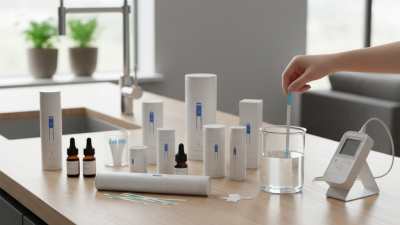
Use a clean bottle and collect water after several minutes of flushing. Test appearance, odor, pH, turbidity, chlorine, hardness, nitrate, lead, and bacterial indicators. These ten checks can reveal different risks. A clear sample may still contain invisible contamination. Do not touch the bottle opening. Keep samples cool and follow the test timing carefully. Small errors can change the result.
Home strips are useful for screening, not final proof. Some kits measure broad ranges poorly. A low reading does not always mean safe water. For suspected lead, bacteria, or agricultural pollution, use an accredited laboratory accepted by local authorities. Repeat testing after flooding, pipe repairs, seasonal changes, or unusual taste. Standards also change, and household habits differ. Recheck the guidance instead of trusting one old result.
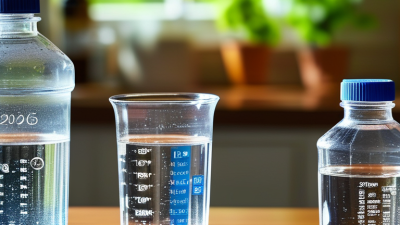
Water results begin with a representative sample. Use a new, sterile 1-litre bottle supplied or accepted by the testing laboratory. Do not rinse it with tap water. That helpful step can introduce organisms or chemicals. WHO and UNICEF’s 2023 Joint Monitoring Programme reported that 2.2 billion people lacked safely managed drinking water in 2022. Sampling accuracy matters.
A practical field lesson is simple: the bottle is part of the test. Wash your hands, remove the tap aerator, and let cold water run for the period specified by the laboratory. Hold the bottle near its base. Never touch the cap interior or bottle opening. Fill slowly, leaving the required headspace. If the instructions are unclear, pause and ask. Guessing saves minutes, but can weaken the result.
Record the property address, exact outlet, date, time, water temperature, and recent treatment activity. Write labels before collection when possible. Place the closed bottle in a clean cooler, away from food and chemicals. Follow the laboratory’s temperature and delivery window; microbiological samples often require faster transport than chemical samples. ISO 19458 guidance stresses planned sampling for microbiological analysis. A rushed sample may look professional while representing only the tap, not the household supply. Recheck the chain-of-custody form before dispatch. Small omissions remain surprisingly common.
A representative sample should be collected in a clean, sterile 1-litre bottle, without touching the inside of the bottle or cap. Keep the sample cool, label the collection time and location, and deliver it to the laboratory as soon as possible. The chart shows selected World Health Organization drinking-water guideline values for parameters commonly included in home water testing; these are reference limits, not test results.
Reference: WHO Guidelines for Drinking-water Quality, 4th edition incorporating addenda, 2022.
Reliable home water testing starts with a clean sample. Use a sterile bottle, rinse it with source water, and test cold water after two minutes of flow. Record the date, location, temperature, and device model. Repeat each reading twice. Small errors matter.
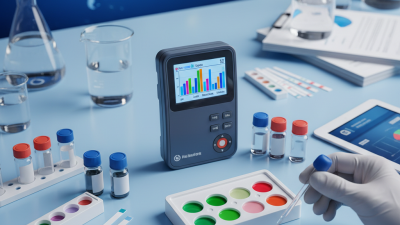
Check pH against 6.5–8.5, the range listed in the U.S. Environmental Protection Agency’s Secondary Drinking Water Regulations. Measure TDS separately; the World Health Organization reports no health-based TDS limit, although taste often declines above 600 mg/L. Test turbidity below 5 NTU, while remembering that clearer water is not always safer. Calibrate meters with fresh standards. Replace cloudy test strips. Keep them dry. Check free chlorine soon after collection, because it falls during storage. Where chlorination is used, WHO guidance identifies about 0.2 mg/L at delivery as a practical residual target.
Ten checks sound simple, but household testing has blind spots. A high TDS result may reflect harmless minerals, not contamination. A normal pH does not prove microbiological safety. The WHO Guidelines for Drinking-water Quality recommend laboratory confirmation when results change sharply or illness is suspected. Compare readings across several days, not one convenient sample. Public-health data also show the stakes: WHO and UNICEF’s 2023 Joint Monitoring Programme estimated 2.2 billion people lacked safely managed drinking water in 2022. Home tests are useful screening tools, not certificates of safety.
Safe water screening starts with clear targets. For E. coli, the result should be 0/100 mL, meaning none detected in the tested sample. Lead should remain below 10 µg/L, while nitrate should stay below 50 mg/L. These values are useful purchasing benchmarks, but national limits may differ. Check the rules where the water will be used. Do not assume one standard fits every country.
Use a clean, sterile container and follow the kit instructions exactly. Collect cold water from the usual drinking tap, not a hose or storage bucket. Let the tap run briefly, unless the instructions require a first-draw sample for lead. Test E. coli promptly, because warm storage can change bacterial results. Keep nitrate and lead samples cool and protected from sunlight. Small details matter.
Choose kits with clear detection limits, batch information, and an expiry date. Confirm that the method measures lead in µg/L and nitrate in mg/L. Some strips provide only rough color estimates. They can miss low contamination. A home result below the target is not absolute proof of safety. Retest after plumbing work, flooding, or a source change. If E. coli appears, or lead reaches 10 µg/L, arrange an accredited laboratory test and avoid guessing from taste or appearance. Water can look perfect. That is the difficult part.
Choosing a home water test requires more than comparing prices or test strips. Check whether the laboratory is accredited to ISO/IEC 17025 for the exact water method used. Accreditation may cover only selected tests, not every result on the report. Ask for its current scope, testing location, method reference, and measurement uncertainty. A certificate logo alone proves little.
Compare detection limits with local guideline values. A result is useful only when the laboratory can detect the substance below the relevant safety level. Check units carefully, such as mg/L, µg/L, or colony-forming units. Also confirm the tested water matrix, because drinking water and well water may require different methods. Ten practical checks include sample volume, bottle type, preservation chemicals, holding time, collection instructions, shipping temperature, reporting format, calibration records, quality controls, and result interpretation.
Small details matter. Flush a cold tap consistently, avoid touching the bottle opening, and record the collection time. Keep the sample cool when instructions require it. An independent laboratory should explain abnormal findings without pressuring you toward a product. Global buyers should also examine certifications accepted in their destination country, along with language, importer documentation, and report traceability. International recognition can vary.
I still find sampling errors harder to control than laboratory errors. A perfect instrument cannot repair a contaminated bottle. Home kits may provide useful screening, but unclear color changes can mislead. Repeating a suspicious result is sensible. No result is perfect. Look for dated reports, signed authorization, method numbers, detection limits, and clear notes about uncertainty before making decisions.