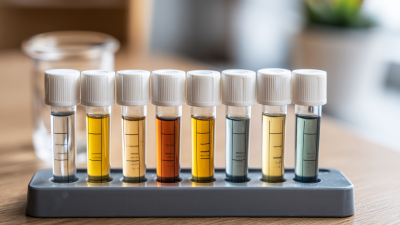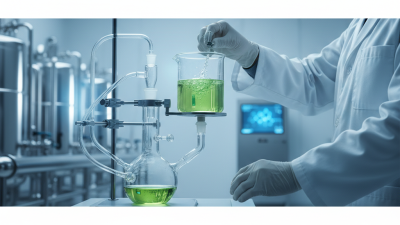

Boilers convert water into steam or hot water for heating, manufacturing, and power generation. The process looks simple, but water chemistry changes under heat and pressure. Minerals that seemed harmless in a cold sample can concentrate inside a boiler. Without proper boiler water treatment, these minerals may form hard scale on heated surfaces. Corrosion can also damage tubes, pipes, and other equipment. Small problems can become costly downtime. And sometimes, damage is not immediately visible.
Boiler water treatment helps control these risks and support reliable operation. A sound program may include feedwater testing, chemical adjustment, filtration, and controlled blowdown. The right approach depends on the boiler design, water source, operating conditions, and manufacturer guidance. Regular testing matters; a treatment plan cannot rely on guesswork or a single old result. Operators should record readings and investigate changes, such as rising conductivity or unusual deposits. Results need context. No treatment program is perfect, and excessive chemical use can create its own problems. Even well-maintained systems require review as conditions change. Understanding why treatment matters is a practical starting point for protecting equipment, maintaining efficiency, and making informed operating decisions.
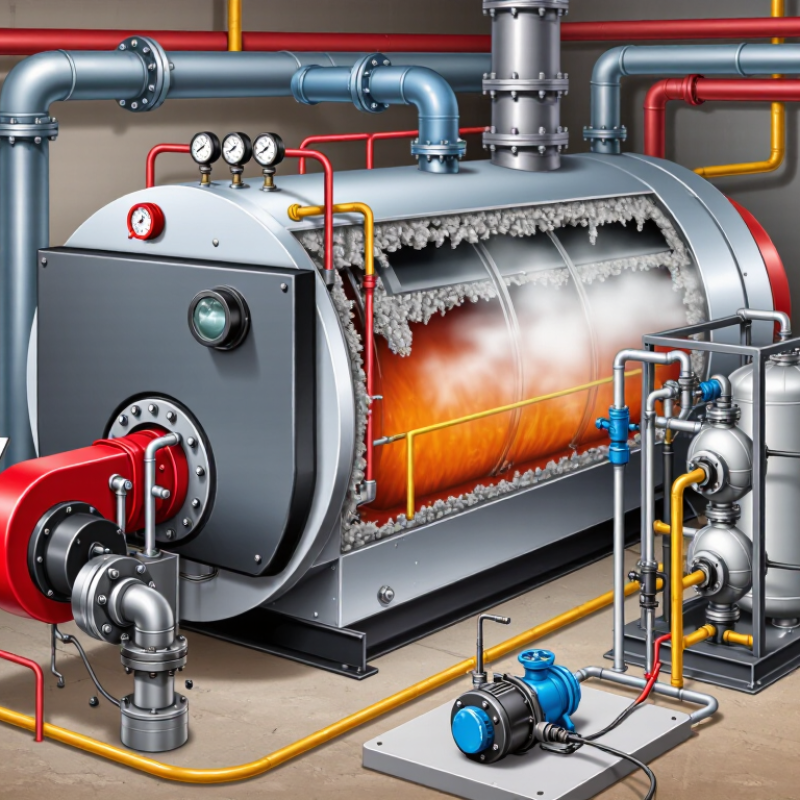
Boiler water treatment controls the minerals, gases, and suspended particles entering a boiler. Without control, hardness minerals can form scale on heated surfaces. Even a thin layer can slow heat transfer and raise fuel use. That matters. Dissolved oxygen and carbon dioxide can also encourage corrosion, gradually damaging pipes and metal surfaces.
The basic approach starts with testing the incoming water and matching treatment to the boiler’s design and operating pressure. Softening reduces hardness; filtration removes some suspended material. Deaeration helps remove dissolved gases, while carefully selected chemicals can control corrosion and deposits. There is no universal recipe. A treatment that suits one system may be unsuitable for another.
Operators check water chemistry at regular intervals, including pH, conductivity, and hardness where appropriate. They may also use blowdown to remove concentrated dissolved solids from the boiler. Too little blowdown can allow solids to build up; too much wastes heated water and treatment chemicals. Records help reveal gradual changes, though measurements can be imperfect. A cloudy sample or a sudden shift in readings deserves investigation, not guesswork.
Boiler water can look clear while carrying contaminants that quietly damage equipment. Calcium and magnesium hardness form scale on heated surfaces. Even a thin layer slows heat transfer, so metal temperatures may rise while fuel use increases. In practice, a small deposit can be easy to miss until performance changes. Small deposits matter.
Dissolved oxygen attacks steel and can create deep, localized pits in tubes and feedwater lines. Chlorides and other dissolved salts raise water conductivity; at unsuitable levels, they can worsen corrosion and contribute to foaming or water carryover. Suspended solids settle as sludge, especially in low-flow areas, and can obstruct circulation. Oil and organic matter may also encourage foam, leaving wet steam and deposits behind. The warning signs are not always obvious.
Silica deserves attention because it can form hard deposits and, under some operating conditions, travel with steam and foul downstream equipment. Operators typically monitor water chemistry, inspect blowdown samples, and adjust treatment to match the boiler and its load. Results depend on sampling quality; one hurried or poorly cooled sample can mislead. Treatment targets should come from reliable testing and qualified guidance, not a single generic number.
| Contaminant or Condition | Common Source | Potential Effects in a Boiler System | Typical Monitoring or Control |
|---|---|---|---|
| Calcium and magnesium hardness | Makeup water containing naturally dissolved minerals; inadequate softening or membrane treatment. | Can form mineral scale on heat-transfer surfaces, reducing heat transfer and contributing to overheating, higher fuel use, or tube damage. | Test makeup and boiler water hardness. Use appropriate softening or other pretreatment, and manage blowdown according to the treatment program. |
| Dissolved oxygen | Oxygen entering with makeup water, air leaks, or condensate exposed to air. | Promotes oxygen corrosion, which may cause pitting and damage in boilers, piping, and condensate-return equipment. | Check dissolved oxygen where required. Use deaeration and a suitable oxygen-scavenging program, while maintaining system integrity. |
| Carbon dioxide and resulting acidity | Carbon dioxide released from bicarbonate alkalinity in boiler water and carried into steam. | Carbon dioxide can dissolve in condensate and form carbonic acid, contributing to corrosion in steam and condensate lines. | Monitor condensate pH and corrosion indicators. Control alkalinity and use an appropriate condensate-treatment program. |
| Silica | Naturally occurring silica in makeup water or inadequate pretreatment. | May form deposits; under some operating conditions, silica can carry over with steam and deposit on downstream equipment. | Test makeup and boiler water silica, especially in higher-pressure systems. Select pretreatment and operating limits appropriate to boiler pressure and design. |
| Suspended solids and sediment | Source-water particles, corrosion products, or material entering through leaks or maintenance work. | Can settle or accumulate, contribute to deposits, obstruct flow, and interfere with heat transfer or water-side treatment. | Use suitable filtration and inspect system cleanliness. Control suspended matter with appropriate blowdown and maintenance practices. |
| Iron and copper corrosion products | Corrosion of feedwater, boiler, steam, or condensate-system components. | Can be transported and deposited on heat-transfer surfaces, contributing to under-deposit corrosion and reduced heat transfer. | Trend iron and copper in relevant water or condensate samples. Investigate corrosion sources and maintain effective feedwater and condensate treatment. |
| Excessive dissolved solids | Concentration of dissolved minerals as steam leaves the boiler, or insufficient blowdown. | May increase foaming and carryover, allowing boiler-water droplets and impurities to enter the steam system. | Monitor conductivity or total dissolved solids using the site’s treatment plan. Adjust blowdown and investigate changes in makeup-water quality. |
| Oil and organic matter | Process leaks, contaminated condensate, or accidental ingress during operation or maintenance. | Can cause foaming, deposits, poor heat transfer, and contamination of steam; some deposits may be difficult to remove. | Watch for abnormal foaming, odor, or visible contamination. Identify and isolate the source, and assess contaminated condensate before return. |
| Excessive alkalinity or unsuitable pH | Incorrect chemical dosing, changing makeup-water chemistry, or inadequate monitoring. | Out-of-range chemistry can contribute to corrosion, deposits, foaming, or carryover, depending on the boiler and treatment program. | Test pH and alkalinity at defined sampling points. Adjust treatment only in accordance with boiler design, operating conditions, and qualified guidance. |
Boiler water treatment begins with testing the incoming supply. Technicians check hardness, alkalinity, pH, and dissolved solids because local water can vary widely. A simple hardness test can reveal calcium and magnesium that may form insulating scale. That scale reduces heat transfer and can create hot spots on boiler tubes. Small deposits matter.
Pretreatment removes or reduces unwanted material before water reaches the boiler. Filtration can catch suspended particles, while softening reduces scale-forming minerals. Reverse osmosis may be suitable for some systems, but it is not automatically the best choice. The right setup depends on feedwater quality, boiler pressure, and operating needs. There is no universal recipe. Deaeration then helps remove dissolved oxygen, which can contribute to corrosion. Chemical treatment may provide further protection, guided by regular testing.
Inside the boiler, operators monitor water chemistry and adjust treatment as readings change. Conductivity checks help indicate dissolved solids; controlled blowdown removes some concentrated water and replaces it with treated feedwater. Too little blowdown can allow solids to build up, while too much wastes heat and water. Keep clear records. A missed test or an unusual reading deserves attention, even when the boiler seems to run normally. These routines are not perfect, and sampling errors can happen, so trends are often more useful than a single result.
Boiler water treatment protects the thin metal surfaces that transfer heat. Untreated hardness can form scale on tubes, much like mineral crust inside a kettle. Even a small deposit slows heat transfer and can create local hot spots. Dissolved oxygen and unsuitable water chemistry also promote corrosion, thinning metal from the inside. That matters.
Treatment combines softened or otherwise conditioned makeup water, chemical control, and routine testing. The U.S. Department of Energy’s Steam Tip Sheet #9, “Minimize Boiler Blowdown,” says blowdown commonly runs at 4–8% of feedwater flow, though it can reach 10% when dissolved solids are high. That figure shows the trade-off: too little blowdown lets solids concentrate; too much wastes treated water and heat. Operators should set limits for the specific boiler, not copy a generic target.
Carryover occurs when water droplets or excessive dissolved solids travel with steam. Wet steam can leave deposits in valves and downstream equipment, while unstable chemistry or foaming can make the problem worse. Regular checks of conductivity, oxygen control, and feedwater hardness help catch drift before it becomes visible damage. A stubborn detail: adding more chemical is not automatically safer. Treatment needs adjustment based on test results and operating conditions, and those readings can still miss an intermittent problem.
Proper boiler-water treatment protects both equipment and people. Hardness minerals can build scale on heat-transfer surfaces, much like a thin crust inside a kettle. Even a modest layer can slow heat transfer and increase fuel use. Deposits may also create hot spots, stressing metal that must contain pressurized steam. That matters.
Dissolved oxygen can encourage corrosion, while unsuitable alkalinity may damage metal or promote foaming. Foam and water droplets can travel with steam, affecting connected equipment. Treatment helps control these risks, but it is not a substitute for inspections, sound operating procedures, or trained staff. The awkward part is that water conditions change, so a treatment plan that worked last month may need adjustment. Regular testing makes that visible.
Tips: Check feedwater and boiler-water readings on a consistent schedule. Keep clear records of conductivity, hardness, and chemical dosing. Follow equipment guidance, and investigate sudden changes rather than simply adding more chemicals. A clean-looking sight glass is useful, but it does not tell the whole story.