Best PH Tester for Water to Ensure Safe Drinking Quality?
Ensuring the safety of drinking water is crucial for health. One effective way to assess water quality is by using a pH tester for water. These devices measure the acidity or alkalinity of water, providing essential information for making informed choices.
A high-quality pH tester for water can reveal potential issues. Water that is too acidic or too alkaline can cause problems for both people and plumbing systems. Many testers are available, but not all are reliable. Choosing a reputable pH tester, backed by expert recommendations, is vital.
However, even the best testers have limitations. They may require calibration or maintenance over time. Users can sometimes struggle to interpret results. It’s essential to understand how to read the measurements correctly. Emphasizing proper usage and ongoing education can help users navigate these challenges, ensuring safer drinking water for everyone.
Importance of pH Testing for Drinking Water Quality
Testing the pH level of drinking water is crucial for public health. The World Health Organization states that a pH level between 6.5 and 8.5 is ideal. When water falls outside this range, it can pose health risks. Highly acidic water can leach metals from pipes, leading to toxicity. Conversely, alkaline water may result in mineral buildup in plumbing systems.
In a recent study by the Environmental Protection Agency, it was found that nearly 20% of community water systems experienced pH imbalance. Such imbalances can affect taste and pose risks to human health. Regular pH testing helps ensure that water remains safe for consumption. Homeowners should consider investing in reliable pH testers. These devices provide immediate feedback on water quality.
The lack of pH monitoring in many areas raises concerns. Many individuals do not realize potential issues until health problems arise. Investing in a simple testing method can prevent these dangerous situations. Safe drinking water is not just a luxury; it is a necessity. Ignoring pH levels is a risk we cannot afford.
Types of pH Testers Available for Water Analysis
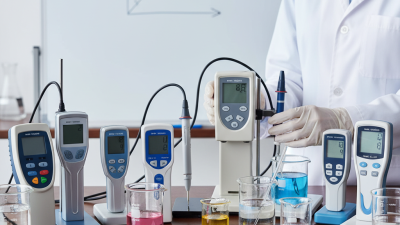
When it comes to ensuring safe drinking water, choosing the right pH tester is crucial. Several types are available for water analysis, each with its unique features. These testers can be broadly categorized into digital testers, litmus strips, and portable meters. Digital testers provide precise readings and are user-friendly, making them a popular choice. They often come with calibration solutions to maintain accuracy, but they may require battery replacements, which can be inconvenient.
Litmus strips, on the other hand, are simple and inexpensive. They offer quick, on-the-spot results but lack precision. Environmental variables can affect their performance, leading to potential inaccuracies. For those in need of frequent testing, portable meters are another option. These devices are handy and designed for field use. However, they can be fragile and sensitive to extreme temperatures.
Selecting the best pH tester involves knowing your testing needs. Consider how often you’ll test and the required accuracy. Users must reflect on these aspects to avoid costly mistakes later. The reliability of your chosen tool can significantly impact drinking water quality. Understanding these types will make your decision easier.
Best pH Tester for Water Quality Analysis
This bar chart displays the pH levels of various water sources to illustrate the importance of ensuring safe drinking water quality. The data represents the average pH levels found in different water types, each measured to help determine their safety for consumption.
Factors to Consider When Choosing a pH Tester
When selecting a pH tester for water, several factors demand careful consideration. Accuracy is paramount. Research indicates that the best testers offer readings within ±0.1 pH units. A tester that fails to meet this standard may lead to unsafe water quality. Look for devices that have been tested and certified to ensure reliability.
User-friendliness also plays a vital role. A pH tester should feature a clear display and simple calibration options. Reports show that consumers often struggle with complex settings, which can result in inaccurate readings. Regular calibration is fundamental in maintaining tester accuracy. Failing to do so might lead to misleading results about water safety.
**Tips:** Choose a tester with a built-in temperature compensation feature. This function improves accuracy in varying conditions. Additionally, consider models with replaceable electrodes; this prolongs the tester's lifespan and enhances performance. Regular maintenance and storage can dramatically affect the reliability of your readings. Be mindful of these factors to ensure your pH tester delivers accurate assessments consistently.
Best PH Tester for Water to Ensure Safe Drinking Quality? - Factors to Consider When Choosing a pH Tester
| Feature |
Importance |
Recommended Value |
| Accuracy |
Crucial for reliable measurements |
±0.1 pH |
| Resolution |
Refers to how finely the measurement can be made |
0.01 pH |
| Calibration |
Affects measurement reliability |
Automatic or manual, best to have both |
| Temperature Compensation |
Ensures accuracy across temperature variations |
Automatic compensation preferred |
| Display |
Ease of reading the pH value |
Digital display with backlight |
| Durability |
Longevity and resistance to wear |
Waterproof and shock-resistant |
| Battery Life |
Frequency of replacements impacts usability |
At least 500 hours |
Top Recommended pH Testers for Home Use
When it comes to ensuring the safety of drinking water, choosing the right pH tester is crucial for home use. A great pH tester will help you determine the acidity or alkalinity of your water, which is vital for your health. The ideal device should be user-friendly, portable, and provide accurate readings quickly. Many home testers feature easy-to-read displays, allowing you to monitor water quality effortlessly.
Tips to consider: Make sure to calibrate your pH tester regularly. This ensures precise readings every time you test. Store the device in a cool, dry place to extend its lifespan and maintain accuracy.
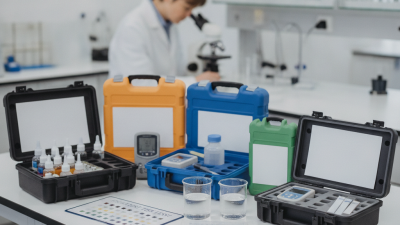
Another important factor is the design of your pH tester. A compact, lightweight model is beneficial for testing multiple water sources, such as kitchen taps and garden ponds. Look for testers that come with protective cases. This feature can prevent damage and enhance reliability over time.
Reading the specifications before making a purchase is advisable. Understanding the measurement range and response time can help you choose the right tester for your needs. It’s not uncommon to find discrepancies in readings. Always conduct tests on multiple samples for reassurance.
Tips for Accurate pH Testing and Maintenance
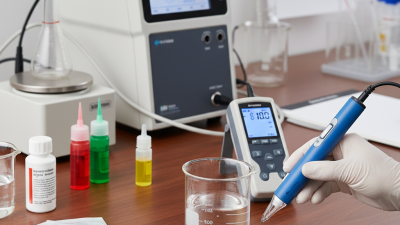
Maintaining accurate pH levels in drinking water is essential for health. To ensure precise results, you need to calibrate your pH tester regularly. Calibration should be done at least once a month or when you notice discrepancies in readings. Use pH buffer solutions for calibration, as they provide a reliable reference point.
The water sample must be at the right temperature. Temperature affects pH readings, so let it sit for a while if it's too cold or too warm. After testing, rinse the electrode with distilled water to prevent contamination. Storing the tester in a proper solution extends its life.
Sometimes, you might observe unexpected fluctuations. Such variations can stem from contaminants or malfunctioning equipment. Regular maintenance is key to ensuring consistent quality. Check for any physical damage, and replace worn parts as needed. This routine can help you avoid more significant issues down the line.