

•  

Why Do Buyers Need a Skin Tone Analyzer?

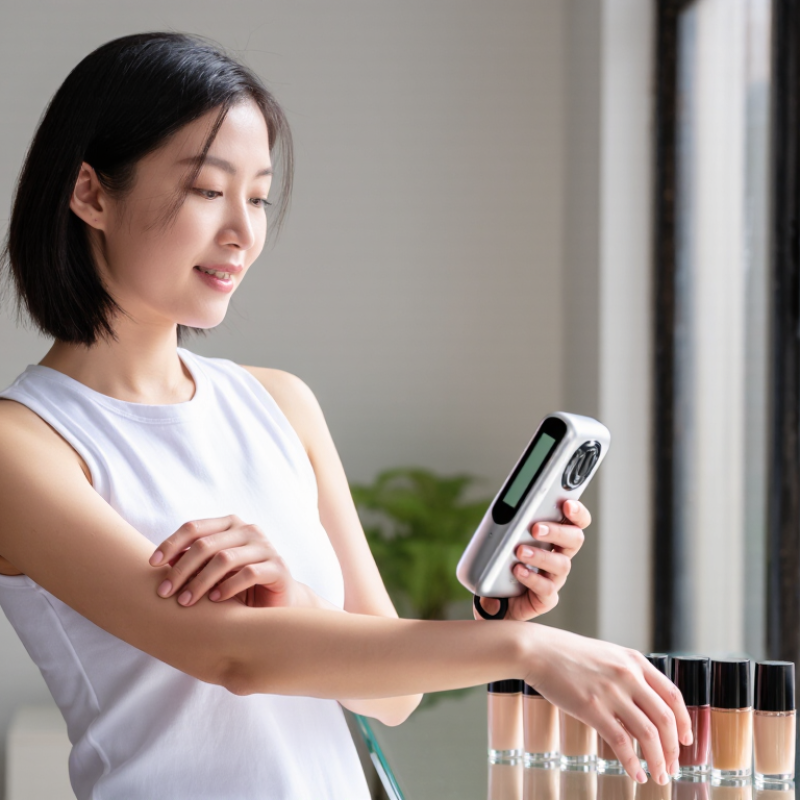
Choosing a foundation, concealer, or tinted moisturizer online can feel like a guessing game. Product photos often use studio lighting, while a shopper may be standing beside a window or under warm bathroom bulbs. A Skin Tone Analyzer can offer a more consistent starting point by assessing visible skin color and suggesting suitable shade ranges. Lighting matters. So does camera quality.

For buyers, this can make product comparisons clearer and reduce avoidable shade mismatches. A shopper might compare a suggested shade with a brand’s swatches, then check whether the product suits their preferred coverage and finish. Retailers can also use analyzer-guided recommendations to organize shade options and help customers navigate larger collections. That is useful. But the result is an estimate, not a guarantee. Skin can appear different across seasons, and redness, shadows, makeup, or a tinted screen may affect the reading. Not a verdict.

A dependable buying decision combines the tool’s suggestion with practical checks. Use a clean, makeup-free area when possible, follow the analyzer’s lighting instructions, and compare results with product descriptions or in-store samples. Buyers should also look for clear explanations of how the tool works and what its limits are. No analyzer gets every case right. That is worth remembering. Used thoughtfully, a Skin Tone Analyzer can make shade selection more informed, while leaving room for personal preference and careful judgment.
Why Do Buyers Need a Skin Tone Analyzer?

What a Skin Tone Analyzer Measures

What a Skin Tone Analyzer Measures

A skin tone analyzer records how skin reflects selected wavelengths of light. Its sensor converts reflected light into color data, often using values similar to those in digital imaging. Software may then estimate visible tone depth and undertone, such as warm, cool, or neutral. These are estimates, not medical findings. It is not magic. Results depend on the device and its calibration.

Some analyzers compare readings across areas, such as the cheek and jaw, to show differences in surface color. A few systems also track changes over time, but features vary. Buyers can use consistent readings to compare shades or product matches more carefully. Still, lighting, recent sun exposure, makeup, and even a flushed cheek can shift results. A neat number can look more certain than it really is.

Tips: Clean and dry the test area, then follow the device’s distance and lighting instructions. Take repeat readings in the same spot. If results conflict with what you see in natural daylight, treat the reading as a guide, not a verdict. Skin is variable, and the analyzer may miss that.

Why Do Buyers Need a Skin Tone Analyzer? — What a Skin Tone Analyzer Measures

A skin tone analyzer measures reflected skin color, often reporting CIELAB coordinates: L* (lightness), a* (green–red), and b* (blue–yellow). The chart shows commonly used Individual Typology Angle (ITA) category boundaries, calculated from L* and b*. These ranges are classification guidelines, not a diagnosis; categories and readings can vary with the measurement method, lighting, and skin site.

How a Skin Tone Analyzer Assesses Skin

A skin tone analyzer should measure the skin under controlled, even lighting—not guess from a selfie taken beside a sunny window. Many devices capture reflected light and compare color values across areas such as the cheek and jaw. Some estimate visible tone and undertone separately, but methods vary. CIE colorimetry standards offer a framework for describing color consistently; they do not make every consumer scan equally reliable. Lighting matters. Shadows, makeup, redness, and camera settings can shift the reading. I would repeat a scan in neutral light and treat small differences cautiously.

For buyers, the practical question is whether an analyzer handles a wide range of skin tones consistently. A 2022 Nature Medicine study evaluated dermatology AI using 656 clinical images spanning six Fitzpatrick skin types. The models showed weaker performance on darker skin, highlighting how limited representation can affect automated assessment. That study examined diagnostic AI, not shopping analyzers, so its results should not be applied directly. Still, it points to a useful buying check: look for transparent testing across diverse skin tones, clear lighting instructions, and a way to review results rather than accept one number as fact. Not a diagnosis. A scan can guide shade selection, but skin changes with sun exposure and irritation, and the reading may miss that context.

Why Buyers Use Skin Tone Analyzers

Buyers use skin tone analyzers to make product selection more consistent. A shopper may compare a foundation shade under bright store lights, then find it looks different near a window. An analyzer can record measurable color information and help teams compare samples under controlled conditions. That is useful when evaluating makeup shades, testing packaging claims, or reviewing product ranges for different skin tones.

Consistency matters. A buyer can ask whether measurements were taken with clean equipment, stable lighting, and a clear testing method. Results should be compared across multiple participants, not treated as a perfect description of everyone’s skin. Skin appearance can shift with lighting, temperature, and surface redness. Numbers help, but they do not tell the whole story. Small differences matter.

Buyers may also use analyzer data to spot gaps in a shade range before products reach store shelves. A side-by-side record can show where options cluster too closely or where a broader range may be needed. Still, the device is only as useful as its setup and interpretation. One reading can be misleading. Human review remains important, and honestly, that can make purchasing decisions slower. It can also make them more thoughtful.

How Skin Tone Analysis Supports Better Product Choices

A skin tone analyzer can turn a vague guess into a more informed product choice. Under warm bathroom lighting, a face may look more golden than it does beside a window. A calibrated reading can help shoppers compare undertones and shade depth when choosing foundation, concealer, or tinted skincare. It can also help retailers organize shade filters more clearly. Small details matter: a shade that looks close on a screen may appear gray or orange on the jaw.

Personalization has commercial relevance, but the evidence needs careful interpretation. McKinsey’s 2021 report, “The value of getting personalization right—or wrong—is multiplying,” found that 71% of consumers expected personalized interactions, while 76% felt frustrated when they did not receive them. Those figures describe personalization broadly, not skin analysis specifically. A tone reading should therefore guide a shortlist, not dictate a purchase. Lighting, recent sun exposure, and device cameras can all affect results. Try the shade along the jaw, check it in daylight, and allow time for oxidation. Useful, but not infallible.

Why Do Buyers Need a Skin Tone Analyzer? - How Skin Tone Analysis Supports Better Product Choices
Analysis Dimension What It Assesses Product Choice It Supports How It Helps Buyers
Skin depth The relative lightness or darkness of the visible skin tone, measured or categorized according to the analyzer’s own scale. Foundation, concealer, tinted moisturizer, and other complexion products. Helps narrow the shade range before testing, reducing reliance on broad labels such as “light” or “deep.”
Undertone Subtle color characteristics that may be described as warm, cool, neutral, or with another device-specific classification. Foundation, concealer, blush, and lip color. Provides an additional shade-matching cue. Buyers can still compare products on the skin because formulas and shade labels vary.
Color variation across the face Differences in visible color between measured areas, such as the cheek, forehead, and jawline. Foundation and concealer placement or shade selection. Shows why a single measurement may not represent the whole face and can guide where to test a product for a natural-looking match.
Surface redness or uneven-looking color Visible color differences in the measured area; this is a color observation, not a medical diagnosis. Color correctors, complexion products, and products intended to even the appearance of skin tone. Helps shoppers identify areas they may want to cover or balance without assuming the cause of the color difference.
Contrast between skin and product shades The visual difference between a person’s skin and a selected makeup shade or color family. Blush, bronzer, highlighter, lipstick, and eye makeup. Supports more informed comparisons of subtle versus high-contrast color choices; personal preference remains important.
Visible white cast in a sunscreen sample How noticeable a tested sunscreen appears on the user’s skin after application and settling. Sunscreen and makeup products that include sun protection. Can help buyers compare finish and appearance. Skin tone analysis does not determine the level of sun protection a person needs.
Repeatability of readings Whether measurements remain similar when taken again under consistent conditions. Any shade-matching or color-comparison decision. Encourages buyers to treat a result as a useful estimate and retest if lighting, camera settings, or skin preparation changes.
Results depend on the analyzer, lighting, measurement location, and skin preparation. Use readings as a starting point, then check product shades in suitable lighting when possible. A skin tone analyzer is not a diagnostic tool, and sun protection should be selected according to product directions and individual needs—not skin tone alone.

What Buyers Should Consider When Choosing an Analyzer

Why Do Buyers Need a Skin Tone Analyzer?

What Buyers Should Consider When Choosing an Analyzer

Choosing an analyzer starts with its intended use: product matching, salon consultation, or tracking visible skin changes. These tasks need different measurement ranges and reporting features. Ask how the device measures tone, whether it uses contact or non-contact sensing, and how often calibration is required. Request validation results across a broad range of skin tones, not just average accuracy. NIST’s 2019 Face Recognition Vendor Test report found that some algorithms had false-positive rates 10 to 100 times higher across certain demographic groups. That report concerns facial recognition, not skin analyzers, but it highlights why performance across populations deserves scrutiny.

Repeatability matters in daily work. Check whether readings change with room lighting, skin moisture, or sensor pressure. A practical trial can reveal issues that a specification sheet misses. Compare multiple readings on the same area, then test different users under consistent conditions. Review the display, data export options, maintenance needs, and staff training requirements. No instrument removes every source of variation.

Tips: Ask for sample reports and test procedures. Clean the sensor as directed, and keep lighting consistent. Record any conditions that may affect readings. A neat number can still mislead.