•  

Top Water Testing Tips for Homeowners to Ensure Safe Drinking Water

Access to safe drinking water is a fundamental right and a crucial component of public health. As homeowners increasingly recognize the importance of water quality, water testing has emerged as an essential practice to ensure that their drinking water is free from harmful contaminants. According to the Environmental Protection Agency (EPA), more than 77 million people in the U.S. rely on private wells, which are often susceptible to pollution and require regular testing to safeguard health. In light of these statistics, it is imperative for homeowners to be proactive in conducting water tests and understanding the potential risks associated with untreated sources.

Dr. Sarah Jenkins, a leading expert in environmental health, emphasizes, “Water testing is not just a precaution; it’s a necessity for every homeowner who wants to protect their family from waterborne illnesses and contaminants.” This statement underscores the critical need for awareness and action. With specific contaminants such as lead, nitrates, and bacteria posing serious health risks, regular water testing can help identify issues before they escalate. By following top water testing tips, homeowners can ensure their drinking water remains safe and clean, reinforcing their commitment to the well-being of their families and communities.
Top Water Testing Tips for Homeowners to Ensure Safe Drinking Water

Understanding the Importance of Water Testing for Homeowners

Safe drinking water is essential for homeowners, and understanding the importance of water testing is a crucial step towards ensuring water quality. Various contaminants, such as bacteria, heavy metals, and chemicals, can infiltrate a home's water supply through aging pipes, surrounding soil, or even municipal water systems. Regular water testing helps identify these potential hazards, allowing homeowners to take immediate action to protect their health and well-being.

One effective tip for homeowners is to schedule regular water tests, ideally at least once a year. This proactive approach can help catch any emerging issues before they become significant problems. Furthermore, it's important to diversify testing methods: consider both simple at-home kits for immediate checks and professional laboratory services for comprehensive analysis. Homeowners should also keep records of test results to track changes over time, which can be helpful in identifying patterns or recurring issues.

Another vital tip is to pay attention to any unusual changes in water quality, such as discoloration, strange odors, or alterations in taste. These changes can be indicative of contamination and should prompt immediate testing. Additionally, if you’ve recently experienced flooding or live in an area with geological instability, it’s wise to conduct tests more frequently. By remaining vigilant and informed, homeowners can ensure the safety of their drinking water and protect their families from potential health risks.
Common Contaminants Found in Household Water Supplies

When it comes to ensuring safe drinking water, homeowners should be aware of the common contaminants that can lurk in their household water supplies. According to the Environmental Protection Agency (EPA), around 15% of community water systems in the United States contain harmful levels of contaminants including lead, nitrates, and volatile organic compounds (VOCs). Lead, in particular, poses a significant risk, especially in older homes where pipes may have corroded, allowing toxic metal to leach into drinking water. Long-term exposure to lead can lead to serious health issues, particularly in children, manifesting as developmental delays and learning difficulties.

Another prevalent contaminant is nitrates, primarily stemming from agricultural runoff or improperly maintained septic systems. The World Health Organization (WHO) has noted that when nitrate levels exceed 10 mg/L, it poses a serious risk of methemoglobinemia, or "blue baby syndrome," which can interfere with the blood's ability to carry oxygen in infants. Additionally, volatile organic compounds from common household items like paints and cleaning products can seep into groundwater, contributing to water quality degradation. The recent National Water Quality Assessment found that over 20% of tested well water samples contained VOCs above health advisory levels, underscoring the importance for homeowners to employ regular testing and filtration solutions to safeguard their drinking water.

Essential Water Testing Methods and Tools for Home Use

Top Water Testing Tips for Homeowners to Ensure Safe Drinking Water

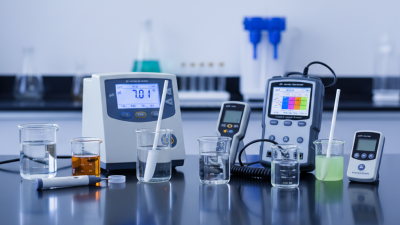
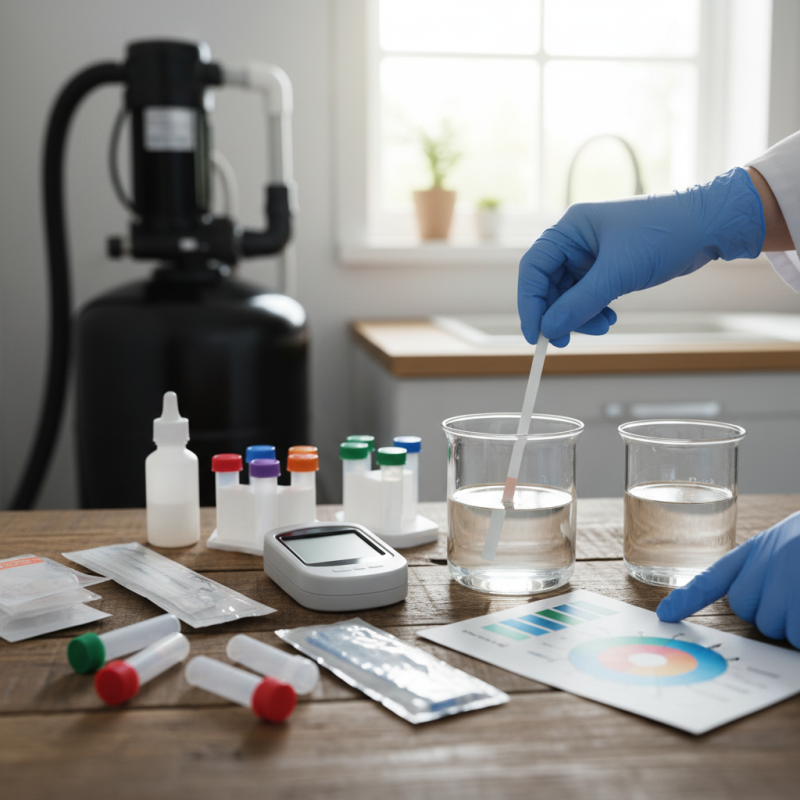
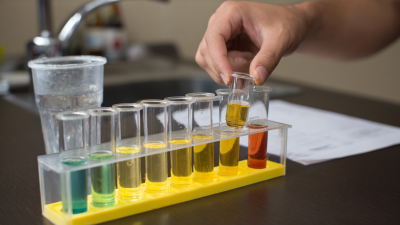
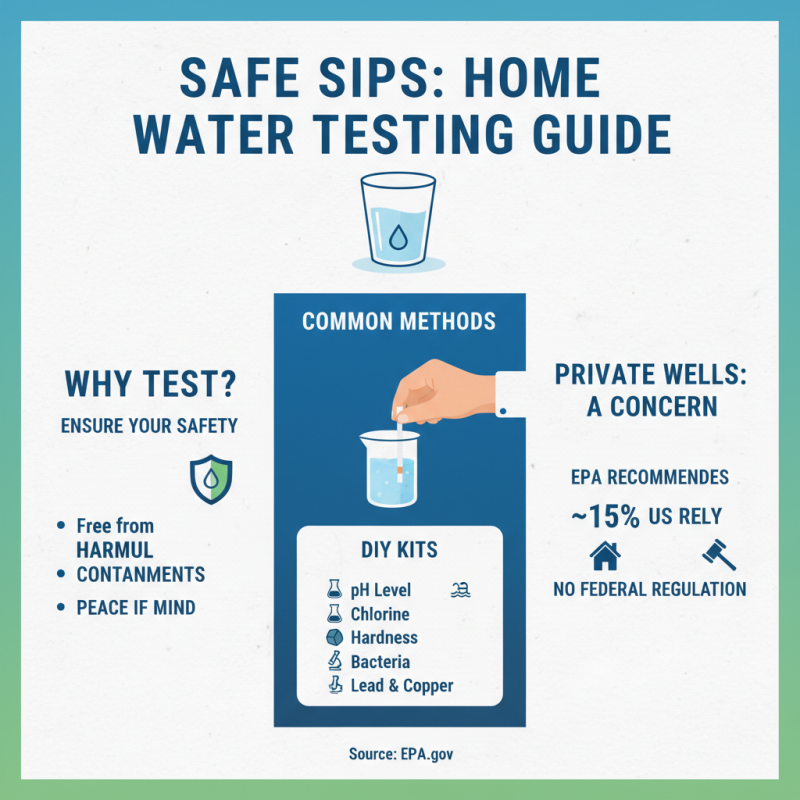
Testing your water at home is a crucial step in ensuring that your drinking water is safe and free from harmful contaminants. Homeowners can utilize various testing methods to analyze their water quality effectively. One commonly recommended approach is to use a water testing kit, which is designed to detect common issues such as pH levels, chlorine, hardness, bacteria, and heavy metals like lead and copper. According to the Environmental Protection Agency (EPA), nearly 15% of the nation’s population relies on private wells, which are not subject to federal regulations, making personal testing vital for their safety.

In addition to commercial testing kits, more advanced tools such as digital water testers and lab-quality analyzers can provide precise measurements. These instruments often exhibit a higher sensitivity for detecting pollutants that can affect water safety, including nitrates and bacteria. A 2020 report from the American Water Works Association revealed that about 77 million Americans receive drinking water contaminated with lead at levels greater than suggested guidelines. Regular testing for these contaminants is essential for homeowners, particularly those with older plumbing systems. By understanding and utilizing these methods and tools, homeowners can take proactive measures to safeguard their drinking water and overall health.

Interpreting Water Test Results: What Homeowners Need to Know

Interpreting water test results is crucial for homeowners who want to ensure their drinking water is safe. When you receive your water test results, the first step is to understand the parameters being measured. Common aspects include pH levels, the presence of harmful contaminants like lead, bacteria, nitrates, and chlorine. Each of these elements can affect water safety and quality in different ways, with some, like lead, posing serious health risks even at low concentrations. It’s important to familiarize yourself with the safe limits set by health authorities to accurately assess your results.

Another key consideration is understanding the context of your test results. For instance, if your water has high nitrate levels, it may be linked to agricultural runoff, while elevated lead levels could indicate aging pipes in your home. Homeowners should also consider the water source; municipal water generally undergoes rigorous testing, while private wells might require more frequent monitoring. If your results indicate that your water quality falls below safe guidelines, taking appropriate action—such as installing a water filtration system or seeking professional advice—is essential to protect your health and ensure your family's safety.

Top Water Testing Tips for Homeowners to Ensure Safe Drinking Water

Parameter Recommended Levels Health Effects Testing Frequency
pH Level 6.5 - 8.5 Corrosive water can leach metals; too alkaline may reduce effectiveness of disinfection. Annually
Lead 0 ppb Neurological effects in children; high blood pressure in adults. Every 3 years
Nitrates < 10 mg/L Can cause methemoglobinemia or 'blue baby' syndrome. Annually
Coliform Bacteria Absent Indicates possible contamination by harmful bacteria. Twice a year
Arsenic < 10 ppb Carcinogen; affects skin, bladder, and lung health. Every 3 years

Preventive Measures to Maintain Safe Drinking Water at Home

Ensuring safe drinking water at home requires proactive measures that directly impact water quality. According to the Environmental Protection Agency (EPA), approximately 15% of U.S. households rely on private wells, which are not regulated under the Safe Drinking Water Act. This makes regular testing and maintenance critical to prevent contamination arising from bacteria, nitrates, or heavy metals. Homeowners should test water at least annually. Frequent testing can help identify harmful substances early and ensure timely remedial actions.

Additionally, water treatment systems, such as filtration or reverse osmosis, should be maintained regularly to mitigate contaminants. The Centers for Disease Control and Prevention (CDC) emphasizes the importance of understanding local water sources and potential risks associated with them. Homeowners should also inspect their plumbing systems for corroded pipes, which can leach toxic substances like lead into drinking water.
Implementing these preventive measures not only enhances the safety of drinking water but also promotes overall public health within communities.