What is a Water Test Kit and How Does It Work for Home Testing
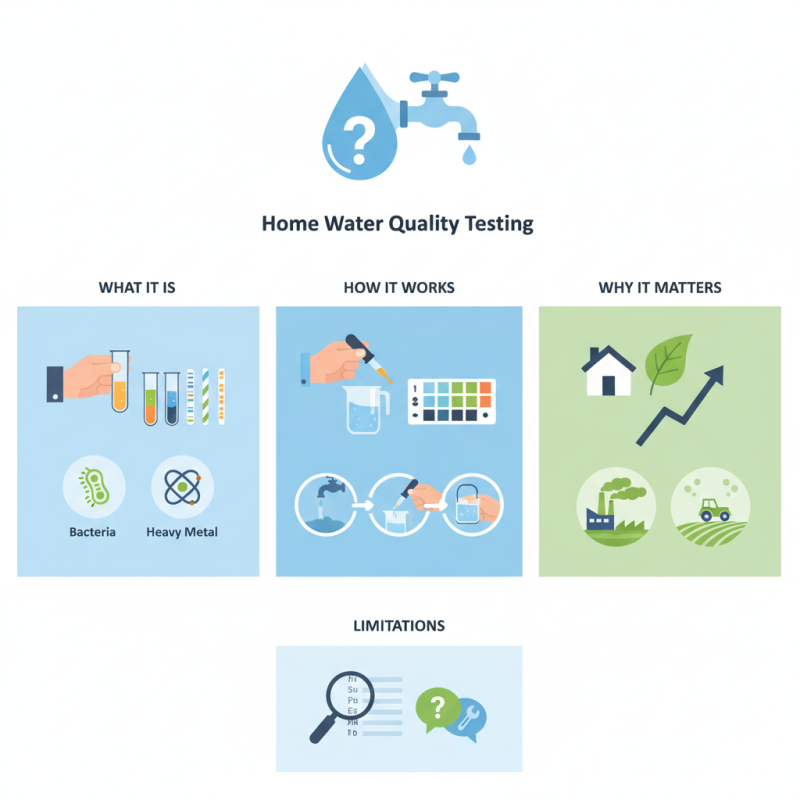
A water test kit is an essential tool for homeowners who want to ensure their water quality. These kits can detect harmful contaminants, such as bacteria and heavy metals, which may be present in tap water. By using a water test kit, individuals can take control of their health and safety.
Proper testing can reveal potential issues that might otherwise go unnoticed. Regular use of a water test kit can help identify trends in water quality. This can be particularly important for homes near industrial areas or agricultural lands.
However, users must understand the limits of these kits. They may not test for every possible contaminant. Results can vary based on the testing method and environmental factors. This emphasizes the need for periodic evaluations and professional assessments when necessary.
What is a Water Test Kit?
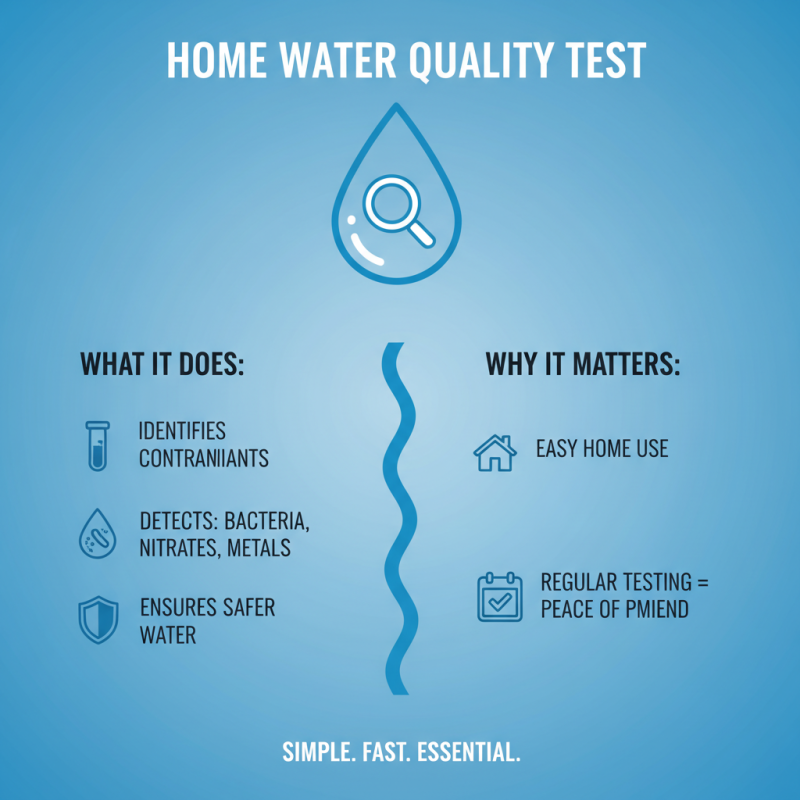
A water test kit is a simple tool designed for home use. It enables individuals to check the quality of their water. These kits can identify potential contaminants such as bacteria, nitrates, or heavy metals. Understanding the composition of your water is essential. Often, people overlook the need for regular testing.
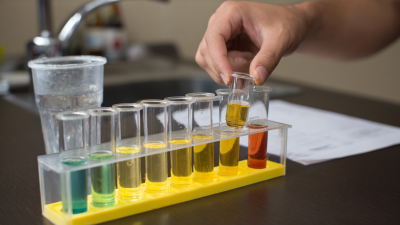
Using a water test kit is straightforward. Most kits come with easy-to-follow instructions. Users typically collect a water sample and add specific reagents. Color changes in the sample indicate the presence of certain substances. This method helps homeowners gain insight into their water quality. However, results can sometimes be confusing. Misinterpretation of colors can lead to unnecessary worry.
Not every test kit is comprehensive. Some may miss crucial contaminants. Additionally, several factors can affect test results, such as temperature or sample handling. Without proper guidance, results can be misleading. It's vital to understand the limitations of these kits. Regular testing is beneficial, but awareness of its challenges is equally important.
Components of a Typical Water Test Kit
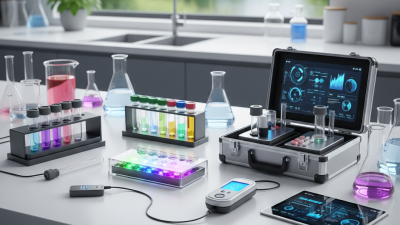
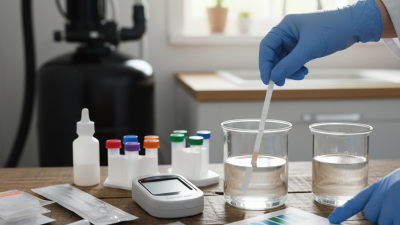
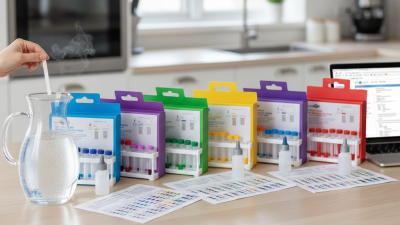
Water test kits are essential for homeowners concerned about water quality. A typical kit often includes several key components, such as test strips, tubes, and a color chart. Test strips are particularly useful for quick assessments. They can detect common contaminants like lead, chlorine, and nitrates. According to a study by the Environmental Protection Agency, contaminated water affects approximately 15% of U.S. homes.
In addition to test strips, many kits come with comparison charts. These charts help users interpret results accurately. Color changes on the strip indicate the concentration of contaminants. Tubes are also vital, allowing for more detailed testing of samples. Some kits even include reagents that react with specific pollutants.
Users often overlook the importance of follow-up tests. Initial results may show acceptable levels, but water can change over time. A report from the World Health Organization notes that seasonal variations can impact water quality significantly. Regular testing, ideally quarterly, can reveal hidden issues. Homeowners should approach their water testing with diligence, as results can guide important decisions about health and safety.
What is a Water Test Kit and How Does It Work for Home Testing - Components of a Typical Water Test Kit
| Component |
Function |
Typical Parameters Tested |
Testing Method |
| Water Sample Container |
Holds water sample for testing |
N/A |
N/A |
| Test Strips |
Indicate levels of specific contaminants |
pH, Chlorine, Nitrate, Nitrite |
Dip in water, compare color change |
| Chemical Reagents |
React with water to produce measurable results |
Lead, Iron, Hardness |
Add reagent, observe color reaction |
| Color Comparator Chart |
Used to match color changes |
N/A |
N/A |
| Digital Meter |
Measures levels of pollutants electronically |
pH, TDS, EC |
Insert probe into water |
Types of Water Tests Conducted at Home
When it comes to home water testing, several vital types of tests are frequently conducted. One common test checks for bacteria, especially coliform bacteria. According to the Environmental Protection Agency (EPA), the presence of coliform indicates potential contamination. This test can be done easily with a simple kit. Results typically take 24 to 48 hours, which can feel like a long wait when your health is at stake.
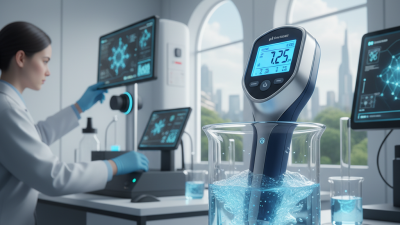
Another important test examines pH levels. The ideal pH for drinking water ranges from 6.5 to 8.5. A pH that falls outside this range can lead to corrosion or scaling in pipes. Some home kits provide instant results, contributing to better awareness of water quality. However, many homeowners may overlook this test, not realizing its significance.
Test kits can also assess the levels of heavy metals. Lead and arsenic are two hazardous elements often found in contaminated water. The EPA states that exposure to these metals can have serious health consequences. Still, many households remain unaware of their water’s chemical makeup. While home testing is a proactive measure, a surprising number of tests yield unexpected results, prompting deeper investigation.
Step-by-Step Guide to Using a Water Test Kit
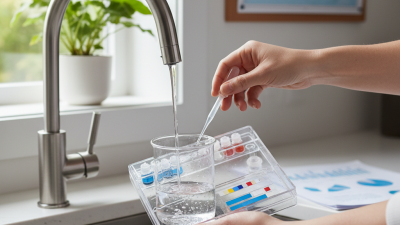
Using a water test kit at home can seem daunting, but it is quite manageable. The first step is to collect a water sample. Choose a clean container, like a bottle, and fill it with water. It’s important to capture the sample from the tap you want to test. Avoid using containers that might have chemical residues. This can affect your results.
Next, follow the instructions provided with your kit. Most kits include test strips or chemicals that react with contaminants. Dip the test strip into the water. Wait for the recommended time, usually just a few seconds. The colors that develop indicate various pollutants. Compare these colors to the provided chart. If any levels are concerning, it might be wise to consider further testing or take precautionary measures.
Remember, results are not always perfect. Sometimes, you may find unexpected readings. This could be due to user error or kit limitations. If results doubt you, seek professional help. Testing your water is a valuable habit, but it requires care and reflection to ensure safety and accuracy.
Interpreting Water Test Results and Next Steps
Interpreting water test results can be tricky. Once you obtain readings from a water test kit, understanding them is essential. Results often come in numerical values. They indicate the presence of contaminants such as bacteria, lead, or nitrates. High levels in any category can be alarming. It’s vital to take a closer look at these numbers.
Not every result is straightforward. For example, a high pH level may not indicate a problem by itself. It could affect taste and plumbing but not health. On the other hand, elevated lead levels are a serious issue. They require immediate action. If you have any concerns, consider consulting a professional. Simple readings can lead to complex decisions.
Next steps depend on your findings. If contaminants are present, think about treatment options or even alternative water sources. Regular testing is beneficial, especially if you notice changes in taste or color. Documentation is key; keep records of your results. Reviewing these over time can reveal patterns. This process encourages accountability. It also fosters a deeper understanding of your water quality.