How to Use a Home Water Test Kit to Ensure Safe Drinking Water?
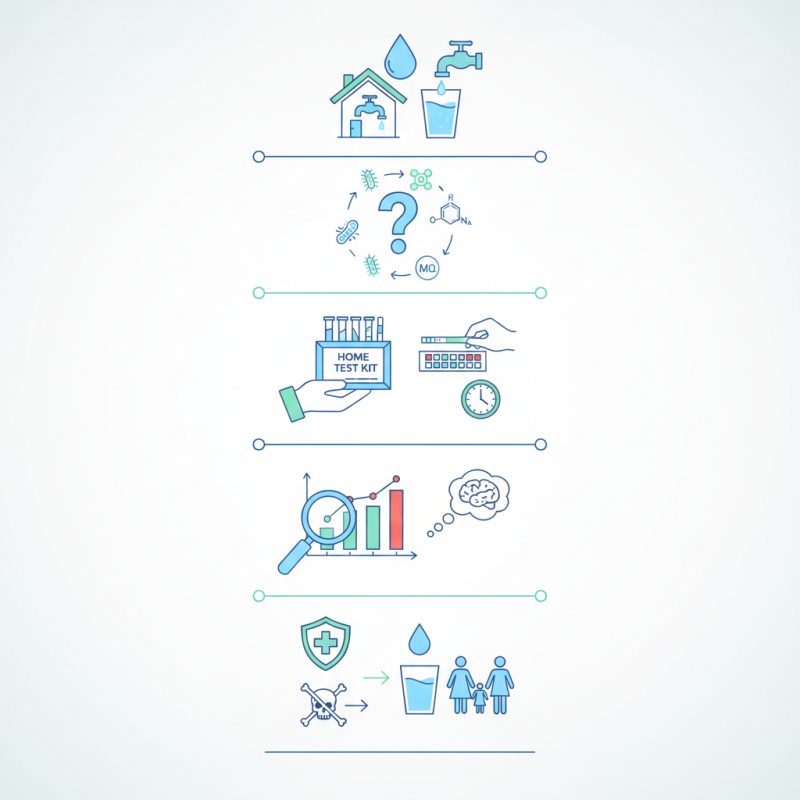
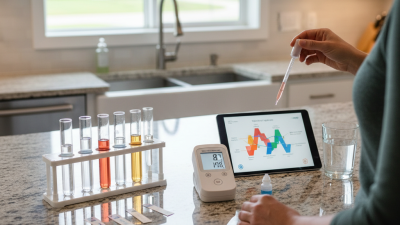
Ensuring safe drinking water is a priority for every household. Contaminated water can pose serious health risks. A home water test kit is a valuable tool for testing your water quality. It can help you identify harmful substances that may lurk in your tap water.
Using a home water test kit provides a straightforward way to secure your family's health. Each kit typically includes various tests for chemicals, bacteria, and heavy metals. Most people may find the process daunting, but it is often simple and quick. However, not every kit is created equal. It’s essential to choose a reliable product and follow instructions carefully.
Interpreting the results may require some effort. Some tests yield complex data that can be hard to understand. Reflecting on the findings is crucial. If a test shows unsafe levels, it is essential to seek further assistance. Ignoring these results could have serious consequences for your health.
Understanding the Importance of Home Water Testing
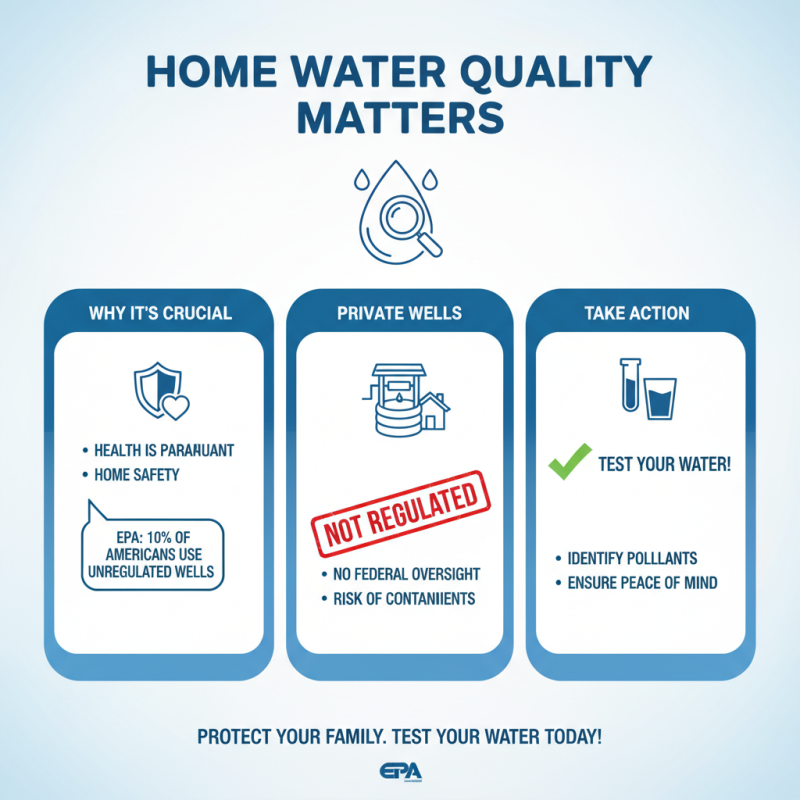
Understanding the quality of your drinking water is essential for health. Many people overlook this vital aspect of home safety. According to the Environmental Protection Agency (EPA), nearly 10% of Americans rely on private wells that are not regulated. This makes home water testing crucial.
Common contaminants include lead, bacteria, and nitrates. The Centers for Disease Control and Prevention (CDC) reports that these substances can lead to serious health issues. Regular testing helps identify risks. Remember, drinking water quality can change over time.
**Tip:** Test your water at least annually. Pay close attention after heavy rains or flooding. These events can disturb contaminants.
Many people might assume their water is safe. This assumption can be dangerous. Couples and families may notice some changes in taste or odor but ignore them. These signs could hint at underlying problems. Professional testing can be costly. Home testing kits provide a practical solution. They are simple to use and can detect multiple toxins.
**Tip:** When using a test kit, follow the instructions carefully. Make sure to take samples correctly for accurate results. Do not skip steps; they matter. After testing, reflect on the results. Even if they are good, retesting is wise every few years.
Types of Contaminants Commonly Found in Tap Water
Tap water can contain various contaminants, which may pose health risks. Understanding these common problems is essential for safe drinking. Common contaminants include bacteria, heavy metals, chlorine, and pesticides. These substances can enter water sources through different means, like agricultural runoff or old pipes. Knowing their presence is crucial.
Many people overlook the importance of testing for lead and nitrates. Lead can leach from old plumbing, damaging health, especially in children. Nitrates often come from agricultural fertilizers and can cause serious issues. Regular testing for these pollutants helps ensure safe water. It's better to be proactive than reactive.
For effective testing, always compare lab results with health guidelines. Keep an eye out for changes in taste, color, or odor. Sometimes, visual cues hint at larger problems. If results show contaminants, consider additional filtering. Regular maintenance of water systems can guard against unseen dangers. This process requires attention and persistence, but safe drinking water is worth the effort.
Steps to Prepare for Water Testing at Home
Preparing for water testing at home is crucial for ensuring safe drinking water. Start by gathering all necessary tools. You'll need a clean container for water samples, testing strips, and a notebook. Choose the right time for testing, preferably early morning. This is when your tap hasn’t been used for several hours.
Clean your workstation while keeping distractions away. Before collecting your sample, run the tap water for a few minutes. This helps in getting a more accurate reading. Fill your clean container to the designated line. Make sure not to touch the inside of the container or cap. This step can often be overlooked, but it is vital.
After collecting samples, follow the instructions carefully. Pay attention to timing and temperature requirements. Sometimes, confusion arises over how long to wait for results. Be patient and note your observations in your notebook. If results show concerning levels, take a moment to reflect on your water source. Consider potential changes that may have led to these results. It’s an important learning process.
How to Properly Use a Home Water Test Kit
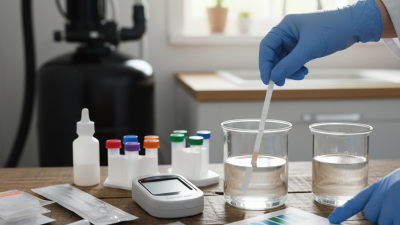
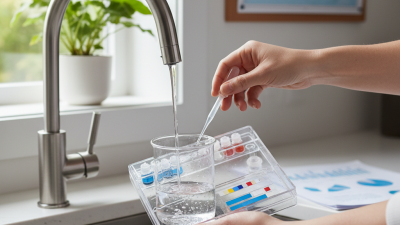
Using a home water test kit can be straightforward if you follow some guidelines. Start by reading all instructions carefully. Each kit has different procedures. Make sure to wear gloves when needed. Collect water samples accurately as directed. This minimizes contamination.
Tips: Clean the sampling area before you begin. This helps maintain sample integrity.
After collecting, follow the timing guidelines precisely. You may need to wait a few minutes for results. Don’t rush this process. If results show contaminated water, it’s vital to take action. Sometimes, kits can show confusing results. Don't hesitate to double-check if something seems off.
Tips: Document your results clearly. This can help you track changes over time. Comparing results can show patterns in water quality. Always store your kit properly for future tests. Moisture can damage components.
Using a home water test kit is an important step toward safe drinking water. Yet, knowing how to interpret the results is crucial. Familiarize yourself with common water contaminants. This knowledge helps in making informed decisions.
Interpreting Test Results and Taking Action
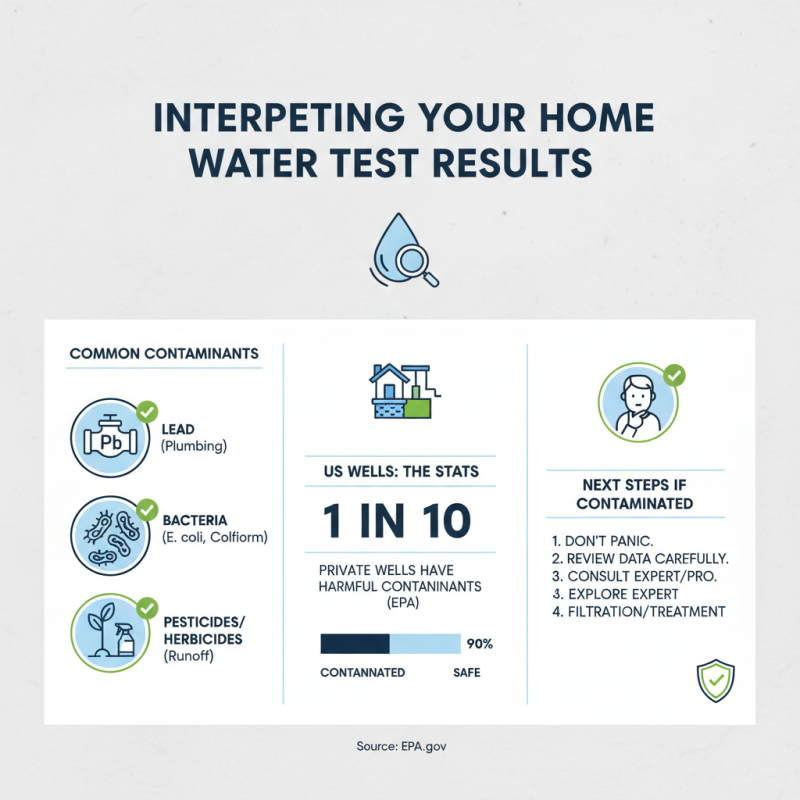
After testing your water, interpreting the results is crucial. Many home water test kits can check for contaminants like lead, bacteria, and pesticides. According to the Environmental Protection Agency (EPA), over 10% of private wells in the U.S. contain harmful levels of contaminants. If your results indicate issues, do not panic but assess the data carefully.
For example, if lead is detected above 15 parts per billion (ppb), action is needed. This could mean replacing old pipes or installing a filtration system. However, some people ignore minor contaminant levels, thinking they are safe. In reality, low-level exposure can accumulate over time, posing risks to health. The CDC states that children are particularly vulnerable to these harms.
When it comes to bacteria, the absence of coliform bacteria is essential. Positive results mean water may be unsafe. Short-term solutions, like boiling water, can help, but longer-term fixes are necessary. Testing again after remediation is advisable to ensure lasting safety. Regular testing remains important, as water quality can fluctuate due to various factors. Consider this a routine that demands attention, rather than a one-time task.