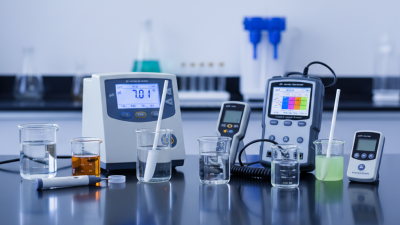
Top 10 Water Quality Test Kits for Accurate Home Testing in 2023
As concerns about water safety continue to rise, the importance of having a reliable water quality test kit at home has never been more crucial. These kits empower individuals to monitor the quality of their drinking water and ensure it meets safe consumption standards. With various contaminants potentially lurking in both municipal and well water supplies—from harmful bacteria and heavy metals to chemical pollutants—having the right tools at your disposal allows for quick detection and peace of mind.
In 2023, the market for water quality test kits has expanded significantly, offering consumers an array of options tailored to various needs and preferences. Whether you’re a homeowner wanting to verify the purity of your tap water or an outdoor enthusiast needing to test a natural water source, there is an ideal solution for everyone. This article will explore the top 10 water quality test kits available, highlighting their features, ease of use, and accuracy. By choosing the right water quality test kit, you can take proactive steps towards safeguarding your health and ensuring that your water supply remains safe and clean.
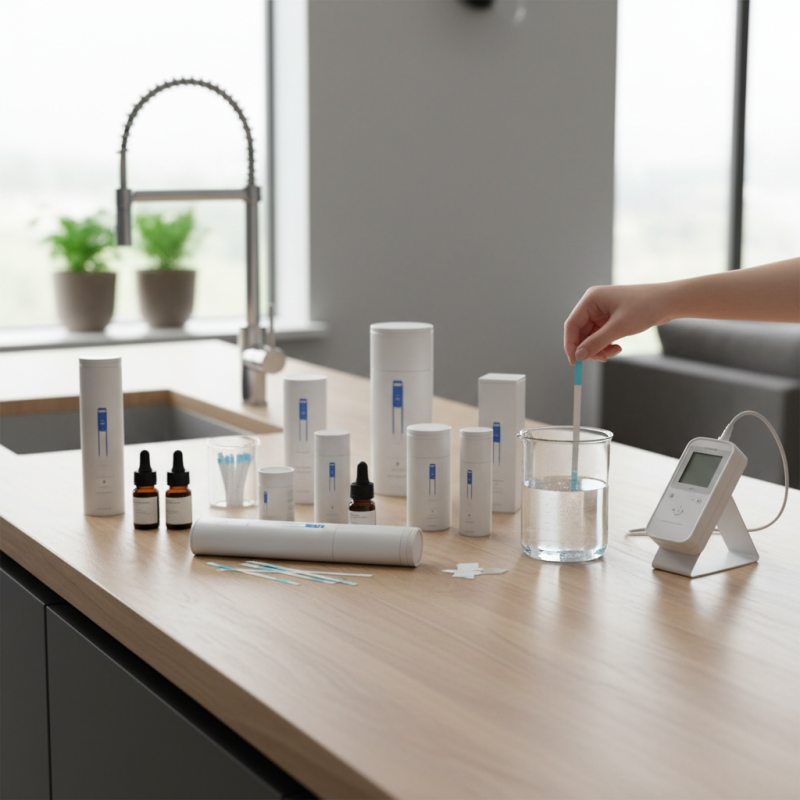
Overview of Water Quality Testing and Its Importance
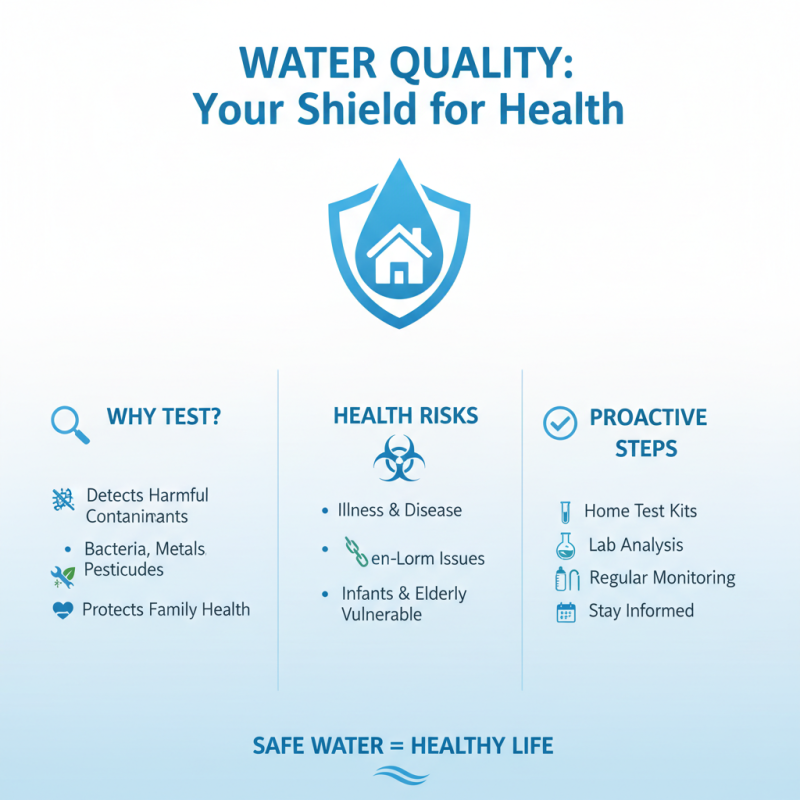
Water quality testing is a critical process that ensures the safety and health of our drinking water. Contaminants such as bacteria, heavy metals, and pesticides can pose serious threats to human health, and therefore, regular testing is essential. By monitoring the quality of water at home, individuals can detect harmful substances before they impact their health or that of their loved ones. This proactive approach not only safeguards personal health but also promotes a greater awareness of environmental concerns related to water safety.
The importance of water quality testing extends beyond personal safety; it plays a significant role in community health and environmental sustainability. Poor water quality can lead to outbreaks of waterborne diseases, which can strain public health resources. Moreover, understanding local water quality issues encourages communities to engage in conservation efforts and advocate for better environmental policies. Accessible home testing kits empower individuals to take charge of their water safety, providing essential data that can inform decisions regarding water treatment and usage. In this way, water quality testing serves as a vital tool in promoting public awareness and responsibility toward one of our most precious resources.
Key Factors to Consider When Choosing a Water Quality Test Kit
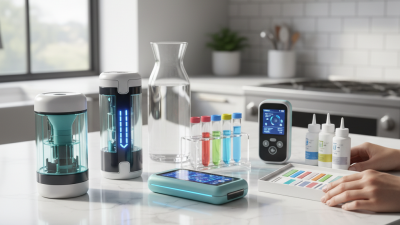
When choosing a water quality test kit for home use, several key factors should be taken into account to ensure accurate and reliable results. First, consider the types of contaminants you need to test for. Various kits are designed to measure different parameters, including pH levels, chlorine, nitrates, heavy metals, and bacteria. Understanding your specific water quality concerns will help narrow down the selection to those that best meet your needs.
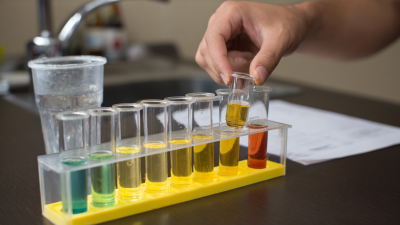
Another essential factor is the ease of use. Look for kits that provide clear instructions and require minimal technical expertise. User-friendly kits often come with color charts for easy interpretation of results and sometimes include digital technology for more accurate readings. Additionally, consider the testing method—some kits involve simple strips while others may use more complex solutions. Your comfort level with these methods will influence your choice.
**Tips:** When selecting a kit, check for certifications that ensure accuracy and reliability. Also, consider the shelf life of the testing materials; expired kits may yield unreliable results. Lastly, look into customer reviews to assess real-world usability and effectiveness, which often provide insights beyond the specifications.
Top 10 Water Quality Test Kits for Home Use in 2023
In recent years, the importance of water quality testing at home has gained significant traction, especially considering that water contaminants can pose serious health risks. According to a report by the Environmental Protection Agency (EPA), over 40% of U.S. lakes are too polluted for swimming, fishing, or aquatic life. This alarming statistic underscores the necessity for homeowners to take proactive measures in ensuring their water is safe for consumption.
When choosing a water quality test kit, several key factors should be considered. The kit should accurately test for the most common contaminants, including bacteria, heavy metals, and chemical pollutants. Various studies suggest that kits capable of detecting multiple parameters are preferable, offering comprehensive insights into water purity. Recent data indicate that over 60% of households are concerned about lead contamination, making lead testing a crucial feature in any water quality kit.
**Tips:** When using a test kit, ensure you follow the instructions meticulously to achieve reliable results. Additionally, it’s recommended to conduct tests at different times and under various conditions to capture a broader understanding of water quality. Regular testing, ideally every 6 months, can help track changes in water safety over time, ensuring your household remains protected from potential hazards.
Top 10 Water Quality Test Kits for Accurate Home Testing in 2023
| Test Kit |
Test Parameters |
Accuracy |
Ease of Use |
Price ($) |
| Kit A |
pH, Chlorine, Nitrate |
±0.1 |
Very Easy |
49.99 |
| Kit B |
Lead, pH, Iron |
±0.01 |
Moderate |
39.99 |
| Kit C |
Total Dissolved Solids, pH |
±2 ppm |
Easy |
34.99 |
| Kit D |
Hardness, Chlorine |
±5 mg/L |
Very Easy |
44.99 |
| Kit E |
Fluoride, pH |
±0.01 |
Moderate |
29.99 |
| Kit F |
Nitrate, Nitrite |
±0.05 |
Very Easy |
54.99 |
| Kit G |
Bacteria Test, pH |
Reliable |
Easy |
59.99 |
| Kit H |
Chlorine, pH |
±0.1 |
Very Easy |
39.99 |
| Kit I |
Arsenic, pH |
±0.05 |
Moderate |
69.99 |
| Kit J |
Lead, Nitrate |
±0.01 |
Easy |
74.99 |
Comparison of Features and Pricing for Each Test Kit
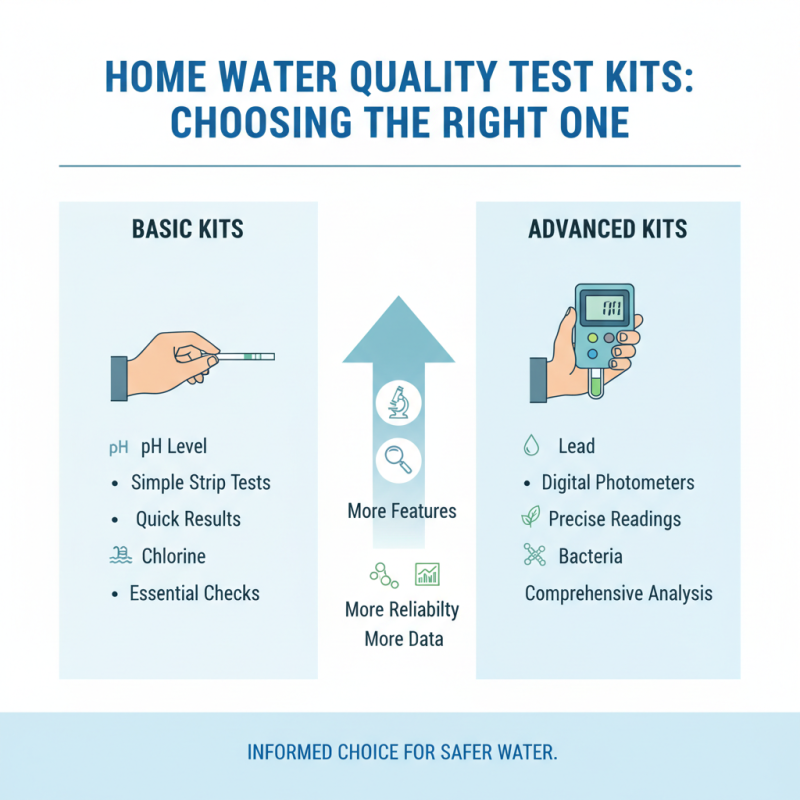
When selecting a water quality test kit, it's essential to compare the features that each kit offers to ensure accurate home testing. Different kits provide varying levels of analysis, ranging from basic tests for pH and chlorine levels to more comprehensive assessments that include parameters like lead, nitrates, and bacteria. This variation in features can significantly influence your choice depending on the specific contaminants you suspect in your water supply. Kits that offer more detailed testing often come equipped with advanced technologies such as photometers, making them more reliable in providing precise results.
Pricing also plays a crucial role in choosing the right water quality test kit. While some budget-friendly options provide basic testing capabilities, investing in a more expensive kit could offer greater accuracy and a wider range of tests. Additionally, consider the cost of replacement test strips or reagents, which may not be immediately apparent in the initial purchase price. Overall, balancing features with pricing will help you select a water quality test kit that meets your needs while ensuring safe and reliable testing at home.
User Reviews and Recommendations for the Best Water Test Kits
When it comes to ensuring safe drinking water, the use of home water quality test kits has become increasingly popular among homeowners. Recent studies indicate that approximately 10% of the households in the United States rely on private wells for their drinking water, making regular testing crucial to avoid health risks associated with contaminants. User reviews highlight that the best water test kits not only offer accurate readings but are also easy to use, providing users with peace of mind. A report from the Environmental Protection Agency suggests that even trace elements, such as lead and nitrate, can significantly impact health, emphasizing the importance of rigorous testing through reliable kits.
Consumer feedback showcases that many users appreciate kits that test for a variety of parameters, including pH, hardness, chlorine levels, and the presence of bacteria. According to a survey conducted by the Water Quality Association, consumers frequently recommend user-friendly kits that come with comprehensive guides for interpreting results. This feedback is crucial, as proper understanding of test results allows for timely and effective measures to ensure water safety. Testing should not be seen as a one-time task; regular assessments are recommended, especially in areas prone to contamination. As awareness grows, enthusiasts are increasingly turning to reviews and recommendations to choose the best kits that can meet their specific needs and concerns regarding water quality.
Top 10 Water Quality Test Kits - pH Level Comparison in 2023