Top 10 Tap Water Test Kits for Safe Drinking Water at Home
Access to clean and safe drinking water is a fundamental necessity, yet many households remain unaware of the potential contaminants that could be present in their tap water. According to the Environmental Protection Agency (EPA), contaminants in drinking water can stem from various sources, including aging infrastructure, agricultural runoff, and industrial activities. Reports indicate that millions of Americans are exposed to unsafe levels of pollutants, which can lead to serious health risks. This underscores the vital importance of regularly testing tap water to ensure its safety.
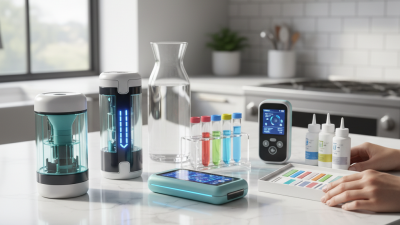
To address these concerns, tap water test kits have emerged as valuable tools for homeowners. These kits empower individuals to conduct comprehensive analyses of their water quality, often screening for common contaminants such as lead, chlorine, bacteria, and nitrates. In fact, a study conducted by the Water Quality Association highlighted that home testing can significantly increase awareness and proactive measures taken by consumers. With the variety of testing solutions available, selecting the right tap water test kit becomes essential for ensuring that families are drinking safe, clean water. This guide will explore the top 10 tap water test kits, providing insights into their effectiveness and ease of use, helping consumers make informed decisions regarding their water safety.
Understanding the Importance of Testing Tap Water Quality
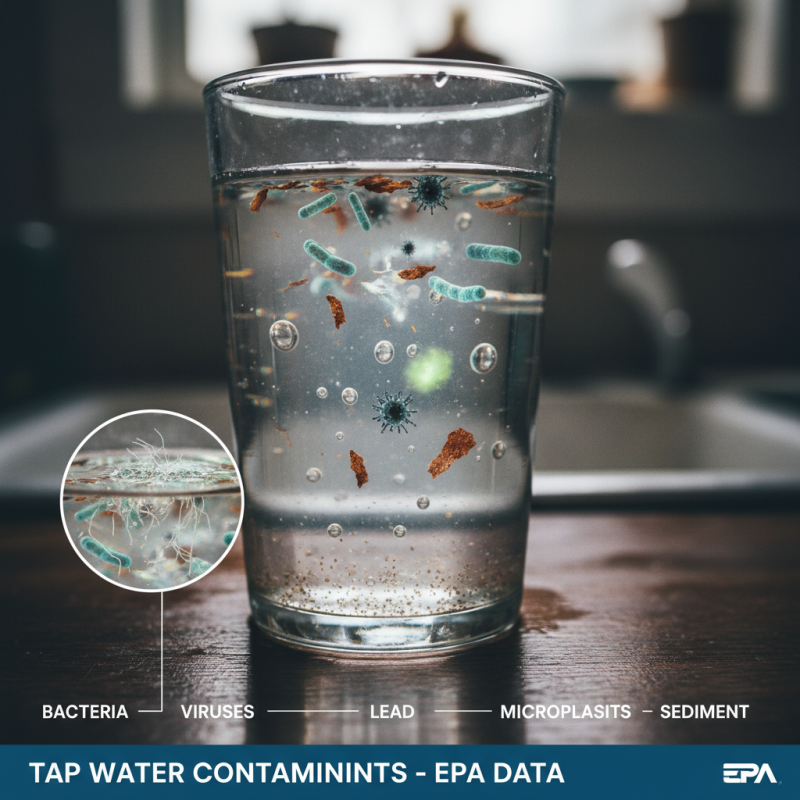
Understanding the quality of tap water in our homes is crucial, as it directly impacts our health and well-being. According to the U.S. Environmental Protection Agency (EPA), more than 300 contaminants can potentially be found in drinking water, ranging from bacteria to heavy metals like lead and mercury. The presence of these substances can lead to serious health issues, particularly for vulnerable populations such as children and pregnant women. Recent studies indicate that nearly 10% of U.S. households using private wells may have water that fails to meet health-based standards, underscoring the importance of regular testing.
Testing your tap water not only helps to identify harmful contaminants but also provides peace of mind about the safety of your drinking water. Research conducted by the National Water Quality Monitoring Council revealed that even municipal water systems, which are generally regulated, can sometimes experience contamination events. A significant portion of these incidents goes unreported, leaving residents unaware of potential risks. By investing in a reliable tap water test kit, homeowners can take proactive steps to monitor their water quality, ensuring it meets the necessary safety standards and supporting informed decisions about water consumption.
Key Contaminants Found in Tap Water and Their Health Risks
Tap water may seem like a safe option for drinking, but it can often harbor various contaminants that pose potential health risks. Common contaminants include heavy metals like lead and mercury, which can leach into water supplies from aging plumbing or industrial discharges. Even at low levels, lead exposure can lead to developmental issues in children and can affect organ function in adults. Mercury exposure, primarily through drinking water contaminated by industrial processes, can impair neurological and kidney function.
Another significant concern is microbial contaminants, such as bacteria, viruses, and parasites. These microorganisms can originate from sewage overflows, agricultural runoff, or improperly treated water sources. Illnesses caused by these microbes can range from mild gastrointestinal distress to severe infections requiring medical attention. Additionally, chemical pollutants such as pesticides and pharmaceuticals may also find their way into tap water, often entering through agricultural runoff or improper disposal practices. The long-term effects of many chemical contaminants are still being studied, but they can potentially disrupt hormonal balance and increase the risk of chronic diseases.
Criteria for Selecting the Best Tap Water Test Kits
When selecting the best tap water test kits for home use, it's essential to consider several key criteria to ensure the accuracy and reliability of the results. First, the kit should cover a comprehensive range of contaminants, including common issues such as lead, chlorine, nitrates, and bacteria. A well-rounded testing kit will typically evaluate both chemical and microbiological aspects of water quality, providing homeowners with a thorough understanding of what might be present in their drinking water.
Another important factor is the ease of use of the test kit. Clear instructions, user-friendly design, and straightforward procedures for reading the results will make the testing process less daunting for individuals who may not have prior experience. Additionally, the speed of the testing process can be crucial; kits that deliver results within a short timeframe allow users to take immediate action if issues are discovered. Lastly, look for kits that provide reliable support or resources for interpreting results, as understanding the implications of test findings is vital for maintaining safe drinking water at home.
Top 10 Tap Water Test Kits for Safe Drinking Water at Home
| Test Kit Name |
Testing Parameters |
Number of Tests |
Result Type |
Price (Approx.) |
| Test Kit A |
Lead, Nitrate, Bacteria |
5 |
Color Comparison |
$25 |
| Test Kit B |
Chlorine, Hardness |
10 |
Digital Reader |
$30 |
| Test Kit C |
Fluoride, pH |
6 |
Titration |
$20 |
| Test Kit D |
Arsenic, Lead |
5 |
Color Comparison |
$40 |
| Test Kit E |
Total Hardness, Chloride |
8 |
Digital Reader |
$35 |
| Test Kit F |
Bacteria, pH |
4 |
Instant Results |
$15 |
| Test Kit G |
Nitrate, Nitrite |
10 |
Color Comparison |
$27 |
| Test Kit H |
Heavy Metals |
5 |
Instant Results |
$50 |
| Test Kit I |
Chlorine, pH |
6 |
Color Comparison |
$22 |
| Test Kit J |
Copper, Iron |
3 |
Titration |
$18 |
Top 10 Recommended Tap Water Test Kits for Home Use
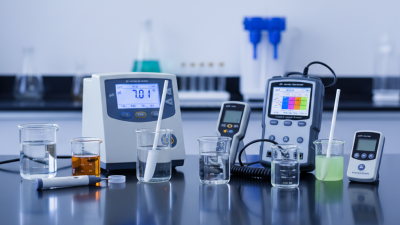
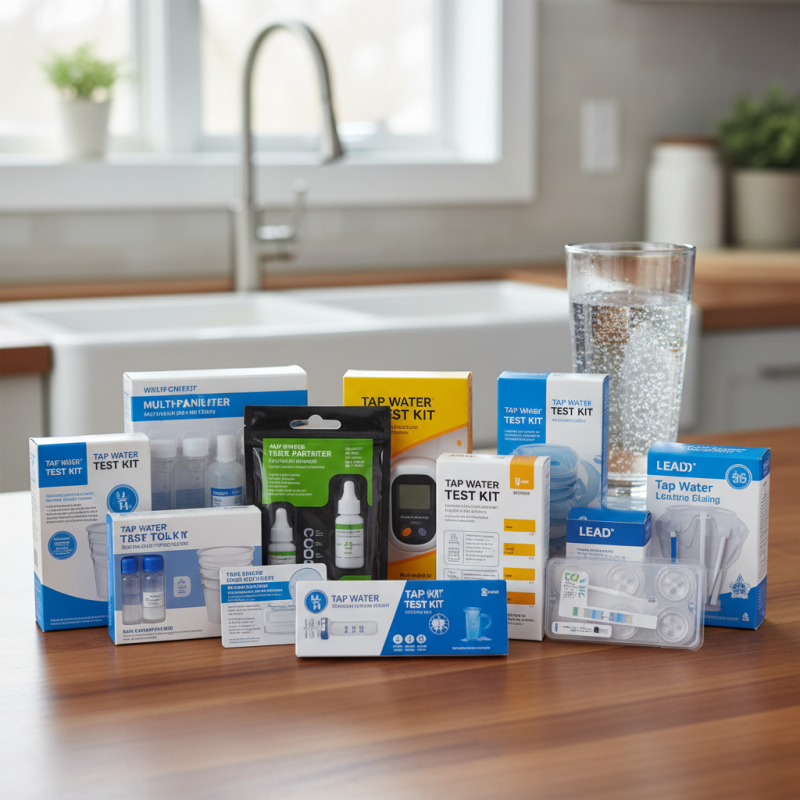
When it comes to ensuring safe drinking water at home, having a reliable tap water test kit is essential. These kits allow you to monitor the quality of your water by checking for common contaminants such as lead, chlorine, nitrates, and bacteria. A good home testing kit is user-friendly and provides quick results, enabling homeowners to address any potential issues promptly. Many of these kits come with comprehensive instructions, making them suitable even for those with little scientific background.
Choosing the right test kit can be overwhelming due to the variety of options available. Therefore, it’s important to consider factors such as the specific contaminants you’re concerned about, the complexity of the testing process, and the accuracy of the results. Some kits offer advanced testing capabilities, allowing for a more detailed analysis. Others prioritize ease of use and rapid results, making them ideal for routine checks. Regardless of the choice, regularly testing your tap water helps ensure that you and your family are drinking safe and clean water.
How to Properly Use a Tap Water Test Kit and Interpret Results
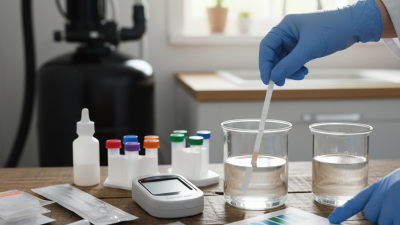
When using a tap water test kit, the first step is to carefully read the instructions provided with the kit. Each kit may have specific procedures, so understanding the methodology is critical to obtaining accurate results. Typically, you’ll start by collecting samples of your tap water in the designated containers provided. It's important to follow the guidelines strictly to avoid contamination, such as rinsing the containers before use and ensuring that the samples are taken from a running tap.
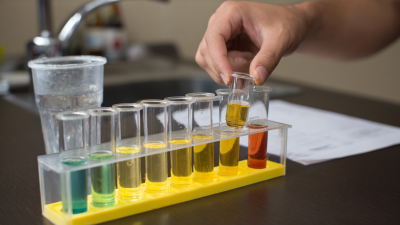
After preparing your samples, you will need to apply the appropriate reagents or test strips according to the instructions. The reactions often produce color changes that can indicate the presence of various contaminants such as bacteria, lead, chlorine, and nitrates. To interpret these results effectively, compare the colors generated in your test with the reference chart included in the kit. Make note of any significant changes, particularly if they indicate levels that exceed safe drinking water standards. Ultimately, understanding the results is essential, as it informs necessary actions, whether that’s improving water treatment methods or contacting local water authorities for further assistance.