Top 10 At Home Water Test Kits You Need to Know?
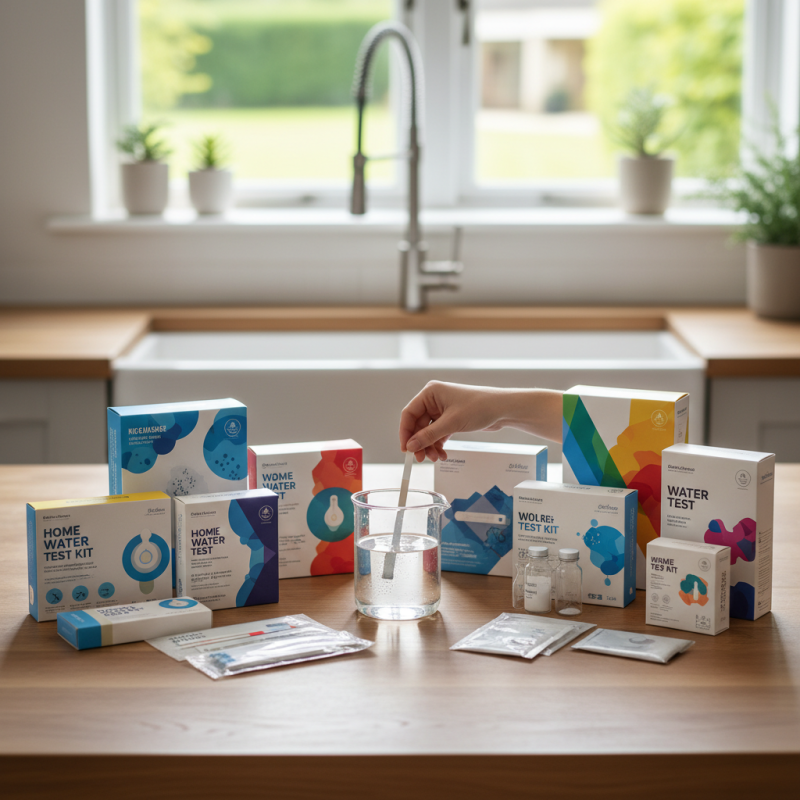
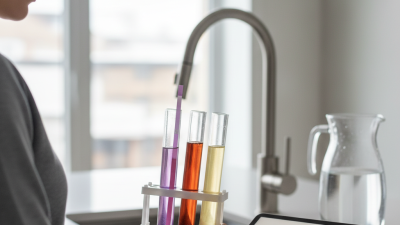
Water quality is crucial for health and safety. Contaminated water can lead to various health issues. According to the CDC, about 15% of U.S. households rely on private wells. These wells often lack regulation, making water testing essential. An at home water test kit can empower homeowners to check for contaminants.
Many test kits provide insights into toxins like lead, nitrates, and bacteria. A study by the Water Research Foundation highlighted that nearly one in every five wells has unsafe levels of at least one contaminant. This statistic underscores the importance of regularly testing your water.
Using an at home water test kit can facilitate proactive measures. Homeowners must recognize that not all kits are equally reliable. It’s important to choose trustworthy brands and understand the limitations of each kit. A little reflection on personal water needs can lead to improved safety.
Essential Features to Look for in At-Home Water Test Kits
When selecting at-home water test kits, certain essential features stand out. A reliable kit should measure key contaminants such as lead, nitrates, and pesticides. According to the Environmental Protection Agency (EPA), over 10 million households can have lead levels above recommended thresholds. This statistic underscores the importance of choosing a kit that tests for heavy metals effectively.
User-friendly design is another critical aspect. Many kits now offer easy-to-read color charts and clear instructions. This makes testing accessible to everyone, regardless of their background. A study by the National Water Quality Monitoring Council shows that many consumers lack awareness of how to interpret test results. Kits designed with clarity can help bridge this knowledge gap.
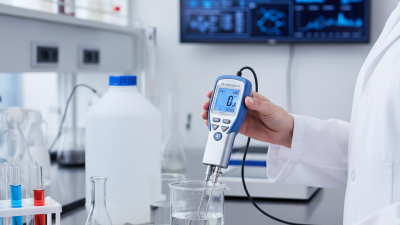
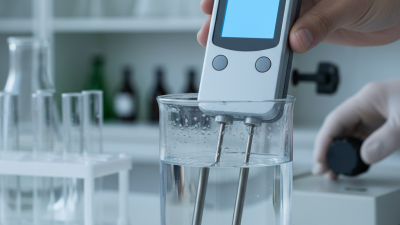
Additionally, the testing method employed is crucial. Some kits use test strips, while others provide more comprehensive lab-grade analysis. The latter usually yields more accurate results. However, they may require more time and technical knowledge. It's essential to balance accuracy with ease of use. The decision often boils down to the user's comfort level in conducting tests and understanding the implications.
Comparison of Common Contaminants Detected by Water Test Kits
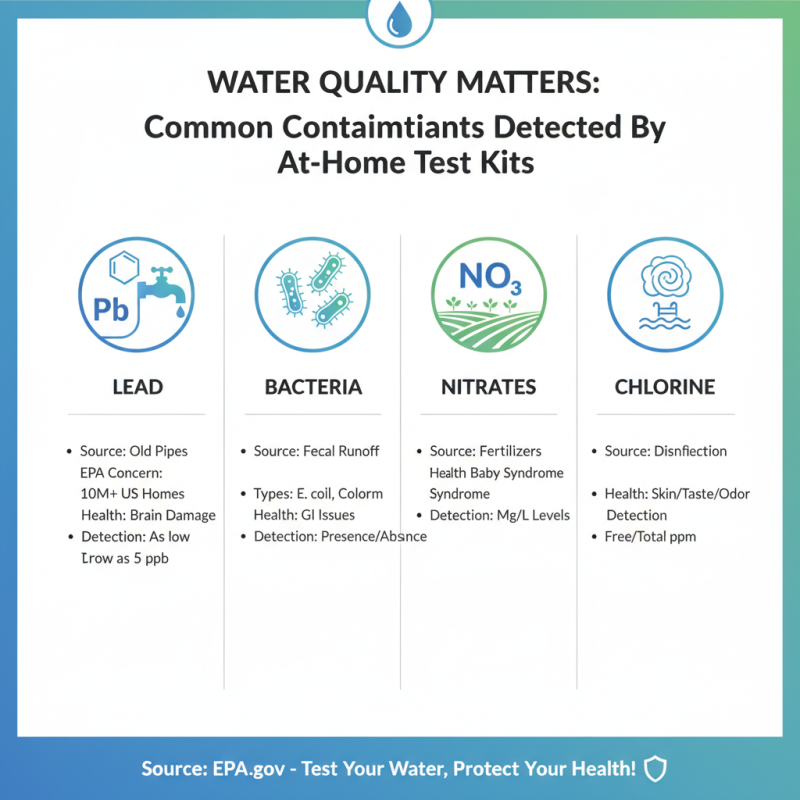
Water quality is vital for health. Many at-home water test kits help detect contaminants. Common pollutants include lead, bacteria, nitrates, and chlorine. According to the Environmental Protection Agency (EPA), lead affects over 10 million homes in the United States. Exposure can cause serious health issues, especially in children. A reliable test kit can identify lead levels as low as 5 parts per billion (ppb).
Bacteria, such as E. coli, can signal potential hazards in drinking water. The CDC states that around 7% of U.S. households may have bacterial contamination. Test kits usually measure bacterial presence in 24 hours. Nitrates are another common contaminant. Found in fertilizers, high levels can cause health problems. The EPA recommends a maximum of 10 mg/L for safe drinking water. At-home kits can help detect levels quickly, ensuring safer water for families.
Despite their benefits, these kits are not foolproof. Some may lack sensitivity to certain pollutants. Users must carefully follow instructions for accurate results. It's important to consider professional testing for comprehensive analysis, especially if significant contamination is suspected. Regular testing helps maintain water safety.
Accuracy and Reliability: Understanding Testing Methodologies
Understanding the accuracy and reliability of at-home water test kits is essential. Many consumers overlook the importance of testing methodologies, which can vary significantly. A report from the National Sanitation Foundation highlights that not all kits validate results through advanced techniques. Many rely on colorimetric methods, which may introduce subjective bias.
The precision of these tests is often influenced by water samples themselves. Factors like temperature, pH level, and even the presence of contaminants can skew results. For instance, the Environmental Protection Agency states that pH variations above 8.5 can lead to inaccurate readings in certain kits. Testing methodologies must be considered when evaluating someone’s water quality.
It’s crucial to recognize that errors can occur, even with the most reliable kits. A study by the American Water Works Association revealed that up to 25% of home test kits failed to match lab results. This disparity raises questions about their effectiveness. Consumers should approach results with a critical mindset and possibly confirm findings through professional lab analysis.
Top 10 At Home Water Test Kits: Accuracy and Reliability
This chart represents the accuracy of the top 10 at-home water test kits. Each kit's accuracy is measured in percentage, providing a clear view of their reliability in testing various contaminants in water.
Interpreting Your Water Test Results: A Step-by-Step Guide
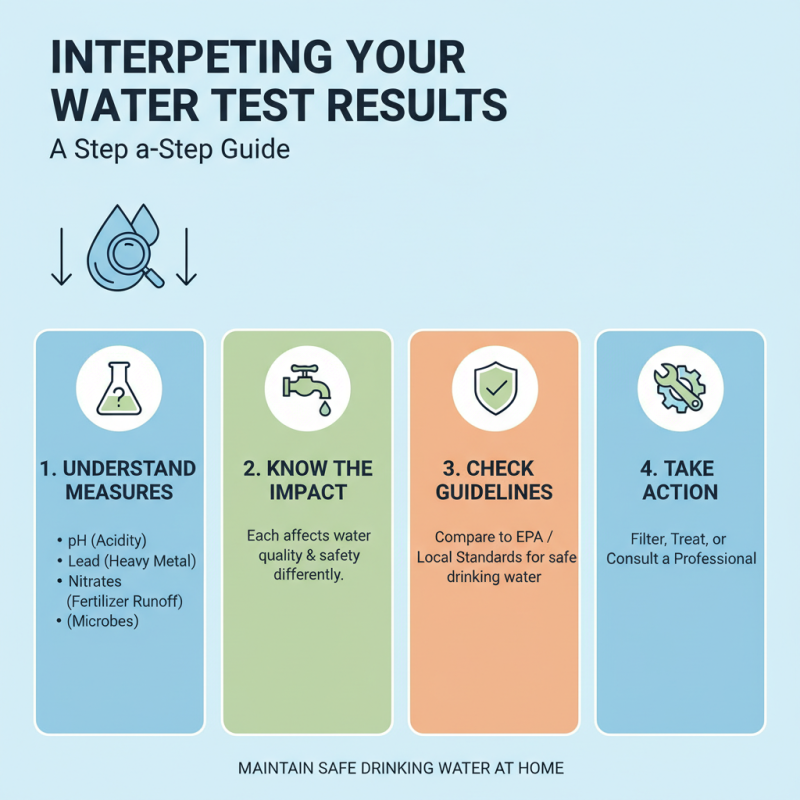
Interpreting water test results can be overwhelming. However, it's crucial for maintaining safe drinking water at home. Begin by understanding what each test measures. Common parameters include pH, lead, nitrates, and bacteria. Each affects water quality differently.
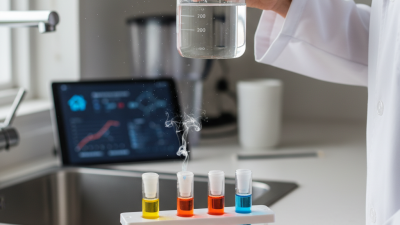
When you receive your results, pay attention to the color coding. Typically, green indicates safe levels, while red signals a potential problem. Reflect on your water sources. Do you use well water or municipal supplies? This context can shape your interpretation.
Tips: Always double-check the testing procedure. Inaccurate steps can lead to misleading results. If unsure, seek help from local extension services or environmental agencies. They can provide reliable guidance tailored to your region. Another point: keep your testing kit updated. Older kits might not accurately reflect current water quality issues. Regular re-testing ensures peace of mind.
Average Costs and Value Analysis of At-Home Water Testing Options
At-home water test kits provide a convenient way to assess water quality. They measure potential contaminants like lead, bacteria, and pesticides. The average cost of these kits varies widely. Basic kits can start at around $20, while more comprehensive options may reach $150 or more. It's crucial to select a kit that fits your specific needs and budget.
The value of these kits can sometimes be misleading. Some inexpensive options may not test for all contaminants. Conversely, higher-priced kits may include advanced features that you may not need. It’s essential to evaluate the tests provided and their reliability. Not all kits offer the same levels of accuracy. Misleading results can occur if instructions are not followed precisely.
Consider the overall investment in your water safety. A cheaper kit may save you money, but that doesn’t guarantee peace of mind. You could end up needing a follow-up analysis from a professional lab, which adds more cost. When purchasing, reflect on your water source and potential risks. Each home is different, and so are the local water concerns. Prioritize knowledge and do thorough research before making a final decision.