Top 10 Drinking Water Test Kits You Should Consider for Safety?
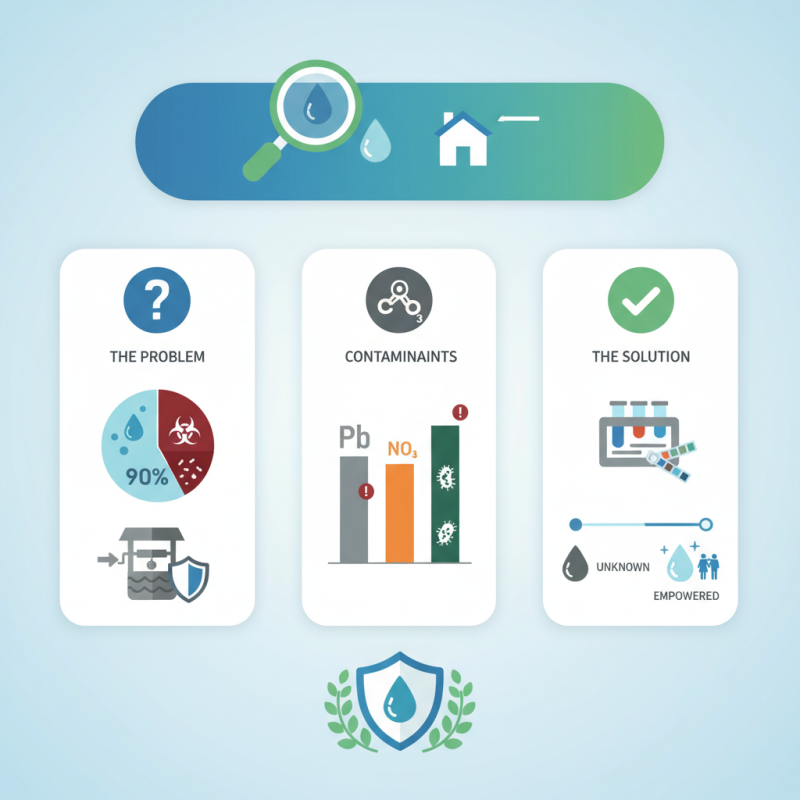
Drinking water quality is critical for public health. According to the Environmental Protection Agency (EPA), over 23 million Americans rely on private wells for drinking water. Unfortunately, these sources are often unregulated. Contaminants like lead, nitrates, and bacteria can pose serious health risks if not detected.
A drinking water test allows homeowners to identify harmful pollutants. Many families may not realize the dangers lurking in their water. For example, recent studies show that about 10% of wells have elevated levels of contaminants. Testing provides valuable insights into water safety. It empowers individuals to take action, ensuring safe drinking conditions.
While many test kits offer convenience, not all are reliable. Some might miss critical contaminants or deliver ambiguous results. It’s essential to choose carefully from the myriad of options available. Ultimately, understanding the importance of drinking water tests can lead to better health outcomes and peace of mind for families.
Understanding the Importance of Drinking Water Quality Testing
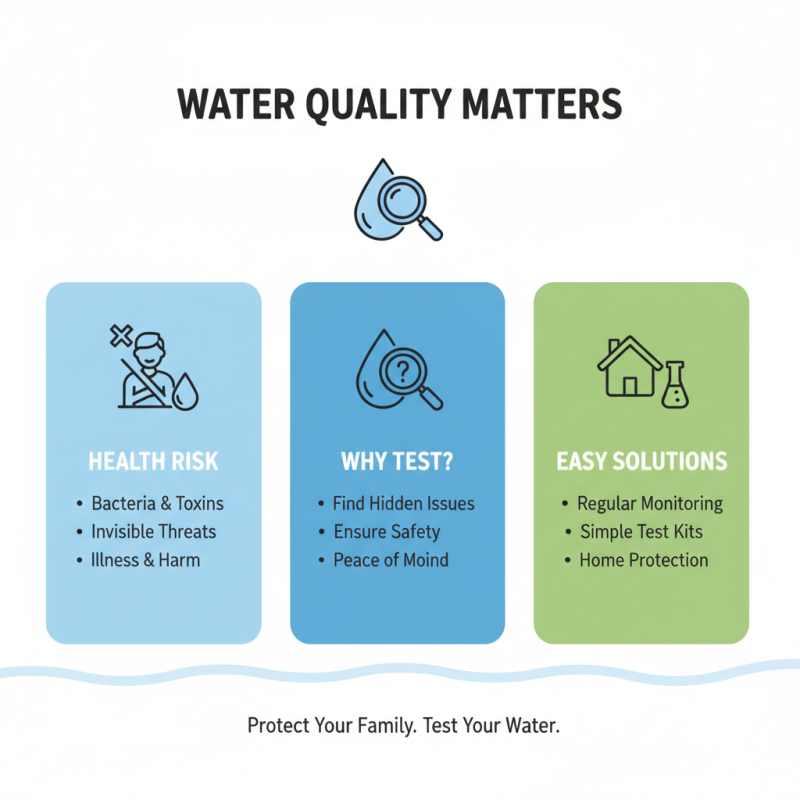
Drinking water quality testing is crucial for everyone. Contaminated water can harm health in many ways. It may contain harmful bacteria or toxic substances. These pollutants often go unnoticed. Regular testing can reveal hidden issues. Simple test kits can help every household monitor their water.
Understanding what’s in your water empowers you. Awareness is the first step to safety. It helps identify potential dangers like lead, chlorine, or nitrates. Many people assume their water is safe, but that isn't always true. A few simple tests can make a significant difference.
Investing time in testing reduces risks. Not everyone has access to a laboratory. Home kits provide flexibility and ease. They often come with clear instructions. Yet, results can vary. It's essential to stay updated on local water quality standards. Keeping informed can lead to better choices and an overall healthier lifestyle.
Factors to Consider When Choosing a Drinking Water Test Kit
When choosing a drinking water test kit, there are several important factors to keep in mind. Start by considering what contaminants you want to test for. Common issues include bacteria, lead, and chlorine. Understanding your water source helps narrow down your options.
Tips: Always check the kit's certifications. A reliable kit should have undergone necessary testing. User reviews can give insight into the kit's effectiveness.
Another factor is ease of use. Some kits require complicated procedures that can be hard for beginners. Look for kits that offer clear instructions and quick results. Fast results are essential, especially when safety is a priority.
Tips: Don’t ignore packaging information. It often contains helpful details about the testing process. Be sure to evaluate the shelf life of the kit too. An expired kit may yield inaccurate results.
Overall, focus on accuracy. Some kits may show false positives or negatives. This can lead to confusion and potential health risks. So, take your time to choose wisely.
Top Features to Look for in Drinking Water Test Kits
When choosing a drinking water test kit, consider essential features. A reliable kit should measure various contaminants. Look for tests for lead, chlorine, nitrates, and bacteria. These elements pose health risks. A comprehensive kit covers a broad range of substances. Some users might overlook specific tests. Every contaminant matters.
Test kits should come with clear instructions. Easy-to-follow guidelines make the process stress-free. Complex instructions can lead to mistakes. Ensure you have the right equipment for testing. User-friendly materials enhance accuracy. Compare options before making your final choice.
Tips: Always check expiry dates on test kits. Old kits can yield inaccurate results. Consider the sensitivity of the tests. Some kits may miss low levels of contaminants. Understanding how to interpret results is vital. Misinterpretation can lead to unnecessary concerns or complacency. Water safety is not just a trend. It's a necessity worth prioritizing.
Top 10 Drinking Water Test Kits You Should Consider for Safety
This chart illustrates the levels of contaminants that can be tested by various drinking water test kits. The kits vary in capabilities to detect the presence of bacteria, lead, chlorine, pH levels, and nitrates, which are critical for ensuring safe drinking water.
Review of the Top 10 Drinking Water Test Kits on the Market
Drinking water quality is crucial for health. Contaminants can lead to serious health issues. Many test kits are available to help you monitor water safety. Each kit varies in sensitivity and range of contaminants tested. According to the CDC, more than 15 million Americans drink water that may contain harmful contaminants. This highlights the need for reliable testing solutions.
When choosing a test kit, consider the specific contaminants you might encounter. Common concerns include lead, nitrates, and bacteria. Some kits test for a single contaminant, while others offer broader analysis. Look for user-friendly options with clear instructions. The accuracy of these tests can vary, so results should be viewed as a guide rather than an absolute answer.
Tips: Always cross-check your test results with a certified laboratory. Testing at multiple times throughout the year can reveal seasonal changes in water quality. Ensure that the kit is up to date and has not expired. Awareness of water safety is not just about testing; it's also about understanding potential risks. A well-informed approach can help protect you and your family from unseen dangers lurking in your drinking water.
Top 10 Drinking Water Test Kits You Should Consider for Safety
| Test Kit |
Tests Included |
Ease of Use |
Price Range ($) |
Customer Rating |
| Basic Test Kit |
pH, Lead, Bacteria |
Easy |
15-25 |
4.5/5 |
| Advanced Test Kit |
Lead, Nitrate, Hardness |
Moderate |
30-50 |
4.7/5 |
| Comprehensive Kit |
All Contaminants |
Moderate |
50-75 |
4.8/5 |
| Quick Test Kit |
pH, Chlorine, Bacteria |
Very Easy |
10-20 |
4.6/5 |
| Professional Kit |
Heavy Metals, Microbial |
Challenging |
100-150 |
4.9/5 |
| Home Test Kit |
Nitrate, Hardness |
Easy |
20-40 |
4.4/5 |
| Environmental Kit |
Chemical, Biological |
Moderate |
75-100 |
4.7/5 |
| Portable Test Kit |
pH, Total Dissolved Solids |
Very Easy |
15-30 |
4.5/5 |
| DIY Test Kit |
Various Grab Tests |
Challenging |
10-15 |
4.3/5 |
| Specialized Kit |
Fluoride, Pesticides |
Moderate |
90-120 |
4.6/5 |
How to Interpret the Results from Your Water Test Kit
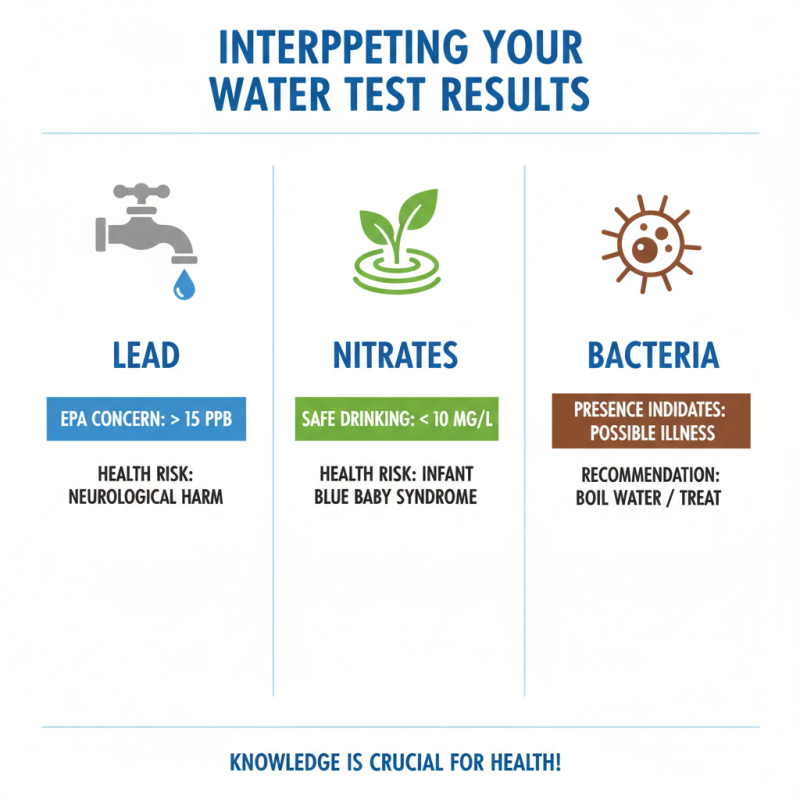
Interpreting the results from your water test kit can feel daunting. Many test kits measure pollutants like lead, nitrates, and bacteria. If you find lead levels higher than 15 parts per billion, the EPA considers this a concern. High nitrate levels, exceeding 10 milligrams per liter, can harm infants. After testing, understanding these values is crucial for health.
When you analyze your results, it’s important to compare them with the EPA’s guidelines. Many homeowners don't realize their water may contain harmful substances. A 2021 report showed that nearly 10% of U.S. households have water unsafe for consumption. This highlights the need for regular testing. Pay attention to the color changes and numerical values on your test kit. If any values are alarming, seeking further professional testing is advisable.
Visualizing these results is essential. A color change might mean unsafe levels. Substances can blend in; hence, clear results matter. Not all contaminants are visible or taste detectable. Testing for bacteria is another area of concern. The presence of coliform bacteria indicates potential contamination. Reflect on how often you test your water. Regular checks can prevent long-term health issues. Safety starts with informed decisions.