Top 10 Direct Dyes for Global Sourcing Needs?
The textile industry relies heavily on Direct Dyes for vibrant color solutions. In recent years, the direct dye market has shown significant growth. According to a report by Mordor Intelligence, the global direct dye market was valued at approximately $1.5 billion in 2022, with an anticipated growth rate of over 5% annually.
Direct Dyes are celebrated for their ease of use and vibrant hues. They are favored in cotton, wool, and synthetic applications. However, challenges remain in terms of environmental impacts. Many dyes contain toxic components, raising concerns for manufacturers and consumers alike. The shift towards sustainable practices in dyeing processes is urgent, yet not fully realized by all industry stakeholders.
As companies explore sourcing options, selecting the right Direct Dyes becomes critical. Factors such as colorfastness, environmental impact, and cost-effectiveness must be prioritized. Businesses may struggle to find a balance between quality and sustainability. This ongoing conflict highlights the need for innovation in dye technology and sourcing strategies.
Overview of Direct Dyes in Global Sourcing
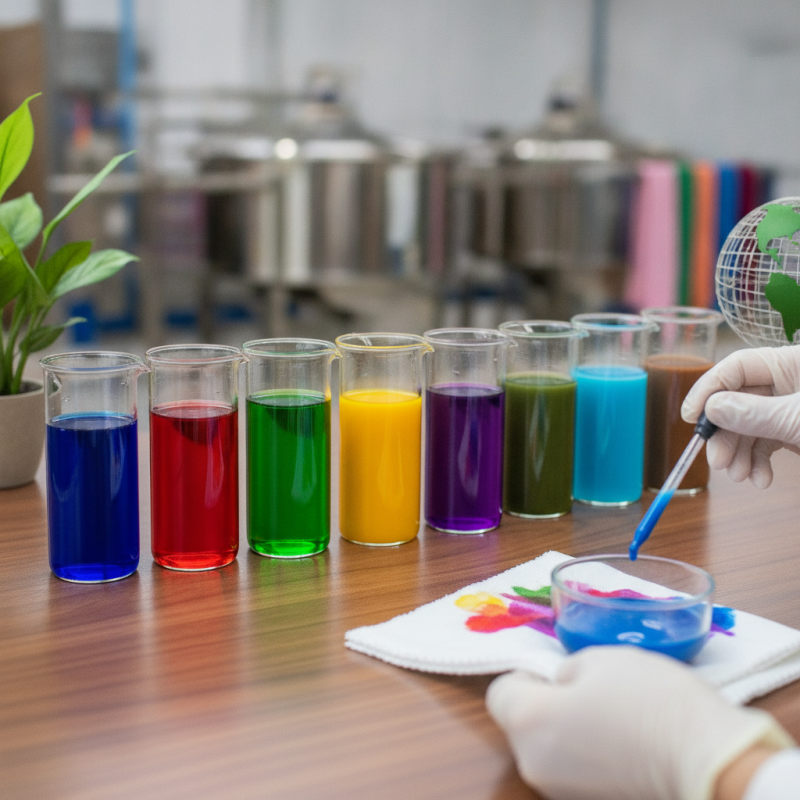
The use of direct dyes is significant in global sourcing. These dyes are water-soluble, making them ideal for a variety of fabrics. They bond directly to the textile fibers, providing strong colors that remain vibrant after washing. This quality is crucial for manufacturers who prioritize durable and reliable products.
Understanding the sourcing implications of direct dyes is essential. They require careful handling and specific environmental considerations. Some direct dyes can produce significant waste. An effective sourcing strategy should address these challenges. Suppliers must adhere to global safety and environmental regulations.
There is an ongoing need for innovation in direct dyes. Manufacturers are exploring sustainable alternatives that reduce environmental impact. This shift does not come without challenges. Balancing cost, performance, and environmental concerns remains complicated. Hence, a thorough evaluation of direct dye options is necessary for informed decision-making.
Criteria for Selecting Top Direct Dyes for Various Applications
When selecting direct dyes for various applications, it is essential to consider key criteria that ensure optimal performance. Color fastness is crucial. Dyes must withstand washing, light exposure, and environmental factors. It is important to test dyes under specific conditions to ensure they meet durability standards. The compatibility with different fibers also needs evaluation. Natural fibers react differently compared to synthetic ones.
Application versatility is another factor. Dyes should work across various textile processes, including printing and dyeing. For example, some may dissolve well in water while others require specific solvents. Environmental impact is significant too. Opting for dyes with lower toxicity reduces harm to both the environment and workers.
Cost-effectiveness can be tempting but may hinder quality. Cheaper dyes may fade quickly, leading to increased production costs in the long run. An assessment of the dye supplier's reliability is also critical. Ensuring a consistent supply of high-quality dyes can prevent production delays. Overall, making informed choices is vital for long-term success in sourcing direct dyes.
Analysis of Leading Direct Dye Manufacturers Worldwide
Direct dyes are essential for many industries, especially in textiles. Several manufacturers dominate the market globally, each offering unique advantages. They focus on quality, sustainability, and innovation in dye production. Direct dyes can enhance fabric appeal and durability, but manufacturers face challenges in meeting environmental standards.
Leading dye manufacturers emphasize eco-friendly practices. They invest in research to develop non-toxic dye alternatives. These practices help reduce water pollution and energy consumption. However, not all companies adhere to these principles consistently. Some manufacturers lag in sustainability efforts, raising questions about their commitment to responsible production.
Market demand for vibrant colors drives competition among manufacturers. This competition can lead to rapid advancements. Yet, it also puts pressure on companies to cut costs, possibly compromising quality. Transparency is crucial; consumers deserve to know the origins of their dyes. Balancing innovation with ethical practices remains a critical challenge in the direct dye industry.
Sustainability and Environmental Impact of Direct Dyes
The use of direct dyes is increasingly scrutinized due to their environmental impact. Direct dyes are known for their vibrant colors and easy application. However, they often contain harmful substances that can affect ecosystems. According to a report by the Environmental Protection Agency, nearly 10% of industrial wastewater comes from dyeing processes.
Sustainability in this sector is crucial. It's estimated that the textile industry contributes around 25% of global water pollution. Dyes can release toxic compounds into waterways, harming aquatic life. Research highlights that shifting towards eco-friendly alternatives could reduce toxic waste significantly. Sustainable practices must involve reducing water usage and energy consumption during dyeing.
Consumer awareness is rising. Many consumers now prefer sustainably dyed fabrics. This shift forces manufacturers to adopt greener technologies and practices. While progress is being made, not all direct dyes are created equal. The transition to sustainability is complex and requires ongoing reflection and improvement within the industry.
Trends and Innovations in Direct Dye Technologies for Global Market
The landscape of direct dyes has evolved significantly. Innovations in dye technologies have enhanced performance and sustainability. It's crucial to highlight the impact of regulatory changes as well. Compliance with environmental standards is imperative for global sourcing. Studies show that the direct dye market is projected to reach $3.5 billion by 2025, reflecting a growth rate of 5.4% annually.
Recent advancements focus on eco-friendly alternatives. New dyeing methods reduce water and energy consumption. For example, some techniques utilize digital printing, minimizing waste. Reports indicate that adopting such technologies can decrease water usage by up to 80%. However, these innovations come with challenges. High initial costs deter some manufacturers. They must balance sustainability with economic viability.
Quality control remains a pressing issue. Not all suppliers adhere to the same standards. This inconsistency can affect product quality worldwide. Regular audits and supplier evaluations are essential. A recent survey found that 65% of industry leaders identified quality assurance as a critical factor in sourcing decisions. Companies must invest in reliable partners to ensure product integrity.
Top 10 Direct Dyes for Global Sourcing Needs