Top 10 Conductivity Meters for Accurate Measurements?
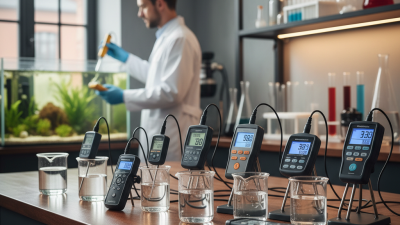
When it comes to measuring the conductivity of liquids, a reliable conductivity meter is essential. Conductivity meters are used across various industries, from environmental testing to quality control in manufacturing. These devices provide critical information about the ionic content of solutions, impacting everything from water treatment processes to laboratory research.
The market offers a wide range of conductivity meters, each with unique features and capabilities. Some models excel in precision, while others are designed for ease of use. When selecting a conductivity meter, consider factors like measurement range, accuracy, and durability. While many products claim to deliver accurate results, it's crucial to look for established brands known for their quality.
There are many options available, but not all conductivity meters are equal. Some may lack the sensitivity needed for specific applications, or they might be challenging to calibrate. It's important to do thorough research and rely on expert recommendations. This guide will highlight ten top conductivity meters that combine accuracy and reliability, making it easier to choose the right one for your needs.
Top Features to Consider in High-Quality Conductivity Meters
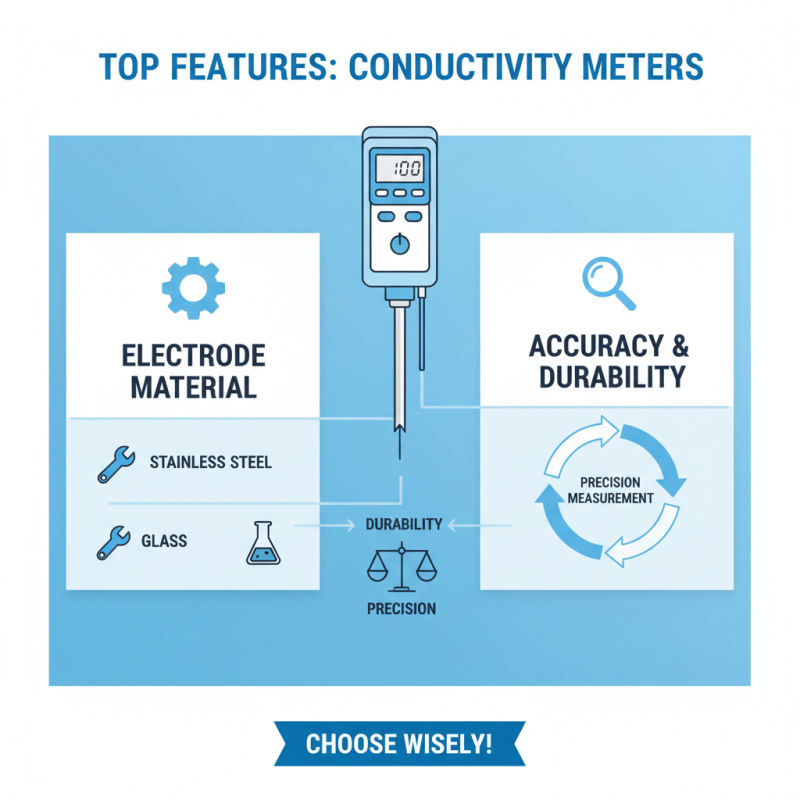
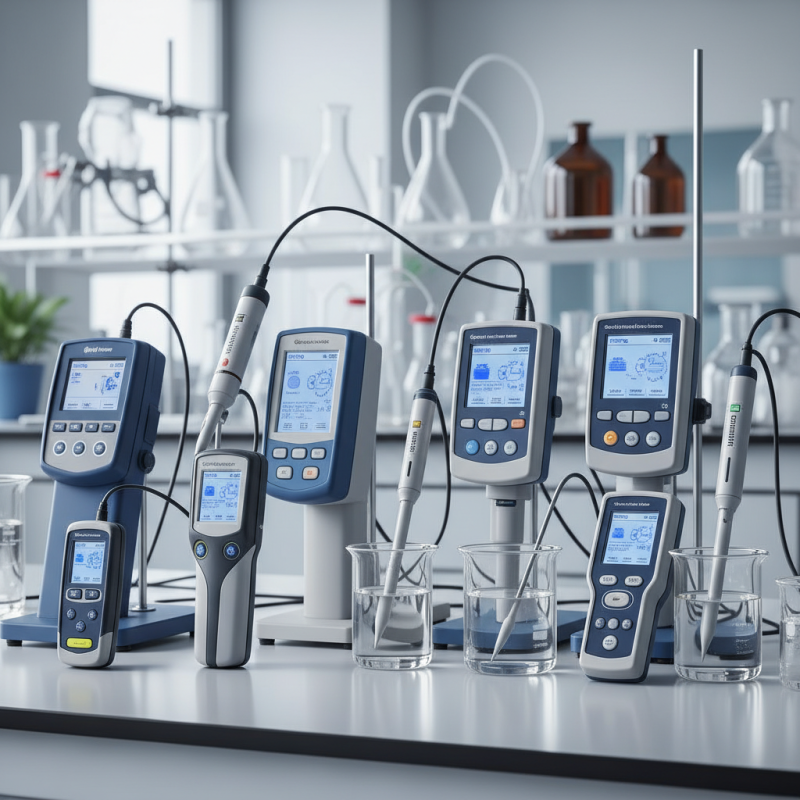
When choosing a conductivity meter, several key features can significantly influence measurement accuracy. First, electrode material is crucial. Stainless steel electrodes offer durability. However, glass electrodes may provide more precise readings in specific solutions. This trade-off between durability and precision requires careful consideration.
Another feature to evaluate is the measurement range. Meters with a wider range can measure various solutions, from clean water to highly concentrated salts. This adaptability is valuable for users in diverse fields, including environmental monitoring and laboratory research. Yet, finding a meter that balances range with accuracy can be challenging.
Calibration options also deserve attention. Devices that allow for easy calibration typically provide more reliable results. Regular calibration ensures accuracy over time, especially when using the meter for critical applications. Reflecting on these aspects enhances the choice of a conductivity meter, promoting better measurements and more reliable outcomes in diverse settings.
Understanding Conductivity: Key Metrics and Measurement Units
Conductivity is a crucial measurement in various fields such as chemistry, agriculture, and environmental science. It indicates the ability of a solution to conduct electrical current, often reflecting the concentration of ions present. Understanding conductivity involves key metrics like specific conductance, salinity, and total dissolved solids (TDS). Each of these metrics is expressed in distinct measurement units such as microsiemens per centimeter (µS/cm) or parts per million (ppm).
Recent industry reports indicate that optimal conductivity levels can vary significantly across applications. In drinking water, for example, acceptable conductance levels typically range from 50 to 500 µS/cm. However, in hydroponics, conductivity may need to be higher, often above 2000 µS/cm for optimal plant growth. Misjudging these metrics can lead to impaired systems or subpar results in both agricultural output and water quality monitoring.
Every measurement poses challenges. Variations in temperature can affect conductivity readings. Some meters may lack the necessary compensation features, leading to inaccuracies. Additionally, the calibration of devices can drift over time, resulting in erroneous data. Awareness of these factors is essential for reliable readings. Accurate measurements require both high-quality instruments and a deep understanding of the underlying principles.
Comparison of Leading Brands in the Conductivity Meter Market
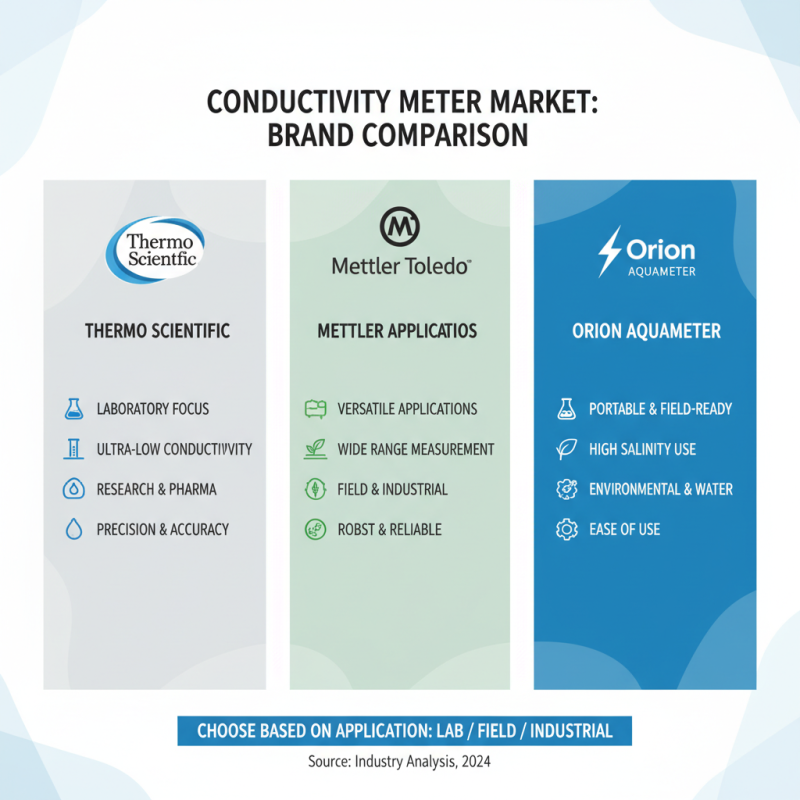
When choosing conductivity meters, comparison among various brands is crucial for accuracy. Each brand offers unique features tailored for specific uses. Some models excel in measuring very low conductivity levels, while others are designed for high-range applications. The right choice often depends on the intended environment—lab, field, or industrial setting.
Consider how compact or portable a meter is. For field users, a lightweight option with a robust build can be vital. Meanwhile, laboratory professionals might prioritize advanced calibration features. Not all meters handle temperature variations effectively. This is an essential factor when evaluating performance.
Not every model guarantees precision in all situations. Users often find discrepancies when comparing results across different devices. It's common to question why readings fluctuate. This reality reinforces the importance of regular calibration and proper maintenance. Testing in varied conditions can also reveal limitations.
Calibration Techniques for Accurate Conductivity Measurements
Calibration is vital for achieving accurate conductivity measurements. Regular calibration ensures that the measurements reflect the true conductivity of the solution. This process involves comparing the readings of the conductivity meter against known standards. These standards typically have a precise conductivity value, providing a reliable benchmark for comparison.
To effectively calibrate your conductivity meter, use solutions with conductivity values close to your samples. Calibrating at multiple points can improve accuracy. For example, two-point calibration may involve one standard with lower conductivity and another with higher conductivity. Always follow the manufacturer’s guidelines during calibration. Remember to check temperature compensation, as conductivity readings can vary with temperature changes.
It's easy to neglect calibration, believing the device remains accurate over time. However, factors like sensor wear and environmental conditions can affect performance. Periodic checks are crucial, even if the readings seem consistent. To maintain accuracy, establish a routine calibration schedule. This ensures that your measurements remain reliable and reflect true sample conditions. Implementing these practices will enhance your confidence in the results you obtain.
Top 10 Conductivity Meters for Accurate Measurements
| Meter Model |
Measurement Range (µS/cm) |
Accuracy (%) |
Calibration Frequency (Months) |
Key Features |
| Model A |
0 - 2000 |
±1% |
6 |
Automatic temperature compensation, large display |
| Model B |
0 - 5000 |
±0.5% |
12 |
Backlit screen, compact design |
| Model C |
0 - 10000 |
±2% |
3 |
Durable construction, IP67 waterproof |
| Model D |
0 - 2000 |
±1% |
6 |
USB connectivity, data logging |
| Model E |
0 - 4000 |
±0.5% |
12 |
Easy calibration, rechargeable battery |
| Model F |
0 - 10000 |
±1.5% |
6 |
Multi-language support, low battery indicator |
| Model G |
0 - 5000 |
±0.7% |
12 |
Automatic calibration, ergonomic design |
| Model H |
0 - 2000 |
±1% |
6 |
Lightweight, portable carry case |
| Model I |
0 - 10000 |
±1% |
12 |
High-resolution display, environmental monitoring |
| Model J |
0 - 5000 |
±0.5% |
12 |
Mobile app connectivity, customizable settings |
Industry Applications of Conductivity Meters: From Agriculture to Lab Use
Conductivity meters play a crucial role in various industries. In agriculture, they measure soil salinity, guiding irrigation practices. Farmers rely on these meters to ensure optimal crop growth. Accurate readings help in managing nutrient levels. However, over-reliance on technology can lead to missed nuances in soil health.
In laboratory settings, conductivity meters are essential for analyzing water quality. They help scientists track ionic content in samples. This can influence experiments significantly. It's important to choose meters that align with specific lab needs. Some devices may fall short in precision. The challenge remains to find a balance between accuracy and usability. Regular calibration and maintenance are often overlooked but crucial for reliable results. These practices ensure consistent performance, but many professionals neglect them. Ultimately, understanding the limitations of devices fosters better decision-making.
Top 10 Conductivity Meters for Accurate Measurements
This chart displays the average conductivity measurement range (µS/cm) of the top 10 conductivity meters suitable for various industry applications, including agriculture and laboratory use. Understanding the range helps in selecting the right meter for optimal readings.