What is a Tap Water Test Kit and How Does It Work?
Tap water is a vital resource for daily life. Many people assume it is safe to drink. However, contaminants can lurk in our water supply. This is where a tap water test kit becomes essential. It helps you understand what is in your water.
A tap water test kit is easy to use. It often comes with test strips or solutions for specific contaminants. You only need to follow simple instructions. Results are usually available in a short time. This knowledge can empower you to take action. You may find unexpected substances in your tap water. It may raise questions about your water source.
While many kits are convenient, they may not test for everything. Some may lack sensitivity to low levels of harmful compounds. It’s crucial to reflect on the limitations of these tests. Are you truly informed about your water quality? Investing in a tap water test kit could be a step towards better health.
What is a Tap Water Test Kit?
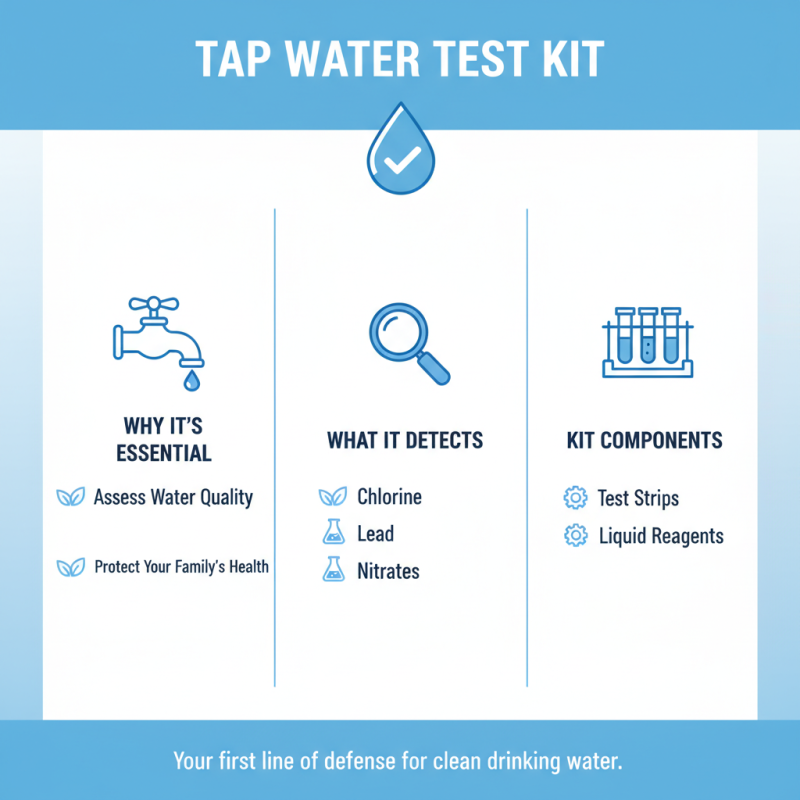
A tap water test kit is an essential tool for every household. It helps assess the quality of drinking water from faucets. These kits usually contain test strips or liquid reagents. They can detect a range of contaminants, including chlorine, lead, and nitrates.
In the United States, around 10% of households rely on private wells for drinking water. According to the Centers for Disease Control and Prevention (CDC), well water is often unregulated. This means it can contain harmful bacteria and chemicals. A tap water test kit offers a practical solution to identify these risks. Studies suggest that about 20% of tested samples reveal concerning levels of contaminants. Many people are unaware of the potential dangers lurking in their tap water.
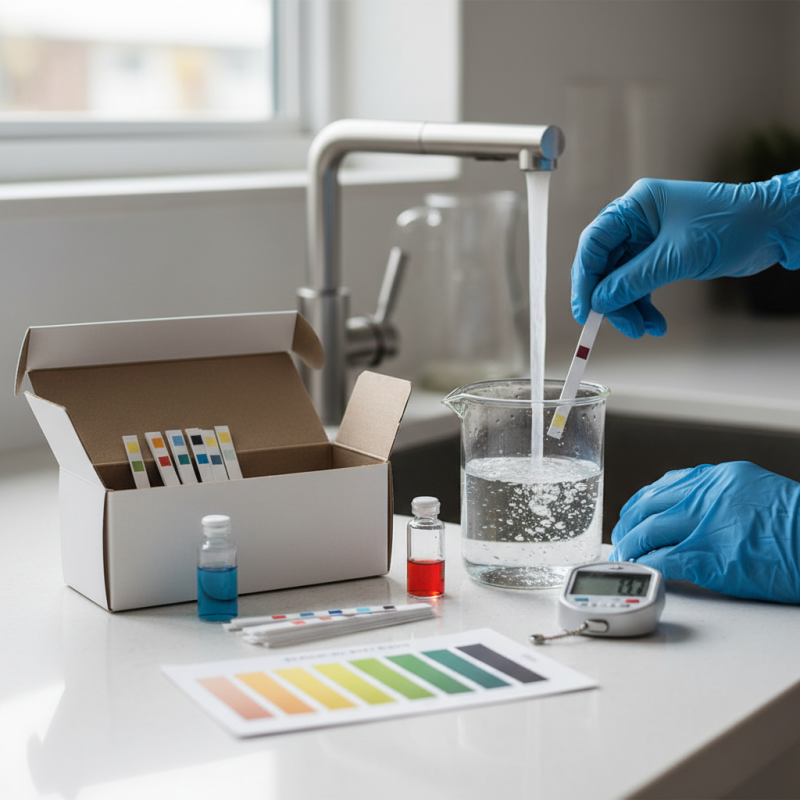
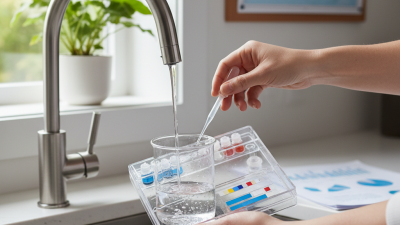
Using a test kit is straightforward. You simply fill a clean container with water and dip the test strips. The color change indicates the levels of various substances. Yet, results can sometimes be ambiguous. Misreading the color chart, for instance, can lead to false concerns or a false sense of security. Regular testing is vital for ensuring safe drinking water, but it's not foolproof. A thorough assessment by a certified professional is always recommended for more accurate results.
Components of a Tap Water Test Kit
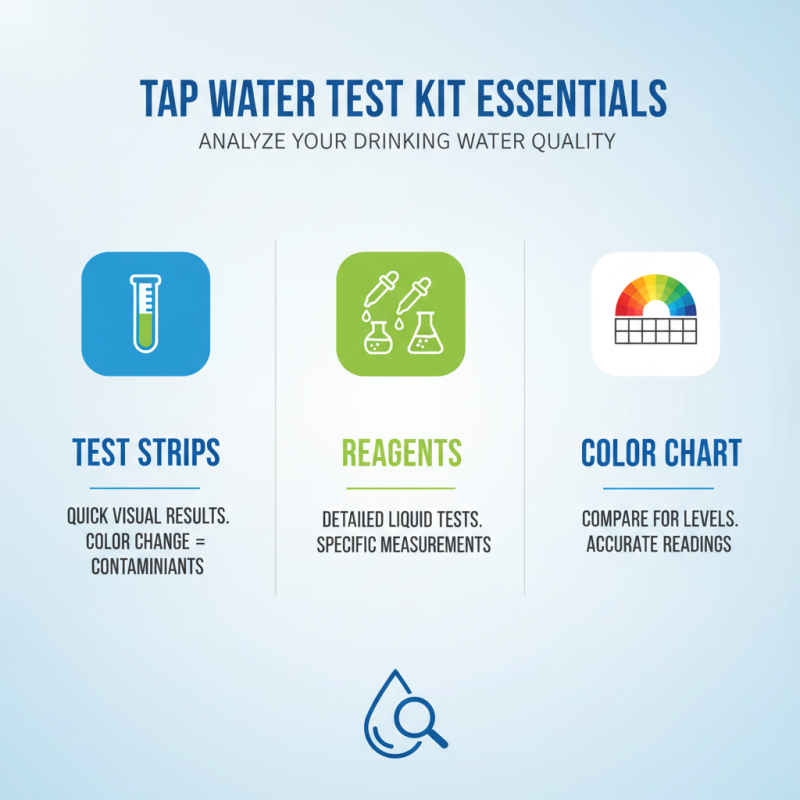
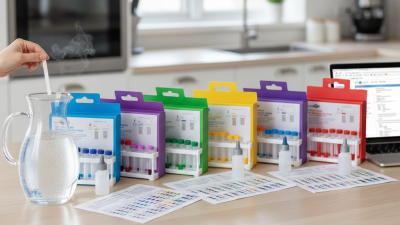
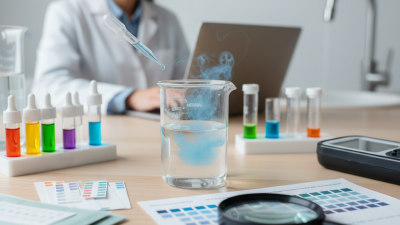
A tap water test kit is essential for analyzing the quality of your drinking water. These kits often come with several key components, designed to measure different water parameters. Common components include test strips, reagents, and a color chart. Test strips provide a quick visual result, changing color based on contaminant levels. Reagents allow for more detailed tests, offering specific measurements.
The effectiveness of a test kit largely depends on its components. Some kits include detailed instructions for use. However, interpreting results can sometimes be tricky. Color variations may not always be clear. In these situations, you may find yourself second-guessing the readings. Ensuring accurate results requires careful attention to the instructions.
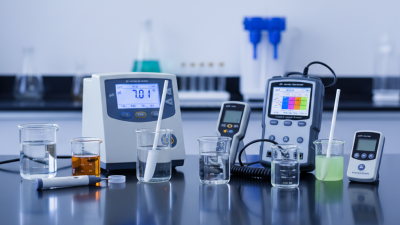
Additionally, some kits feature extra equipment, like a pH meter or turbidity tube. These tools give users a better understanding of water conditions. Yet, they might seem overwhelming at first. Familiarizing yourself with each item is crucial. Experimenting with the kit may lead to errors, but it helps build confidence. Understanding your water quality can illuminate aspects of your environment that need addressing.
How to Use a Tap Water Test Kit: Step-by-Step Guide
Using a tap water test kit is essential for assessing water quality. The process is straightforward and can be done at home. Start by gathering your materials. You'll need the test kit, which typically includes test strips or vials. Fill a clean container with tap water, making sure it’s fresh. Follow the instructions provided in your kit closely. Timing is crucial. Some tests require immediate readings, while others may need you to wait.
When conducting the test, look for common contaminants. These include bacteria, chlorine, lead, and nitrates. According to the Environmental Protection Agency, nearly 10% of Americans receive water that does not meet safe drinking standards. This highlights the importance of regular testing. After you obtain results, compare them to the acceptable levels. It can be disheartening to find contaminants. However, understanding your water quality empowers you to take action.
Reviewing the results can raise more questions than answers. If your water shows high levels of contaminants, consider further investigation. Professional testing may be necessary. Also, reflect on the potential sources of contamination. Old pipes, local pollution, or even your plumbing can affect water safety. Taking steps based on your findings can lead to a healthier home environment.
What is a Tap Water Test Kit and How Does It Work?
| Parameter |
Normal Range |
Test Method |
Health Implications |
| pH Level |
6.5 - 8.5 |
Colorimetric Test |
Affects metal solubility |
| Lead |
< 15 ppb |
Lead Test Kit |
Neurotoxin, harmful to children |
| Chlorine |
0 - 4 mg/L |
DPD Test |
Disinfectant, can be harmful in high doses |
| Nitrates |
0 - 10 mg/L |
Colorimetric Test |
Can cause health issues, especially for infants |
| Bacteria |
None |
Coliform Test |
Indicates possible contamination |
Types of Contaminants Tested by a Tap Water Test Kit
Tap water test kits are essential for anyone concerned about water quality. They help identify harmful substances in drinking water. Common contaminants tested include bacteria, lead, chlorine, and pesticides. Each of these can pose serious health risks over time. For instance, the Environmental Protection Agency (EPA) reports that lead exposure can harm cognitive function, especially in children.
These kits often test for bacterial contamination. Testing for coliform bacteria can reveal potential issues with water sanitation. The World Health Organization indicates that 485,000 people die annually from diarrheal diseases linked to contaminated water. Moreover, the presence of nitrates from agricultural runoff is another common problem. High levels can cause methemoglobinemia, a condition that affects a child's ability to carry oxygen.
The testing process is typically straightforward. Users fill a sample container with tap water and send it to a lab or use color-coded test strips. A visual change indicates the presence of contaminants. However, the accuracy can vary based on how the tests are conducted. Some kits might not detect all harmful substances. It’s important to understand that not all contaminants are visible or tastable. The responsibility lies with the consumer to ensure their drinking water is safe.
Interpreting Test Results: Understanding Your Water Quality
When using a tap water test kit, interpreting your results is crucial. Understanding your water quality can help identify potential contaminants and health risks. Common tests check for lead, nitrates, and bacteria. Reports suggest that about 13% of U.S. households have significant lead levels in their water.
Lead exposure can have serious health effects, especially in children. Even low levels of lead can cause developmental issues. If you detect lead in your results, consider taking further steps. This may involve using filters, letting water run before use, or consulting a professional.
Test kits can offer valuable insights but may not cover all potential issues. They typically test for a limited number of contaminants. For a comprehensive analysis, further testing may be required. Remember, some kits may yield imprecise results. Checking for out-of-date expiration dates is essential.
Tips: Always follow the instructions carefully. Ensure all containers used are clean. If uncertain about any result, do not hesitate to seek expert advice. Regular testing is a good practice, even if previous tests showed clean water. Stay vigilant about your water quality for better health outcomes.
Water Quality Test Results for Tap Water
This bar chart represents the results of various water quality parameters tested using a tap water test kit. The parameters tested include pH, Chlorine, Hardness, Nitrate, and Lead levels. Understanding these parameters is vital for assessing the potability of tap water.