How to Source Glucosamine HCl Ingredient for Your Business?
In today's competitive market, sourcing quality ingredients is crucial for businesses. The demand for Glucosamine HCl ingredient is rising, particularly in the dietary supplement sector. As reported by market research, the global glucosamine market is projected to reach USD 1.12 billion by 2026, indicating strong consumer interest and potential profit.
Understanding the characteristics of glucosamine HCl ingredient is essential. This form of glucosamine is known for its bioavailability and effectiveness in promoting joint health. Reliable suppliers offer transparency in sourcing and provide consistency in quality. However, businesses often face challenges in finding trusted sources that meet regulatory standards.
While the market holds promise, there are aspects to consider critically. Not all suppliers can guarantee the purity and efficacy of their glucosamine HCl ingredient. Conducting thorough due diligence is necessary to avoid potential pitfalls in sourcing. This can enhance reputation and foster long-term success.
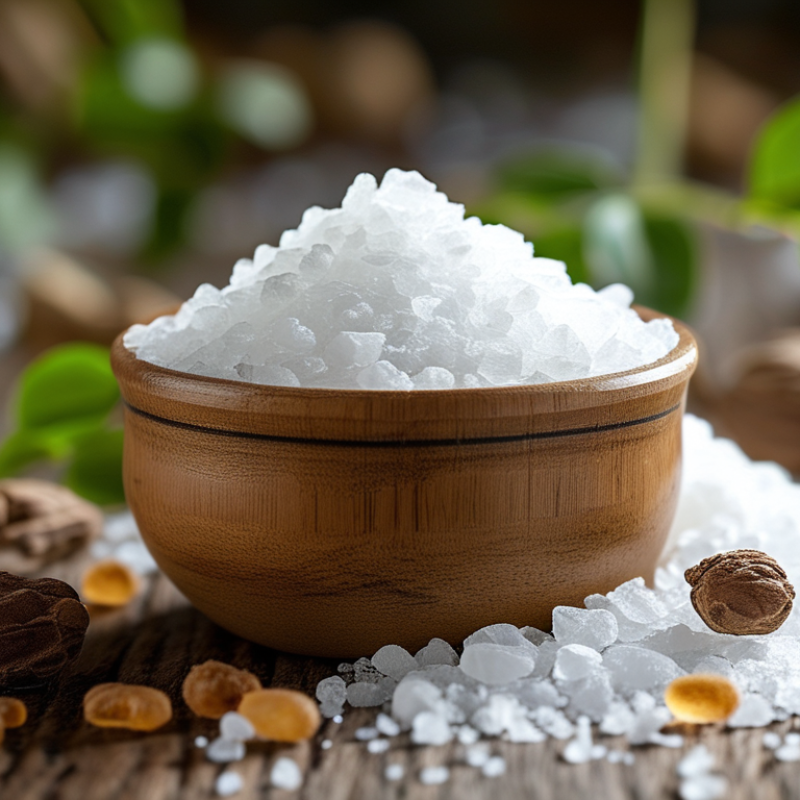
Understanding Glucosamine HCl: Properties and Applications
Glucosamine HCl is a popular supplement in the health and wellness industry. This ingredient, derived primarily from shellfish, is a vital component in joint health products. Research indicates that glucosamine can support cartilage repair and relieve osteoarthritis symptoms. A study published in the journal "Osteoarthritis and Cartilage" found that glucosamine HCl significantly improves joint function and reduces pain in patients.
Understanding the properties of glucosamine HCl is crucial for sourcing it effectively. It is more soluble in water compared to glucosamine sulfate. This makes it an excellent choice for formulations requiring quick absorption. The global glucosamine market is expected to reach $1 billion by 2026, according to market research. This growth highlights the increasing demand for high-quality glucosamine products.
Tips: When sourcing glucosamine HCl, verify the purity and sourcing methods. Look for certifications that ensure the ingredient's safety and quality. Engage with reputable suppliers who can provide relevant documentation and test results.
Keep in mind the variability in consumer preferences. Some customers prefer vegetarian alternatives or non-shellfish sources. Balancing quality, cost, and customer demands may require adjustments in sourcing strategies. Reflection on these factors can enhance product appeal and market competitiveness.
Identifying Reliable Suppliers for Glucosamine HCl
When sourcing Glucosamine HCl for your business, identifying reliable suppliers is crucial. A reputable supplier should provide high-quality ingredients and demonstrate transparency in their sourcing methods. Look for suppliers who share certificates of analysis and research data. This ensures that you receive a product that meets industry standards.
**Tips:** Evaluate the supplier's length of time in the industry. Longer experience often means a deeper understanding of quality. Additionally, ask for references from other businesses. Their experiences can provide insights into the supplier’s reliability.
Engage with suppliers before making orders. Communication is telling. Do they respond promptly? Are they open about their practices? Observing this can reveal their customer service approach. Sometimes, red flags appear when you least expect them. If there are delays or unclear terms, consider revisiting your options.
**Tips:** Check if they offer samples before placing bulk orders. This step allows you to test the quality. Make sure to discuss minimum orders, pricing, and returns. A strong partnership starts with clear expectations on both sides.
Evaluating Quality Standards and Certifications for Ingredients
When sourcing Glucosamine HCl, it's essential to evaluate quality standards and certifications. These factors ensure the ingredient's efficacy and safety. According to a report by the Nutritional Therapeutics Association, over 60% of consumers prioritize ingredient integrity. They seek products backed by verifiable certifications.
One critical standard to look for is Good Manufacturing Practices (GMP). This certification confirms that the ingredient was produced in a controlled environment. It's also advisable to check for third-party testing. Organizations like NSF International and USP provide transparency through rigorous evaluations.
Additionally, consider the source of the raw materials. Research indicates that sustainability affects consumer trust. Ingredients sourced from eco-friendly processes boost credibility. Always demand certificates of analysis (CoA) for transparency. While many suppliers claim quality, a lack of documentation may raise red flags. Confidence in your source is vital for business growth.
Analyzing Pricing and Cost Considerations for Sourcing
When sourcing glucosamine HCl, pricing and cost considerations are crucial. The market for glucosamine has witnessed fluctuations in pricing. As of 2022, average prices ranged between $25 and $45 per kilogram, depending on purity levels and suppliers. It is essential to understand that the cost can vary significantly based on sourcing regions. Manufacturers in the US may charge higher premiums compared to those in countries like China or India.
Quality also plays a significant role in pricing. Higher purity glucosamine often incurs a cost increase of 15-25%. This reflects the additional processing and quality assurance measures taken. Data suggests that around 40% of buyers prioritize purity over price, indicating a growing industry trend. However, the trade-off might lead to sourcing challenges and potential supply chain issues.
Negotiating prices with suppliers requires an understanding of market trends. Reports indicate that demand for glucosamine is expected to rise by 5% annually. This possible increase might affect future pricing. Business owners should consider both immediate costs and long-term market trends. Balancing quality and costs can lead to better partnerships and sustainable sourcing strategies.
Building Long-term Relationships with Glucosamine HCl Suppliers
Building long-term relationships with glucosamine HCl suppliers is essential for any business in this field. Trust is at the core of these partnerships. Take the time to research potential suppliers thoroughly. Look for companies with a proven track record of quality and reliability. Communication is key. Be transparent about your needs and expectations.
Regularly visit your suppliers when possible. Face-to-face interactions can foster mutual understanding. Discuss not just supply needs but also industry trends. This encourages a collaborative atmosphere. Be open to feedback. Suppliers can offer insights into market changes that may affect your business.
Invest time in nurturing these relationships. Sometimes, challenges arise. Orders might be delayed or quality may fluctuate. Use these moments as opportunities for discussion and improvement. Building a strong rapport will help you navigate these issues more effectively. Remember, relationships take effort and continuous engagement.
How to Source Glucosamine HCl Ingredient for Your Business?
| Criteria | Details |
| Supplier Type | Manufacturers, Distributors |
| Quality Standards | cGMP, ISO Certified |
| Sourcing Regions | North America, Europe, Asia |
| Pricing Structure | Bulk Pricing, FOB Terms |
| Lead Time | 4-6 weeks |
| Minimum Order Quantity | 100 kg |
| Payment Terms | Net 30, Letter of Credit |
| Shipping Options | Air Freight, Sea Freight |
| Customer Service | 24/7 Support, Dedicated Account Manager |