Why Is Drinking Water Test Essential for Your Health and Safety
Access to clean and safe drinking water is fundamental for human health and well-being. According to the World Health Organization, approximately 2 billion people worldwide lack access to safely managed drinking water services, which increases the risk of waterborne diseases significantly. Conducting a drinking water test is essential to ensure that the water consumed is free from harmful pollutants, pathogens, and chemicals that can pose serious health risks. For instance, the Centers for Disease Control and Prevention (CDC) reports that about 7 million people in the United States become ill each year from contaminated drinking water.
Moreover, it's not just the immediate impacts of contamination that are concerning; long-term exposure to unsafe drinking water can lead to chronic health issues, including developmental problems in children and increased susceptibility to chronic diseases in adults. The Environmental Protection Agency (EPA) emphasizes the importance of regular drinking water testing to detect contaminants like lead, nitrates, and bacteria. By investing in drinking water tests, individuals and communities can detect problems early, ensuring that their water supply remains safe and healthy for consumption. This proactive approach plays a crucial role in protecting public health and ensuring a sustainable, safe water future for all.
Importance of Drinking Water Quality for Health and Safety
Access to clean, safe drinking water is paramount for maintaining good health and ensuring safety.
Contaminated water can harbor a range of harmful bacteria, viruses, and chemicals that pose significant health risks. Consuming unsafe drinking water can lead to various illnesses, from gastrointestinal infections to chronic diseases. Therefore, prioritizing the quality of drinking water is essential to prevent these potential health hazards and promote overall well-being.
Regular testing of drinking water helps detect any contaminants or pollutants that could affect health. This proactive approach not only ensures that water meets safety standards but also provides peace of mind to consumers.
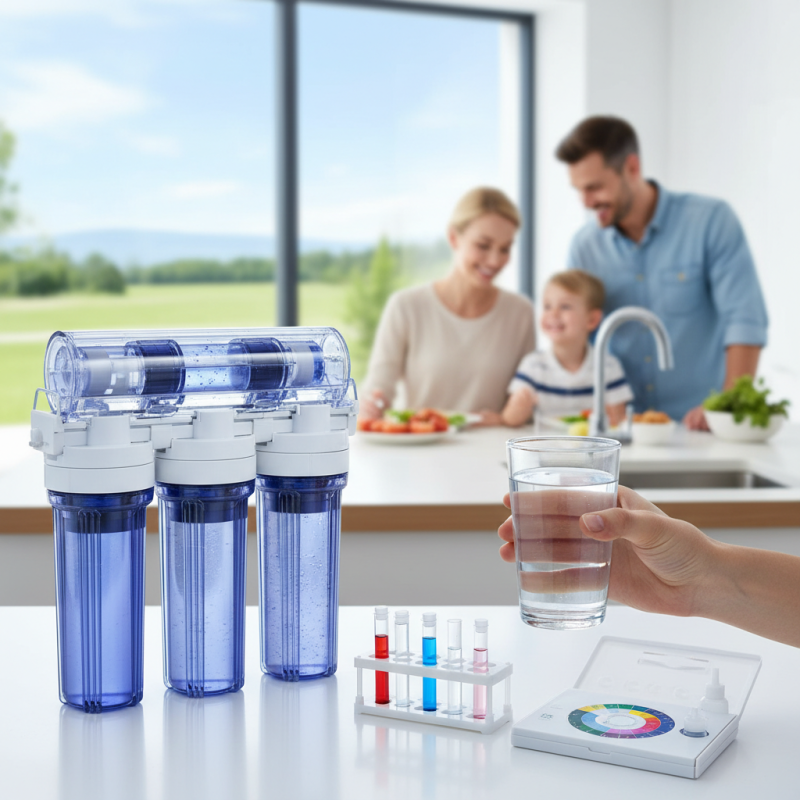
Understanding the importance of water quality allows individuals and communities to take appropriate measures, such as enhancing filtration systems or advocating for safer local water sources. In this way, a commitment to maintaining high drinking water quality is a critical component of safeguarding public health.
Common Contaminants Found in Drinking Water and Their Effects
Drinking water is a vital resource, but it can often be contaminated by various substances that pose risks to health. Common contaminants found in drinking water include heavy metals, microorganisms, and chemicals. For instance, heavy metals such as lead and mercury can enter drinking water sources through industrial runoff and aging infrastructure. Exposure to these metals can lead to serious health problems, including neurological damage and kidney dysfunction, particularly in vulnerable populations such as children and pregnant women.
Another critical factor in water safety is the presence of microorganisms, which can be introduced through sewage leaks or the contamination of water sources. Bacteria, viruses, and parasites like E. coli and Giardia can cause gastrointestinal illnesses and more severe health issues if ingested. Additionally, chemicals such as pesticides and pharmaceutical residues can seep into water supplies, potentially disrupting endocrine functions and contributing to chronic diseases. Understanding these common contaminants and their effects is essential for taking proactive measures to ensure the safety and purity of drinking water, ultimately safeguarding public health.
Methods for Testing Drinking Water Quality
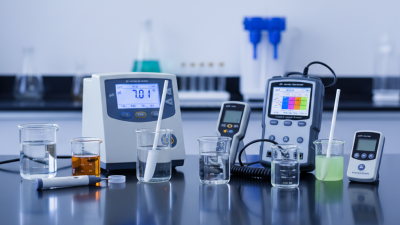
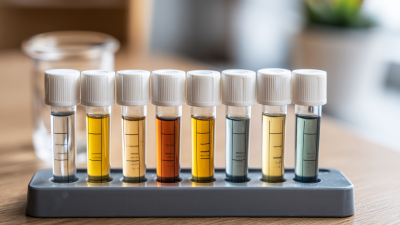
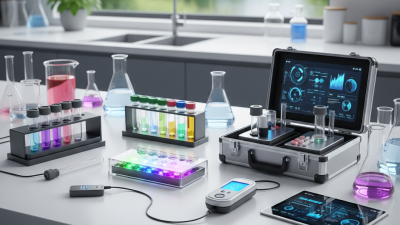
Testing the quality of drinking water is vital for ensuring safety and health, as it helps identify contaminants that may pose risks to human well-being. Various methods can be employed to conduct these tests, each with its own advantages and applications. One common method is the use of test kits that allow individuals to evaluate parameters such as pH, chlorine levels, and the presence of bacteria in their water supply. These kits are user-friendly and provide quick results, making them accessible for households and small communities to assess their drinking water quality regularly.
Another widely used technique for testing water quality involves laboratory analysis. Water samples are sent to certified laboratories where professionals conduct thorough examinations to detect a broader range of contaminants, including heavy metals, nitrates, and organic compounds. Laboratory testing is essential for comprehensive assessment, especially in areas where water sources may be contaminated by industrial activities or agricultural runoff. The detailed reports from these analyses help communities and individuals make informed decisions regarding filtration systems or alternative water sources, thus ensuring that their drinking water remains safe and healthy.
Why Is Drinking Water Test Essential for Your Health and Safety - Methods for Testing Drinking Water Quality
| Test Method |
Parameters Measured |
Frequency of Testing |
Importance |
| Chemical Test |
pH, Hardness, Chlorine |
Monthly |
Ensures chemical safety and integrity of water supply. |
| Bacteriological Test |
Coliform Bacteria, E. coli |
Bi-annually |
Identifies microbiological contamination and health risks. |
| Physical Test |
Turbidity, Color, Odor |
Quarterly |
Assesses aesthetic quality and safety from physical contaminants. |
| Heavy Metal Test |
Lead, Arsenic, Mercury |
Annually |
Detects harmful metals and protects against poisoning. |
| Nutrient Analysis |
Nitrogen, Phosphorus |
Every 2-3 years |
Evaluates water quality for ecological health and sustainability. |
Regulatory Standards for Safe Drinking Water
Regulatory standards for safe drinking water are crucial for protecting public health and ensuring the safety of our water supply. Governments and health organizations around the world have established these regulations to limit contaminants and maintain water quality. These standards encompass various substances, such as pathogens, heavy metals, and chemical pollutants, which can pose serious health risks if present in significant amounts. By adhering to these established guidelines, water authorities can provide assurance that the water consumed is free from harmful levels of these substances.
Moreover, regulatory standards are regularly reviewed and updated to reflect new scientific findings and emerging contaminants. This dynamic approach helps to address ongoing concerns related to water quality, ensuring that it remains safe for consumption. Inspections, testing, and monitoring programs are implemented to assess compliance with these standards, allowing for timely interventions when issues arise. By prioritizing these regulatory frameworks, we can safeguard communities and promote overall health through accessible and clean drinking water.
Importance of Drinking Water Testing for Health and Safety
This chart illustrates the levels of common contaminants found in drinking water and their regulatory standards. Regular testing of drinking water can ensure that these levels remain within safe limits to protect public health.
Steps to Take if Your Drinking Water is Contaminated
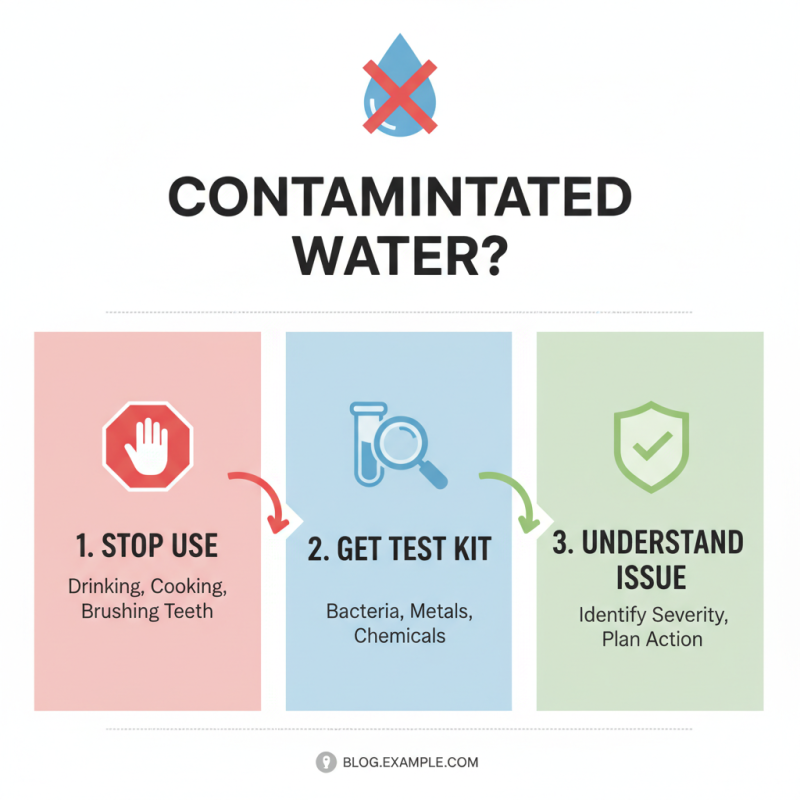
If you suspect that your drinking water may be contaminated, the first step is to stop using it for drinking, cooking, or brushing your teeth. This precaution helps to minimize any potential health risks from harmful substances or pathogens that could be present. Next, consider obtaining a water testing kit to evaluate the purity of your water supply. Testing can identify contaminants such as bacteria, heavy metals, and chemicals, helping you understand the severity of the issue.
Once the contaminants are identified, it’s essential to take appropriate action. If your water test reveals dangerous levels of pollutants, one effective solution is to install a water filtration system that can remove specific contaminants. Alternatively, you might consider sourcing bottled water or utilizing a community water supply that meets safety guidelines. Additionally, it is crucial to report any contamination issues to local health authorities, as they can provide guidance on further steps and may assist in addressing the water quality problem within your community. Taking these proactive measures will help ensure that you and your family have safe drinking water.