Why is a conductivity meter important in water testing?
Water quality is essential for health and the environment. A conductivity meter plays a crucial role in testing it. Dr. John Smith, a renowned expert in water quality assessment, emphasizes, “Understanding conductivity is key to evaluating water purity.” This highlights the importance of accurate measurements.
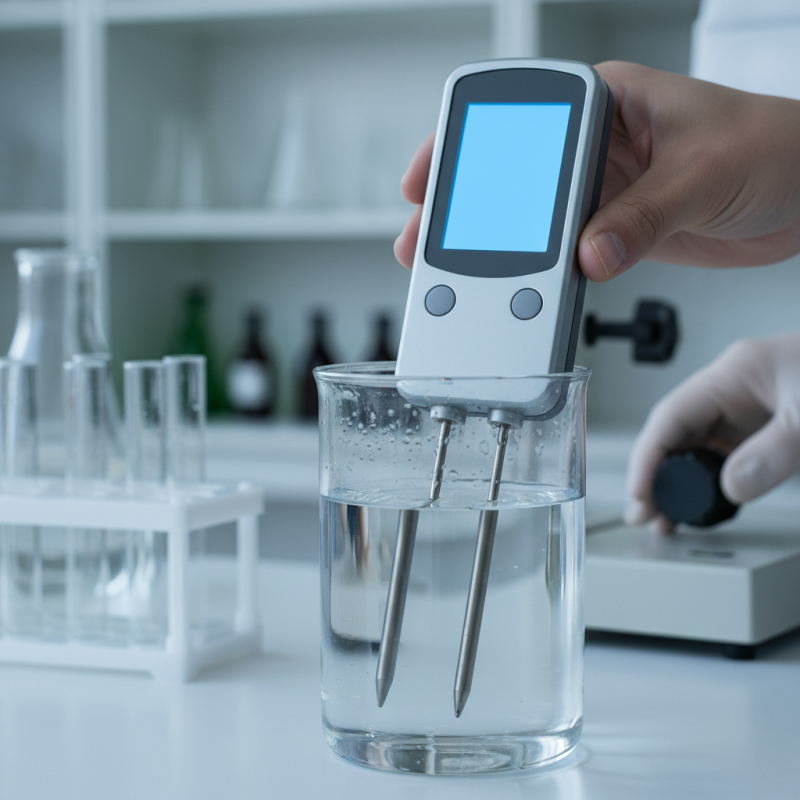
Conductivity meters measure the electrical conductivity of water. This indicates the concentration of ions present. High conductivity could mean contamination. It can signal pollutants or excess nutrients. Testing helps prevent potential health risks associated with poor water quality.
However, some may overlook this vital tool. Many believe that water appears clean without testing. That assumption can be misleading. Regular measurements using a conductivity meter are necessary for maintaining safety. The results from a conductivity meter can reveal insights that are easy to miss. Investing in this equipment ensures informed decisions about water use and safety.
Importance of Conductivity in Water Quality Assessment
Conductivity is a key indicator of water quality. It measures how easily electricity flows through water, revealing the presence of ions. These ions can come from dissolved salts, minerals, and pollutants. According to the World Health Organization (WHO), high conductivity levels may indicate water contamination. This can severely impact aquatic life and human health.
Monitoring conductivity helps detect changes in water quality. For instance, freshwater typically has a conductivity range of 0 to 1,500 µS/cm. Exceeding this range might signal industrial discharges or agricultural runoff. Such contaminants affect ecosystems. For instance, rivers near urban areas show increased conductivity levels. A study showed that urban runoff can cause conductivity to rise by 50% or more.
Water treatment facilities use conductivity meters regularly. They provide real-time data, allowing for quick responses to contamination. However, relying solely on conductivity readings can be misleading. Not all conductivity rise indicates pollution. Some natural processes increase ion concentrations. Therefore, it’s crucial to analyze the context of conductivity data. Understanding this helps maintain healthy water resources.
Importance of Conductivity in Water Quality Assessment
Understanding Conductivity and Its Measurement
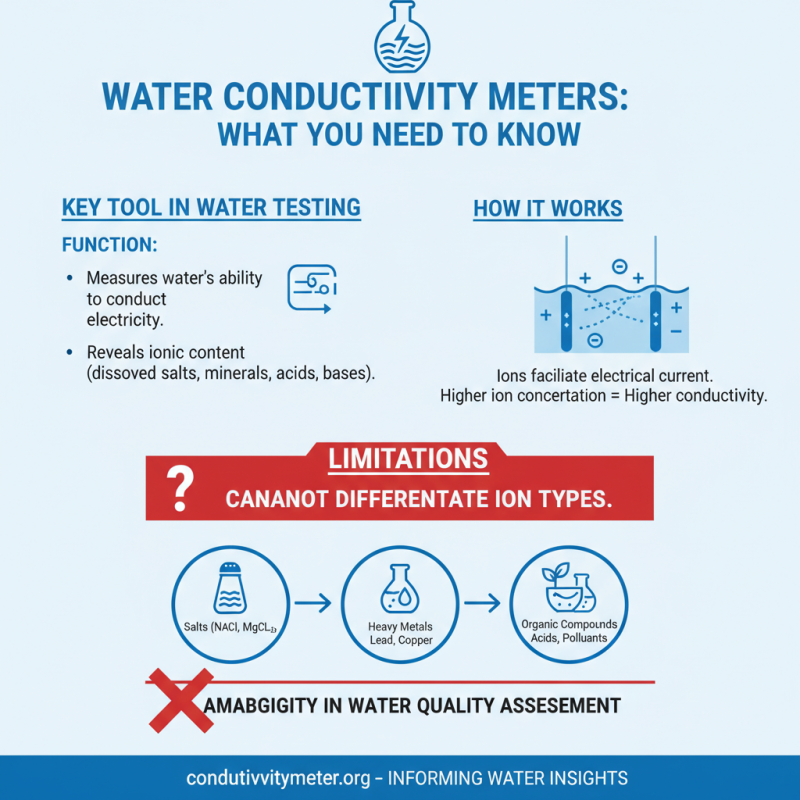
Conductivity is a crucial parameter in water testing. It indicates the water's ability to conduct electricity. This property reflects the concentration of ions present in the water. The more ions, the higher the conductivity. Common ions include sodium, potassium, and chlorides. According to the United States Environmental Protection Agency (EPA), high conductivity may suggest pollution. It can indicate the presence of fertilizers or industrial waste.
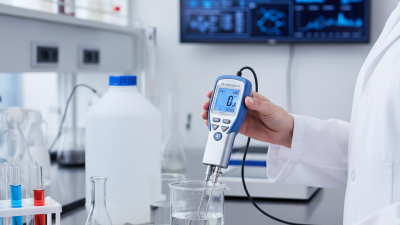
Understanding how to measure conductivity is essential. A conductivity meter provides accurate readings for water quality assessment. It offers quick results, which is vital for timely decision-making. Different water bodies have varying conductivity levels. For example, freshwater has lower conductivity than seawater. The typical range for freshwater is 0 to 500 µS/cm, while saltwater can exceed 50,000 µS/cm. Regular testing helps maintain ecosystem health.
Tip: When testing water, ensure the meter is calibrated. This ensures accuracy in readings.
Another important aspect is temperature compensation. Conductivity readings can vary with temperature changes. A reliable meter adjusts for this factor automatically. If your meter lacks this feature, consider manual adjustments for accurate results.
Tip: Always clean the probes after use. This prevents contamination and ensures longevity of the equipment.
Applications of Conductivity Meters in Various Water Tests
Conductivity meters play a crucial role in various water testing applications. They measure the capacity of water to conduct electricity. This property is directly related to the concentration of ions in the water. In environmental monitoring, these meters help assess water quality in rivers and lakes. For example, high conductivity can indicate pollution levels from industrial runoff.
In agricultural settings, farmers use conductivity meters to test irrigation water. They ensure that the water is safe for crops. Too many ions can harm plants. Additionally, aquaculture relies on conductivity readings to maintain healthy aquatic environments. These meters inform about changes that may stress fish and other species. Regular monitoring is essential.
Despite their importance, users sometimes overlook calibration procedures. Improper calibration can lead to inaccurate readings. This oversight might result in poor management decisions. It highlights the need for proper training in using conductivity meters. The water testing community must strive for higher standards in measurement practices.
Why is a conductivity meter important in water testing? - Applications of Conductivity Meters in Various Water Tests
| Water Source |
Conductivity (µS/cm) |
Importance of Conductivity |
Typical Applications |
| River Water |
120 - 800 |
Indicates the presence of dissolved salts and pollutants |
Environmental monitoring, pollution assessment |
| Tap Water |
300 - 500 |
Ensures drinking water quality and safety |
Water quality testing, health assessments |
| Aquarium Water |
200 - 1200 |
Maintains suitable environment for aquatic life |
Aquaculture, fish health monitoring |
| Wastewater |
1000 - 5000 |
Determines waste concentration and treatment efficiency |
Wastewater treatment, regulatory compliance |
| Hydroponic Solutions |
1000 - 3000 |
Optimizes nutrient levels for plant growth |
Agricultural monitoring, nutrient management |
Impact of Conductivity on Aquatic Life and Ecosystems
Conductivity is a critical factor in aquatic ecosystems. It measures the ability of water to conduct electricity, which is influenced by dissolved ions. High conductivity levels can indicate pollution. Many freshwater species thrive within specific conductivity ranges. When levels are too high or too low, it can lead to stress or even death.
Studies show that fish like trout prefer conductivity below 300 µS/cm. In contrast, some tolerant species thrive above 1000 µS/cm. Variations in conductivity can disrupt reproductive cycles, leading to population declines. For instance, a study indicated that increased salinity, linked to conductivity, affected fish reproduction rates significantly.
The health of aquatic life reflects ecosystem balance. Abnormal conductivity levels can trigger harmful algal blooms. These blooms deplete oxygen and disrupt food webs. In turn, this affects not just aquatic species but also birds and mammals that rely on these water sources. Monitoring conductivity is vital. However, it’s often overlooked. Understanding these dynamics reveals the delicate balance in our waters.
Limitations of Conductivity Meters in Water Analysis
Conductivity meters are vital tools in water testing. They help measure the ability of water to conduct electricity, revealing vital information about its ionic content. However, these instruments come with limitations. One notable issue is that they cannot differentiate between types of ions. For instance, high conductivity may arise from various substances — salts, heavy metals, or organic compounds. This ambiguity often complicates water quality assessments.
Another limitation is the temperature dependence of conductivity readings. As water temperature changes, so does its conductivity. Without temperature compensation, readings can be misleading. A 25°C standard may not accurately reflect conditions in warmer water. Additionally, conductivity meters can be affected by the presence of turbidity or dissolved solids. This interference can lead to errors, which can impact the analysis.
Furthermore, frequent calibration is necessary to maintain accuracy. Users may overlook this step, leading to an underestimation of the device's error margin. Overall, while conductivity meters provide valuable insights into water chemistry, users must approach their readings with caution and awareness of these limitations.