2026 How to Use an EC Meter for Accurate Measurements?
In the realm of agriculture and hydroponics, precision is vital. Accurate measurements of nutrient concentration can make or break a crop yield. An EC meter, or electrical conductivity meter, plays a crucial role in this process. Reports indicate that nearly 70% of growers rely on these devices to optimize plant health and growth. This highlights their importance in modern farming techniques.
Using an EC meter can seem straightforward, yet many users overlook key factors. Calibration is essential. Studies show that improper calibration can lead to measurement errors exceeding 20%. Additionally, regular maintenance is often neglected. This oversight can compromise the reliability of the readings. Professionals recommend routine checks to ensure accurate data collection.
Understanding the nuances of using an EC meter can significantly enhance crop performance. Many users fail to grasp the impact of temperature on readings. Such misunderstandings can lead to misguided decisions. Engaging with industry experts and up-to-date training can refine user skills. Investing time in these areas not only fosters reliability but also cultivates successful farming practices.
Understanding the Basics of EC Meters and Their Functionality
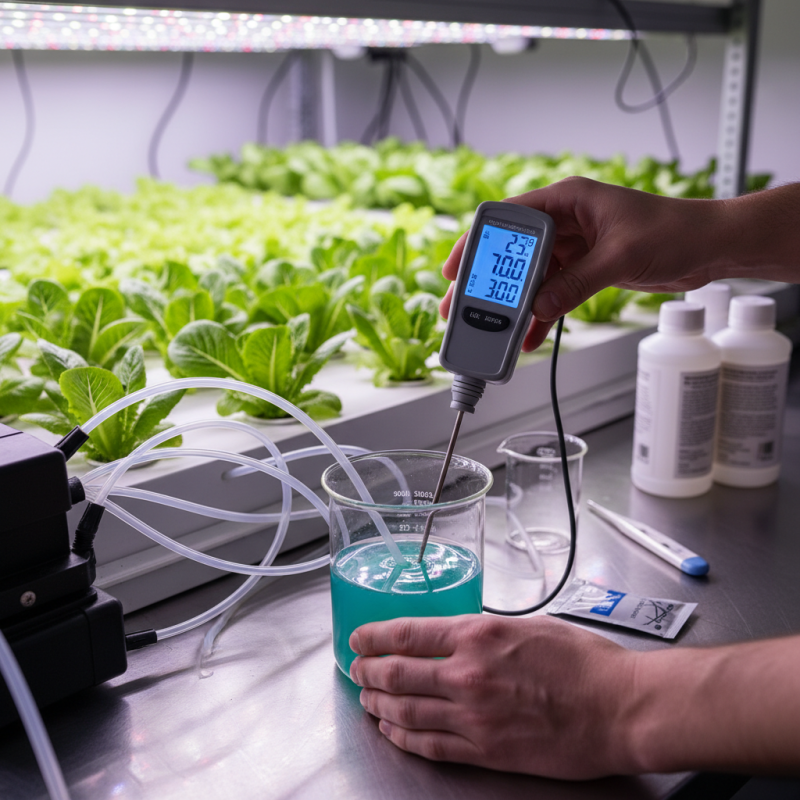
An EC meter measures electrical conductivity in liquids. Understanding how this tool works is crucial for accurate readings. EC meters help gauge nutrient levels in hydroponics and agriculture. Knowing the fundamentals enhances their effectiveness.
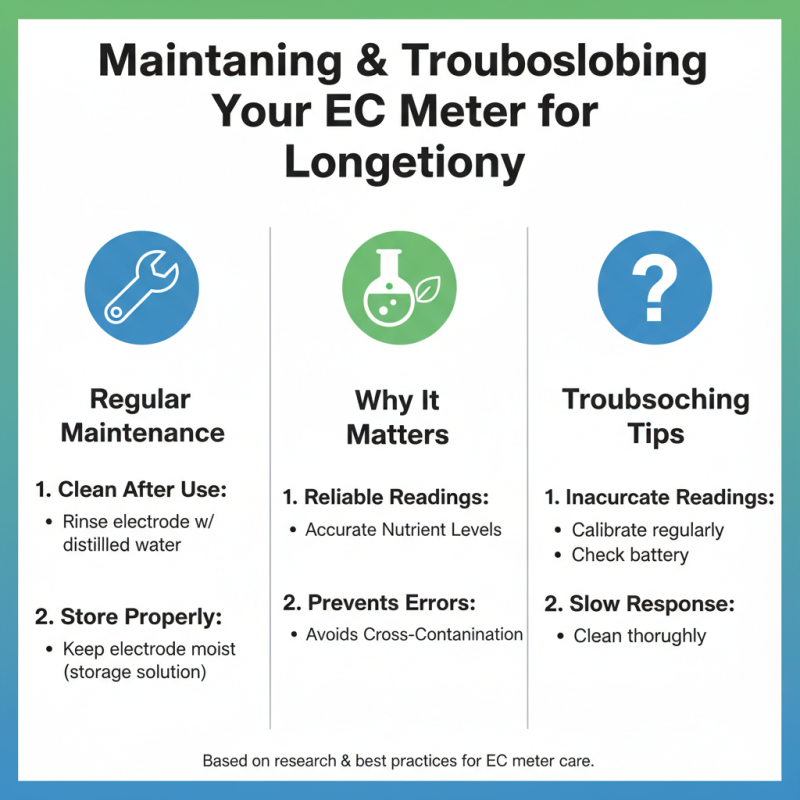
When using an EC meter, ensure it is calibrated properly. Calibration can influence accuracy. A simple step like rinsing the probe before use can yield better results. Even tiny residues can skew data. Using distilled water for cleaning is advisable. It prevents contamination.
Here's a tip: record your readings consistently. This habit helps identify trends over time. Monitoring fluctuations can help determine optimal conditions for your plants. Remember to consider environmental factors, as they can affect your measurements too. Regular practice in using an EC meter can lead to more reliable data and improved outcomes in your endeavors.
Choosing the Right EC Meter for Your Needs and Budget
Finding the right EC meter can feel overwhelming. With so many options available, it's essential to consider your specific needs. If you're a beginner, a simple, user-friendly model will suffice. Look for one with a clear display and straightforward calibration. This will help you get accurate readings without the complexity.
Your budget plays a big role too. Lower-priced meters might lack advanced features, but they can still provide reliable measurements for general use. If you have more experience, investing in a mid-range or high-end model may be worth it. These often come with better accuracy and durability. However, ensure they match your specific requirements.
It's also important to think about where you'll use the EC meter. For indoor gardening, a portable option is beneficial. If you're measuring solutions in a lab, precision becomes crucial. Each situation calls for a different approach. Reflect on what aspects are most important for you. Balancing quality and budget can help you make an informed decision.
2026 EC Meter Performance Overview
Step-by-Step Guide to Calibrating Your EC Meter Accurately
Calibrating an EC meter correctly is essential for precise measurements. The process may seem straightforward, but small errors can lead to significant discrepancies. Begin by selecting a reliable calibration solution with a known EC value. This ensures that your readings will be accurate and useful.
First, rinse the EC meter electrode with distilled water to eliminate any residual contaminants. Dip the electrode into the calibration solution. Wait for the reading to stabilize. This may take a few moments, so patience is crucial. It’s easy to get impatient and assume the meter is ready when it is not.
Adjust the meter according to the manufacturer's instructions until it reads the correct value of the calibration solution. If the reading diverges, recalibrate and check again. Mistakes happen, and reflecting on discrepancies can enhance your understanding. Regular calibration is key, especially when using the meter frequently in varying conditions. Over time, you might uncover patterns in your readings that require reevaluation of your calibration routine. Keep track of your calibration history. This can guide your adjustments and enhance reliability.
2026 How to Use an EC Meter for Accurate Measurements? - Step-by-Step Guide to Calibrating Your EC Meter Accurately
| Step |
Description |
Tools Needed |
Frequency |
| 1 |
Gather Supplies: EC meter, calibration solutions, distilled water |
EC Meter, Calibration Solutions |
Before each use |
| 2 |
Rinse the sensor with distilled water to remove contaminants |
Distilled Water |
Every measurement |
| 3 |
Prepare calibration solutions according to manufacturer instructions |
Calibration Solutions |
Before calibration |
| 4 |
Submerge the EC meter's sensor in the first calibration solution |
EC Meter |
Every calibration |
| 5 |
Record the reading and adjust the calibration as necessary |
Calibration Adjustments |
As needed |
| 6 |
Repeat the process with the next calibration solution |
Calibration Solutions |
Every calibration |
| 7 |
Rinse the meter sensor again before taking measurements |
Distilled Water |
Every measurement |
| 8 |
Take measurements in your sample solution |
Sample Solution |
As required |
| 9 |
Store the meter properly after use |
Storage Case |
After each use |
Best Practices for Taking Accurate EC Measurements
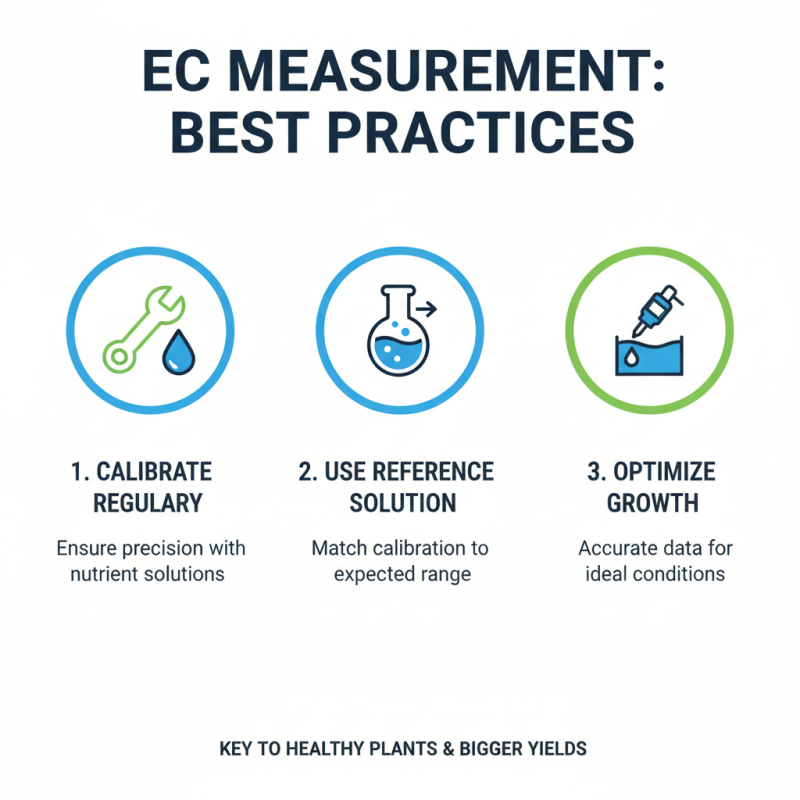
Accurate EC measurements are crucial for maintaining optimal growing conditions. Using an EC meter effectively can significantly enhance your monitoring efforts. Begin by calibrating your meter regularly. Calibration ensures precision, especially if you are working with nutrient solutions. A calibration solution should match the expected range of your measurements.
Always rinse the probe with distilled water before and after each measurement. This prevents cross-contamination and ensures the reliability of your readings. Take measurements at the same temperature. Temperature affects conductivity; thus, consistency is key. It's also best to take readings in a stable environment, away from direct sunlight or extreme temperatures.
If your readings seem off, consider potential sources of error. Are you using clean containers? Were the samples stirred adequately? Small details can lead to significant discrepancies. Reflect on these aspects regularly to improve your technique. A little attention can yield more accurate results, ultimately benefiting your plants.