How to Get a Free Water Test Kit and Ensure Your Water Safety Today
Water quality is a critical aspect of public health, yet many households are unaware of the potential contaminants in their drinking water. According to the Environmental Protection Agency (EPA), an estimated 45% of Americans rely on privately-owned well systems, which are not regulated under the Safe Drinking Water Act. This lack of oversight places the onus of water safety on homeowners, making access to reliable testing essential. A free water test kit can be a valuable resource for individuals looking to understand their water quality and protect their health.
Moreover, the Centers for Disease Control and Prevention (CDC) reports that contaminants such as lead, nitrates, and harmful bacteria can pose significant health risks, particularly in vulnerable populations such as children and pregnant women. By utilizing a free water test kit, consumers can gain insight into potential hazards present in their water supply, enabling them to make informed decisions about their drinking water usage. Regular testing not only fosters a proactive approach to health and safety but also promotes greater awareness of water quality issues that may affect communities at large.
In light of increasing concerns surrounding water pollution and the impact of aging infrastructure on water systems, it is more critical than ever for individuals to take initiative in ensuring the safety of their water. By obtaining a free water test kit, residents can effectively monitor their drinking water quality, contributing to broader public health efforts and advocating for safer water practices.
How to Identify the Need for a Water Test in Your Home
Home water testing is crucial for ensuring the safety and quality of your drinking water. There are several signs that indicate the need for a water test in your home. First, any sudden changes in water taste, odor, or color can signal contamination. If your water has a metallic taste or smells like rotten eggs, it’s essential to investigate further, as these could be signs of harmful substances. Furthermore, an unusual cloudiness in your water can indicate the presence of particles or microorganisms, necessitating immediate testing.
Additionally, if you live in an area with known environmental concerns, such as industrial sites or agricultural activities that may affect groundwater, regular testing is recommended. Homeowners with older plumbing systems should also be vigilant, as lead and copper can leach into the water supply from aging pipes. Regular tests help establish a baseline for water quality; any deviations can then prompt action to ensure safe drinking water. By being aware of these indicators, you can take proactive steps to maintain the health and safety of your household water supply.
Where to Find Free Water Test Kits Available in Your Area
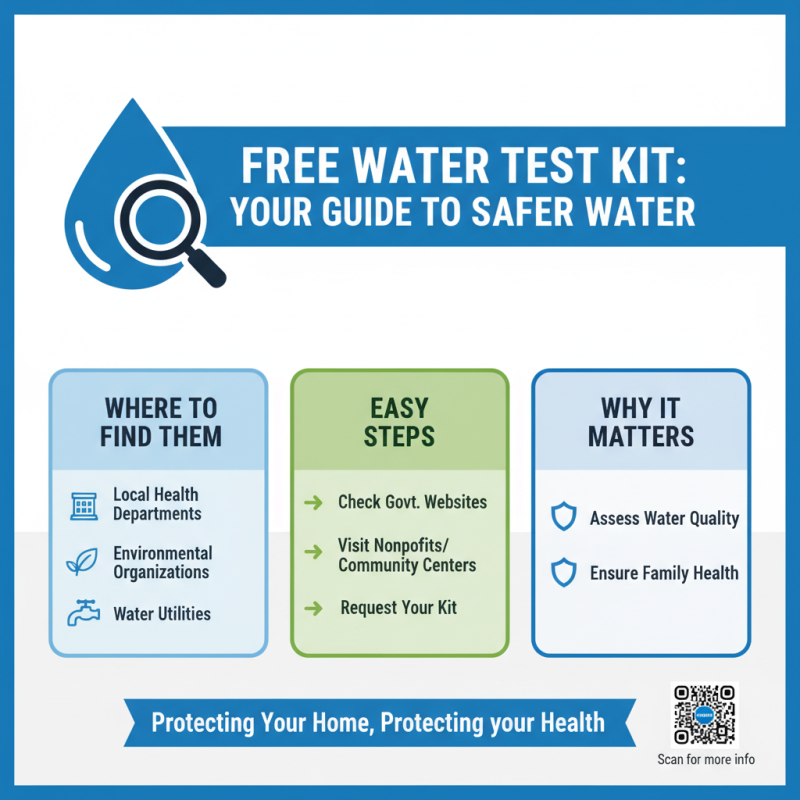
When it comes to ensuring your water safety, obtaining a free water test kit can be a crucial step. Many local health departments, environmental organizations, and water utilities offer these kits to help residents assess the quality of their drinking water. Start by checking your local government’s website, where you can typically find information about available resources or community programs focused on water safety. Additionally, nonprofit organizations and local community centers often provide access to free testing kits, making it easier for you to get started.
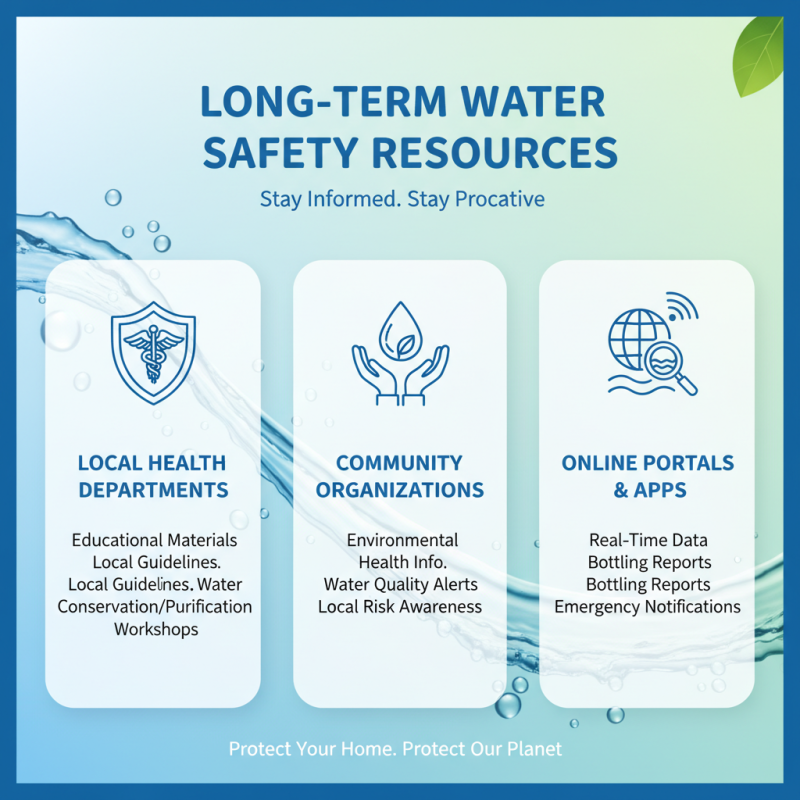
Tips for finding a water test kit in your area include reaching out to your water supplier directly; they may have testing programs in place. Social media platforms and community groups can also be valuable resources, as members often share information about local offers or initiatives. Don’t hesitate to contact your local health department for specific guidance on where to seek out these free kits, as they may also provide educational materials and support for interpreting your test results.
Once you acquire a kit, ensure you follow the instructions closely to get accurate results. Testing your water regularly can help you identify any potential contaminants and take action before they become a more significant issue. Engage with your community and spread the word about the importance of water safety – empowering others can create a ripple effect that benefits the entire neighborhood.
Step-by-Step Instructions for Using a Water Test Kit
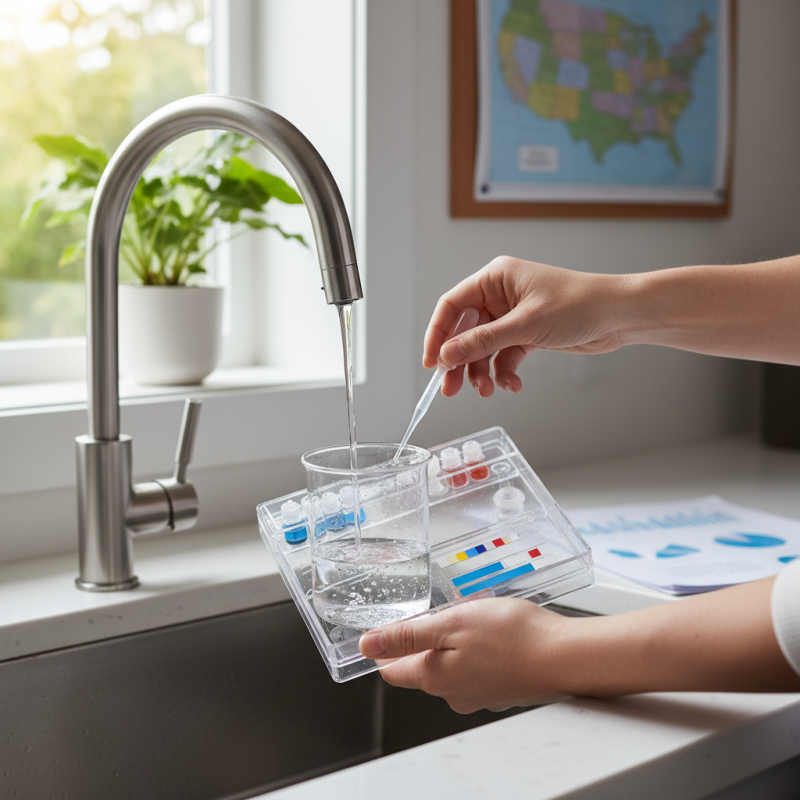
When you receive your free water test kit, the first step is to carefully read the instructions provided. Make sure you understand what parameters you will be testing for, such as pH levels, lead, nitrates, or bacteria. Gather all necessary materials, including clear containers for samples and any protective gear indicated in the instructions. Avoid contact with the samples to ensure accurate results.
Next, collect your water samples according to the guidelines. Typically, you will want to get samples from various sources such as faucets, showerheads, and even outside spigots. It’s essential to let the water run for a few minutes before collecting samples to ensure you’re getting a true representation of your water quality. Label each sample clearly with the source to avoid confusion later on.
**Tips:** Always use clean, dry containers to avoid contamination. When in doubt about sample collection procedures, refer back to the instruction manual for clarity. Finally, store your samples safely as indicated until you can send them off for analysis. Following these steps will give you the best chance of accurately assessing your water safety.
How to Get a Free Water Test Kit and Ensure Your Water Safety Today - Step-by-Step Instructions for Using a Water Test Kit
| Test Parameter |
Ideal Level |
Testing Method |
Frequency of Testing |
| pH Level |
6.5 - 8.5 |
pH Test Strips |
Monthly |
| Nitrates |
0 - 10 mg/L |
Colorimetric Test |
Quarterly |
| Lead |
0 µg/L |
Lead Test Kit |
Annually |
| E. coli |
0 CFU/100 mL |
Membrane Filtration |
As Needed |
| Hardness |
< 120 mg/L |
Hardness Test Kit |
Semi-Annually |
Understanding the Results of Your Water Test
Understanding the results of your water test is crucial for ensuring the safety and quality of your drinking water. Once you receive your test kit and complete the testing process, you will typically review several key parameters. Common contaminants tested include bacteria, lead, nitrates, and chlorine. Each of these elements has specific health implications, making it essential to understand what the results indicate about your water's safety.
When you analyze your test results, look for levels of contaminants relative to established safety standards. For instance, the presence of coliform bacteria can indicate potential contamination by pathogens, while elevated lead levels may pose serious health risks, especially for young children. If your test shows any concerning results, it’s important to consider follow-up actions, such as additional testing or installing filtration systems. Understanding what your results mean allows you to take informed steps to protect your health and improve your water quality effectively.