What is DL-Methionine and its Uses in Health?
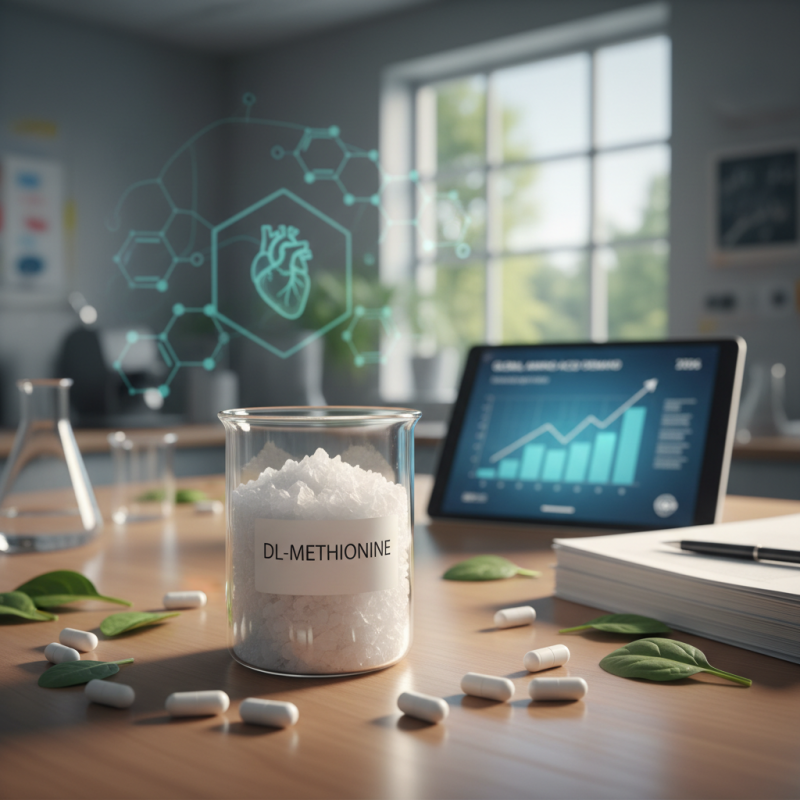
DL-Methionine is a critical amino acid with various health benefits. Research indicates that it plays a pivotal role in many biological processes. According to a report by Transparency Market Research, the global demand for amino acids, including DL-Methionine, is expected to reach USD 18.5 billion by 2026. This reflects the growing interest in amino acid supplements.
DL-Methionine is essential in protein synthesis, metabolism, and detoxification. It helps maintain healthy levels of homocysteine, a factor linked to heart issues. Moreover, research indicates that it may support liver function and antioxidant activity. However, more studies are needed to fully understand its potential benefits.
Despite its usefulness, some concerns exist. High doses of DL-Methionine may lead to undesirable side effects. Individuals must carefully consider their intake. Balancing its benefits and risks remains crucial. Ultimately, understanding DL-Methionine’s role in health can inform better dietary choices.
Overview of DL-Methionine: Definition and Composition
DL-Methionine is a sulfur-containing amino acid. It plays a crucial role in many biological processes. This compound is synthesized in the body and can also be obtained from dietary sources. Common foods rich in methionine include eggs, fish, and nuts. This compound is essential for various functions, including protein synthesis and metabolism.
In terms of composition, DL-Methionine consists of both D and L forms. This unique blend makes it beneficial in different ways. The D form helps in producing other important molecules. The L form is more biologically active and is utilized by the body efficiently. However, too much methionine can lead to health concerns. Overconsumption may result in elevated homocysteine levels, which is linked to cardiovascular issues.
Health professionals often discuss DL-Methionine’s role in detoxification and antioxidant support. It contributes to the synthesis of cysteine, which is vital for producing glutathione. This tripeptide helps neutralize free radicals. Nonetheless, while it has advantages, balance is key. Relying too heavily on a single amino acid can lead to nutrient imbalances. This is an area for further reflection and exploration.
Health Benefits of DL-Methionine in Human Nutrition
DL-Methionine is an essential amino acid that plays a crucial role in human nutrition. It contributes to various metabolic processes and is vital for maintaining overall health. This amino acid is involved in synthesizing proteins, which are the building blocks of tissues. Moreover, it aids in the regulation of sulfur levels in the body.
One of the health benefits of DL-Methionine is its potential to improve mood and cognitive function. Studies suggest that it may support neurotransmitter production, promoting better mental well-being. Additionally, its antioxidant properties can help protect cells from oxidative stress. Antioxidants are essential for combating free radicals, which can damage DNA and other cellular structures. However, more research is needed to fully understand these effects.
DL-Methionine may also play a role in liver health. It can assist in detoxifying harmful substances in the body. This detoxification process is crucial, especially for individuals exposed to environmental toxins. Still, not everyone may experience these benefits equally. Individual dietary needs and health conditions vary widely. While some may thrive on higher levels of this amino acid, others may not notice significant changes. This invites reflection on how personal health regimes should be tailored to individual situations rather than adopting a one-size-fits-all approach.
Common Uses of DL-Methionine in Dietary Supplements
DL-Methionine is an essential amino acid. It's crucial for protein synthesis and various metabolic processes. In dietary supplements, it plays several significant roles. Many people take it to support liver health. It helps detoxify harmful substances in the body. This detoxification process is vital for overall well-being.
In addition to liver support, DL-Methionine may enhance mood. Some studies suggest it could improve symptoms of depression. It may also aid in muscle recovery after intense workouts. Athletes often seek supplements containing DL-Methionine for these reasons. However, individual results can vary greatly.
Tips:
When considering DL-Methionine, consult a healthcare professional first. The right dosage is essential. Too much could lead to adverse effects. Keep a journal of how you feel after taking it. This can help you monitor its effects on your body. Remember, dietary supplements should complement a balanced diet, not replace it.
DL-Methionine's Role in Disease Prevention and Treatment
DL-Methionine plays a significant role in health, particularly in disease prevention and treatment. This essential amino acid is crucial for many bodily functions. It acts as an antioxidant, helping to neutralize free radicals. Research shows that individuals with lower methionine levels may have a higher risk of chronic diseases. A study revealed that adequate methionine intake could reduce the risk of cardiovascular diseases by up to 25%.
Moreover, DL-Methionine may assist in mental health management. Some reports indicate that it could help alleviate symptoms of depression. In a clinical trial, participants taking methionine supplements showed notable mood improvements. This highlights the potential of DL-Methionine in supporting cognitive functions.
Despite its benefits, not all outcomes are positive. Some studies suggest excessive methionine can lead to health issues, such as increased homocysteine levels. Elevated homocysteine is associated with cardiovascular problems. Thus, while DL-Methionine is vital, its dosage should be monitored closely. Health professionals must consider both the risks and benefits when recommending methionine supplementation.
Potential Side Effects and Precautions of DL-Methionine Usage
DL-Methionine is an amino acid with various health benefits. However, its usage comes with potential side effects that should not be overlooked. Some individuals may experience nausea or gastrointestinal discomfort. Headaches can also occur in certain cases.
Allergic reactions are rare but possible. Symptoms might include rash or itching. If these arise, it is crucial to discontinue use and consult a healthcare professional. Additionally, excessive consumption may lead to increased homocysteine levels, posing cardiovascular risks.
Precautions are essential when considering DL-Methionine. Always discuss with a healthcare provider before starting. This is particularly important for those with existing health conditions. Pregnant or nursing individuals should be cautious. Striking a balance between benefits and risks is vital. Thus, understanding dosage and personal tolerance matters significantly.
DL-Methionine Uses and Potential Side Effects