Top 10 Conductivity Meters for Accurate Water Quality Testing
When it comes to ensuring water quality in various settings, a reliable conductivity meter is an essential tool for both professionals and enthusiasts alike. Conductivity meters measure the ability of water to conduct electricity, which is directly related to the presence of dissolved ions. This measurement is crucial for assessing overall water quality, as it can indicate the concentration of salts, minerals, and contaminants. With the growing emphasis on environmental sustainability and public health, understanding the conductivity of water sources has become increasingly important.
In this guide, we will showcase the top 10 conductivity meters available on the market today that excel in delivering precise and accurate readings for water quality testing. Each of these devices offers unique features tailored to meet the needs of different users, from aquarists and hydroponics growers to environmental scientists and water treatment professionals. We will explore key aspects such as measurement range, accuracy, ease of use, and additional functionalities to help you select the best conductivity meter for your specific testing requirements. Whether you are monitoring local bodies of water or managing a controlled environment, understanding how to choose the right conductivity meter can greatly enhance your water quality testing efforts.
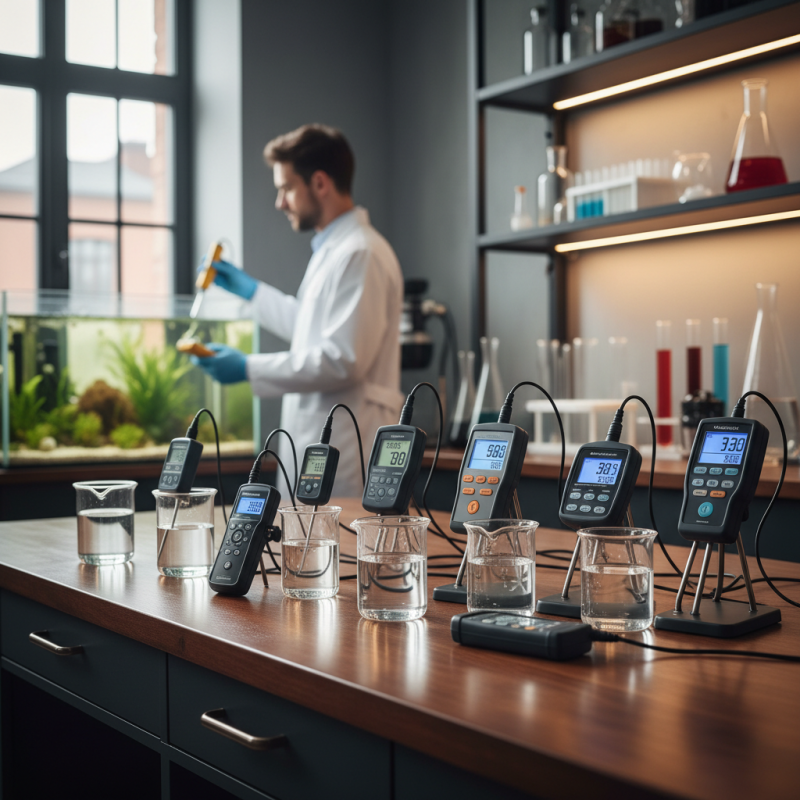
Overview of Conductivity Meters and Their Importance in Water Testing
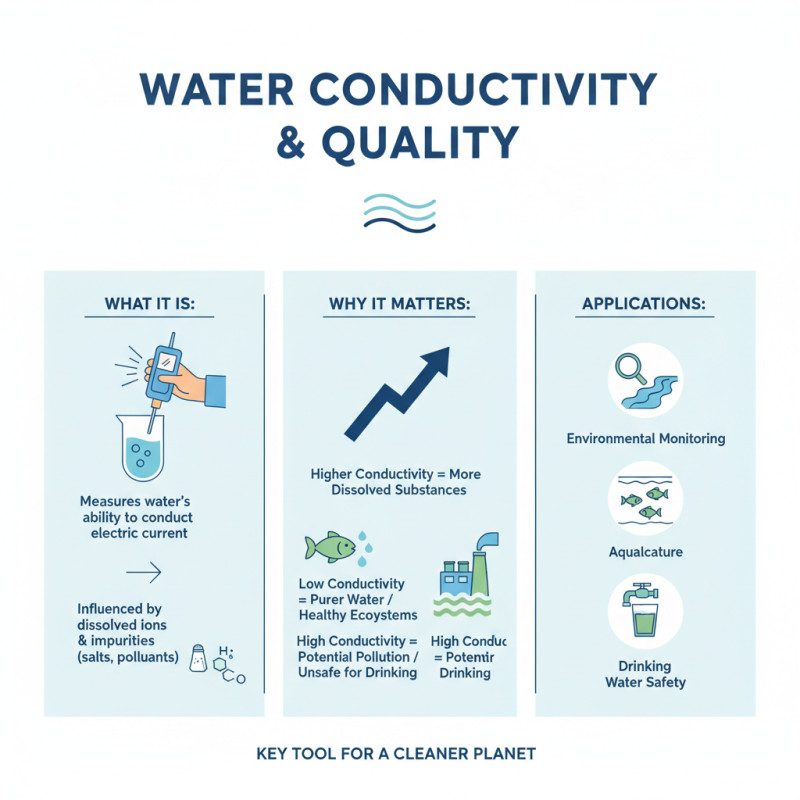
Conductivity meters are essential tools in assessing water quality, as they measure the ability of water to conduct electrical current, which is influenced by the concentration of ions and impurities present. A higher conductivity level typically indicates a greater concentration of dissolved salts or pollutants, making these meters vital for various applications, including environmental monitoring, aquaculture, and drinking water safety. Understanding conductivity is crucial, as it directly correlates to the overall health of aquatic ecosystems and the suitability of water for human consumption.
Accurate conductivity measurements not only inform water quality assessments but also help in regulatory compliance and scientific research. In many industries, such as agriculture and aquaponics, maintaining appropriate conductivity levels is critical for plant growth and fish health. Therefore, utilizing high-quality conductivity meters can significantly impact operational efficiency and environmental stewardship. By investing in reliable measurement instruments, individuals and organizations can ensure the safety and quality of their water sources, contributing to sustainable practices and public health.
Key Features to Consider When Choosing a Conductivity Meter
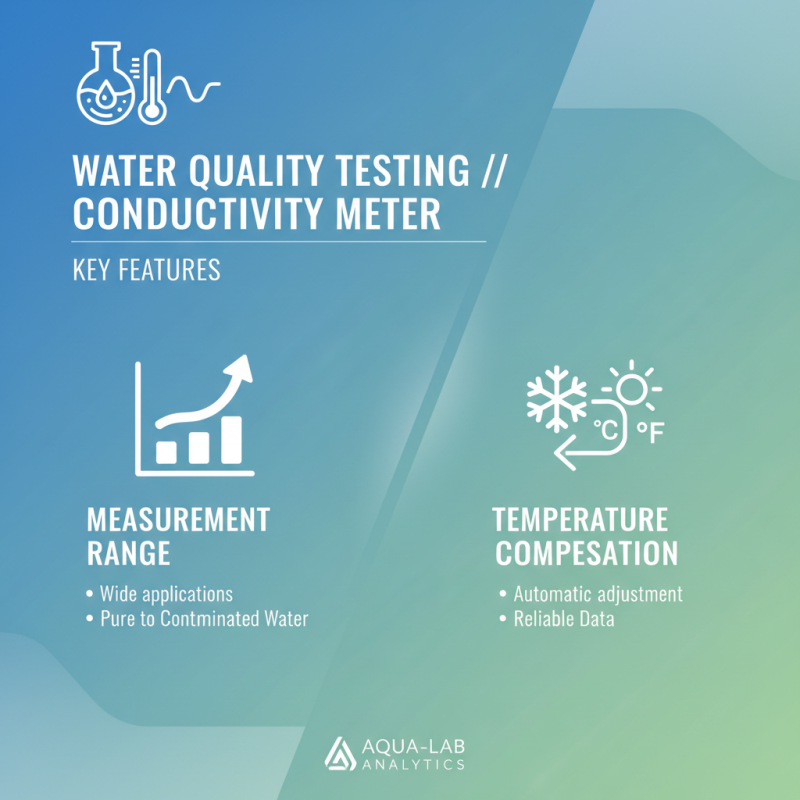
When selecting a conductivity meter for water quality testing, it's essential to consider several key features that can significantly impact accuracy and ease of use. First, the measurement range is critical; different applications may require meters capable of measuring a wide range of conductivity levels. This flexibility ensures the device can be used in various environments, from pure water testing to more contaminated samples. Additionally, look for meters with temperature compensation, as conductivity readings can vary with temperature changes. A model that automatically adjusts for temperature will provide more reliable data.
Another important feature is the ease of calibration. Opt for conductivity meters that offer straightforward calibration procedures, preferably with automatic calibration options. This ensures accuracy over time and reduces the potential for user error during setup. Ergonomics play a role as well; choose a meter that is comfortable to handle and easy to read. A clear display, possibly with backlighting for low-light environments, can make a substantial difference in the testing process. Lastly, consider the durability and waterproof rating of the device, particularly if it will be used in field conditions or wet environments.
Top 10 Conductivity Meters Reviewed for Water Quality Assessment
When it comes to assessing water quality, accurate conductivity measurement is essential. Conductivity meters measure the ability of water to conduct electricity, which directly correlates with the concentration of ions and impurities within the water sample. Understanding the properties of water, including salinity and nutrient content, relies heavily on precise readings from these devices. The right conductivity meter can help both professionals in environmental sciences and casual users in aquaculture or home laboratories to ensure that water conditions are optimal for various applications.
In this review of the top conductivity meters, features such as measuring range, accuracy, durability, and ease of use are highlighted. Many models offer advanced functionalities like automatic temperature compensation and data logging capabilities, which further enhance their usability in diverse settings. Selecting a meter with a suitable calibration range and operational simplicity can make a significant difference in obtaining reliable results. Ultimately, a good conductivity meter becomes an indispensable tool for anyone serious about understanding and maintaining water quality.
Top 10 Conductivity Meters for Accurate Water Quality Testing
This chart illustrates the conductivity measurements of the top 10 conductivity meters used for water quality testing. The values represent the conductivity in microSiemens per centimeter (µS/cm), providing insights into the performance and accuracy of each meter.
Comparison of Pricing and Performance for Leading Conductivity Meters
When selecting a conductivity meter for water quality testing, it is crucial to understand the balance between pricing and performance. Recent industry reports indicate that the accuracy of conductivity meters can significantly impact environmental assessments and regulatory compliance. High-quality meters often feature advanced sensor technology, which can provide readings with an accuracy of ±1% of the full scale. These meters typically range from $50 to $500, depending on their features and specifications. For professionals working in water quality management, investing in a more precise instrument can yield better data quality, facilitating improved decision-making processes.
It's essential to consider that the pricing of conductivity meters can also correlate with additional features such as temperature compensation and data logging capabilities. A study published by the Water Quality Association highlights that even entry-level models can provide satisfactory performance, provided they are used under suitable conditions. However, for laboratories or industries requiring stringent accuracy, spending a bit more on a higher-end model is generally advisable.
Tips: When choosing a conductivity meter, prioritize models that offer temperature compensation, as temperature fluctuations can alter conductivity readings. Additionally, check for user-friendly interfaces that enable easier data interpretation, especially in field testing scenarios. Always calibrate your device according to the manufacturer's specifications to maintain optimal accuracy throughout your testing processes.
Tips for Proper Use and Maintenance of Conductivity Meters
Proper use and maintenance of conductivity meters are crucial for ensuring accurate water quality testing. According to a report by the American Society of Agronomy, conductivity meters play a significant role in evaluating the salinity of water, which is an essential factor for both agricultural and environmental monitoring. To achieve reliable results, it's important to calibrate your conductivity meter regularly. Calibration should be performed using standard solutions at least every month, especially if the meter is frequently used, to account for drift over time.
Additionally, proper cleaning and storage of the conductivity probe are vital for longevity and performance. Residue buildup can affect measurements, leading to inaccurate readings. A study from the Water Environment Federation suggests rinsing the probe with distilled water after each use, followed by gentle wiping with a soft cloth. This practice prevents contamination and extends the life of the sensor. When not in use, storing the meter in a protective case or specific storage solution (if applicable) will safeguard the device from damage and maintain its precision for future testing. Ensuring these maintenance practices can enhance the reliability of water quality testing, providing more accurate assessments that are critical for both research and regulatory compliance.