
•  

What is a Conductivity Meter and How Does it Work?

Conductivity meters play a critical role in various industries, from environmental monitoring to pharmaceutical manufacturing. According to a report by Markets and Markets, the global conductivity meter market was valued at over $1 billion in 2022, with a projected CAGR of 4.8% through 2027. These meters measure the electrical conductivity in solutions, providing essential data that influences quality control.

Dr. Emily Carter, a leading expert in water quality analysis, once stated, "The accuracy of conductivity measurements can often determine the success of a project." This highlights the significance of using reliable conductivity meters in both laboratory and field settings. Industries rely heavily on these instruments to ensure that products meet stringent quality standards.

Yet, despite advancements, the calibration and maintenance of conductivity meters require careful attention. Issues can arise from improper use, which can lead to skewed data and flawed results. It is crucial to understand the limitations and the necessary protocols to ensure accurate measurements. Emphasizing the importance of training users in correct operational methods can greatly enhance the reliability of conductivity measurements.

What is a Conductivity Meter and How Does it Work?

What is a Conductivity Meter? Overview and Definition

What is a Conductivity Meter and How Does it Work?

A conductivity meter is a vital tool used to measure the electrical conductivity of a solution. It provides essential insights into how well a liquid can conduct electricity. This property often relates to the concentration of ions present in the solution. High levels of ions mean higher conductivity, while pure water has low conductivity.

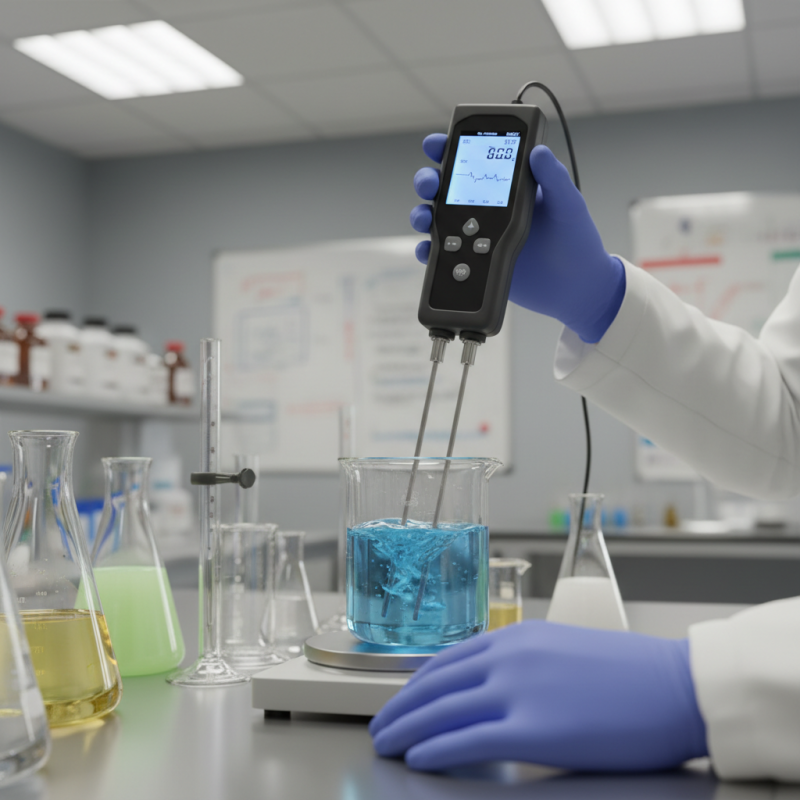
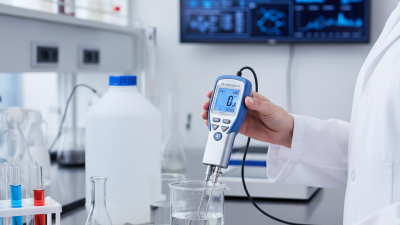
Using a conductivity meter is relatively straightforward. It typically has two electrodes immersed in the liquid. When an electric current passes between them, the meter measures the current flow. This flow indicates the solution's conductivity. Different applications, like water testing or nutrient analysis in plants, benefit from these measurements.

Not all conductivity meters are created equal. Some might struggle to provide consistent results across various environments. Calibration is essential but often overlooked. Users might forget to calibrate before measuring. This oversight can lead to inaccurate readings. Each measurement is an opportunity to learn, yet many miss this critical step.

Principles of Conductivity Measurement: How Conductivity Meters Work

Conductivity meters are essential tools in various industries. They measure the electrical conductivity of liquids, reflecting the concentration of ions in solution. This is crucial for monitoring water quality, chemical processes, and agricultural applications. The meters operate based on a simple principle: the relationship between the ionic content of a solution and its ability to conduct electrical current.

The basic working of conductivity meters involves electrodes. These electrodes are placed in the liquid and generate an electrical field. As ions pass through this field, they allow the current to flow. The meter calculates the conductivity based on the measured current. Accuracy is key here. Calibration with standard solutions is necessary to ensure reliable measurements.

Tips: Regularly calibrate your meter for consistency. Keep the electrodes clean for accurate readings. Remember, external factors like temperature can influence outcomes.

Data from industry reports highlights that the conductivity of water can indicate its purity. For example, pure water has a conductivity of about 0.05 µS/cm, while contaminated water can exceed 1,000 µS/cm. It's important to recognize that readings can sometimes be misleading. Always consider other factors that might affect the context of your measurements.

Applications of Conductivity Meters in Various Industries

Conductivity meters play a crucial role in various industries. They measure the ability of a solution to conduct electricity, which indicates the concentration of ions present. This measurement is vital in industries such as water treatment, food production, and pharmaceuticals.

In water treatment, conductivity meters assess the purity of water. They help monitor contaminants and ensure compliance with safety standards. Similarly, in food production, these meters ensure the right balance of ingredients. They can determine the salinity of brine or the concentration of sugar in solutions. In pharmaceuticals, precision is critical. Conductivity measurements guarantee that formulations are consistent and safe for consumption.

Despite their usefulness, challenges remain. Calibration of conductivity meters can be tricky. A poorly calibrated meter can lead to false readings, jeopardizing processes. Users must regularly maintain and check their devices to ensure accuracy. This ongoing need for vigilance can be burdensome but is essential for optimal operation in any industry.

Factors Affecting Conductivity Measurements: Temperature and Calibration

Conductivity measurements play a crucial role in various fields, from water quality testing to industrial applications. However, two main factors can significantly affect these measurements: temperature and calibration. Temperature directly influences the ionic mobility in solutions. As the temperature increases, ion movement becomes more active, leading to higher conductivity readings. Conversely, lower temperatures result in slower ion movement, which can yield misleading data.

Calibration is equally essential for accurate conductivity measurements. Devices must be regularly calibrated to ensure their reliability. Calibration accounts for slight variations in sensor performance over time. Failing to calibrate can produce inaccurate readings that misguide important decisions. In real-world applications, this oversight can lead to poor water quality assessments or faulty chemical reactions. It’s vital to understand these factors to improve measurement accuracy and reliability. Users need to remain vigilant about both temperature effects and calibration for dependable results.

Conductivity Measurements at Different Temperatures

Conductivity meters are sensitive to temperature changes. The following chart illustrates how conductivity levels vary with temperature. Understanding these variations is crucial for accurate measurements.

Key Specifications and Features to Consider in Conductivity Meters

When choosing a conductivity meter, several key specifications are essential. One important feature is the measurement range. It indicates the minimum and maximum conductivity levels the device can measure. A wider range allows for more versatile applications. Sensitivity is another critical factor. A sensitive meter can detect even slight variations in conductivity, which is crucial for precise testing in laboratories or industries.

Temperature compensation is also vital. Conductivity levels can fluctuate with temperature changes. Meters with automatic temperature compensation help ensure accurate readings. Different electrode materials influence performance too. Some electrodes are more suitable for specific solutions, like corrosive liquids. It’s important to consider the application you require.

Accuracy and reliability should not be overlooked. An unreliable meter can lead to erroneous conclusions. Make sure to check the calibration method. Some meters offer automatic calibration, which simplifies the process. Finally, user interface matters. A clear, easy-to-read display makes data interpretation straightforward. Complex interfaces may lead to user errors. Getting the right conductivity meter takes careful thought. Not all meters can meet every need. Test various models before settling on one.