How to Choose the Best Homogeneous Floor for Your Space?
Choosing the right flooring can transform your space dramatically. One popular choice is the homogeneous floor. This type of flooring offers a seamless, uniform appearance, making it aesthetically pleasing. Its durability and ease of maintenance are significant benefits.
However, selecting the perfect homogeneous floor requires careful consideration. Think about the size of your space and the amount of foot traffic. These factors can influence your choice of color and texture. Light shades can make a small room feel larger, while dark tones provide elegance. Take time to visualize how different options will fit into your design.
Do not overlook the importance of quality. Some homogeneous floors may not hold up under pressure. Research various brands and their reviews. Understand the long-term implications of your decision. Small imperfections in installation can lead to bigger issues later. Ultimately, finding the best fit for your needs is an ongoing journey.
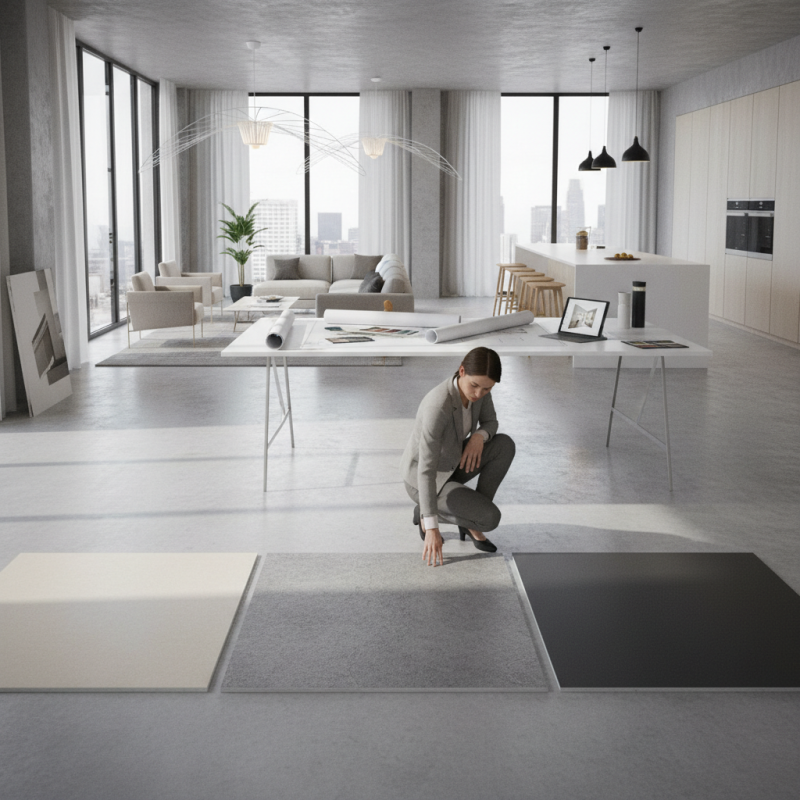
Understanding Homogeneous Flooring: Definition and Benefits
Homogeneous flooring is a popular choice for many spaces. It offers a seamless and uniform look. Made from a single material, it brings durability and ease of maintenance. The surface is less prone to scratching or fading. This makes it ideal for high-traffic areas.
Understanding its benefits is crucial. One advantage is its water-resistant properties, perfect for kitchens and bathrooms. Additionally, it comes in a variety of colors and patterns. This allows for creative freedom in design. However, it can be slippery when wet. That's an aspect to consider carefully.
Another point to reflect on is installation. A professional installation is often recommended. A poorly installed floor can lead to issues down the line. It might not look as good or last as long. It's essential to weigh these factors and think critically about your chosen flooring.
How to Choose the Best Homogeneous Floor for Your Space?
| Feature | Description | Benefits |
| Material | PVC or vinyl, known for durability. | Resistant to wear and tear. |
| Design Options | Wide variety of colors and patterns. | Customizable to match decor. |
| Maintenance | Easy to clean, often requires just sweeping and mopping. | Saves time and effort. |
| Installation | Available in tiles, sheets, or planks. | Versatile installation options. |
| Cost | Generally affordable compared to other flooring. | Cost-effective solution for large areas. |
Key Factors to Consider When Choosing Homogeneous Flooring
When choosing homogeneous flooring, various factors come into play. The durability of the material is crucial. Research shows that high-quality homogeneous tiles can endure heavy foot traffic, making them ideal for commercial spaces. In residential areas, they can provide longevity and reduce maintenance costs.
Another important aspect is the aesthetic appeal. Homogeneous flooring comes in a variety of colors and designs. A recent study highlighted that 70% of homeowners prioritize appearance in their flooring choices. Visual consistency across a space can create a cohesive look. Yet, it’s essential to balance design with functionality. Sometimes, the trendiest options may not suit your specific needs.
Additionally, consider the slip resistance of the flooring. Safety is paramount, especially in homes with children or elderly individuals. Data indicates that textured finishes can reduce slip incidents by up to 30%. However, they may require more cleaning and care. Assessing these trade-offs can be challenging, as the ideal choice often depends on personal circumstances and space usage.
Comparison of Common Homogeneous Flooring Types
Comparing Different Types of Homogeneous Floor Materials
When selecting homogeneous floor materials, it’s essential to consider various options. Different materials cater to unique needs and aesthetics. Vinyl, for example, is durable and water-resistant, making it suitable for high-moisture areas. According to industry reports, vinyl flooring accounts for around 30% of the global floor covering market. It's versatile in design and can imitate natural materials like wood or stone.
Porcelain tiles are another popular choice. They are known for their strength and low water absorption, making them ideal for both residential and commercial spaces. A study indicates that porcelain's durability can lead to a lifecycle cost reduction of about 20% compared to other tile options. However, its installation can be challenging and may require professional help, adding to overall expenses.
Natural stone flooring, such as granite or marble, offers an upscale finish. Each piece has unique characteristics and can significantly enhance a space's aesthetics. On the downside, stone can be expensive and may require regular sealing to maintain its beauty. Users often report dissatisfaction with the sealing process, causing some to rethink their choice after installation. Each flooring type has its pros and cons, and understanding these factors is vital for making an informed decision.
How to Measure Your Space for the Perfect Homogeneous Floor Fit
Measuring your space accurately is key when choosing a homogeneous floor. Begin by collecting essential tools: a measuring tape, a notepad, and a pencil. Walk through the area that will be floored. Pay attention to corners, doors, and any uneven spaces. Measure the length and width of the space. If the area is not a perfect rectangle, divide it into smaller sections. This can simplify the calculation.
Record all measurements carefully. Mistakes happen easily. You might note the width as 10 feet instead of 8. Double-check your figures. Create a sketch of your space. Visualizing will help in understanding the dimensions better. Additionally, consider the layout. Do you want the flooring direction to enhance the room's appearance? Planning this out can prevent future regrets.
Think about adding extra material for mistakes. A certain percentage overage is wise. Some cuts may be imperfect. Flooring professionals often suggest 10-15% more, especially for intricate areas. It's better to have a little extra than to run short. Ponder on these details before making a final decision.
Maintenance Tips for Long-lasting Homogeneous Flooring Solutions
Choosing a homogeneous floor involves considering durability and maintenance. Homogeneous flooring offers a seamless appearance and is resistant to wear and tear. However, proper care is crucial for longevity. According to the National Floor Covering Association, regular maintenance can extend the life of your flooring by up to 40%.
One effective tip is to sweep or vacuum regularly to prevent dirt buildup. Dirt can act like sandpaper, causing scratches. Use a damp mop with a pH-neutral cleaner for deeper cleaning. Avoid abrasive materials; they can create visible wear. Investing in gentle cleaning supplies can make a significant difference.
Another point to consider is managing moisture. Excessive water can damage flooring, leading to warping. Always wipe spills promptly with a soft cloth. Quick action can prevent stains and discoloration. Humidity levels should also be controlled. A dehumidifier in damp areas will help maintain the floor’s integrity. Remember, small changes in your maintenance routine can yield significant results.