How to Choose the Best At Home Water Test Kit for You?
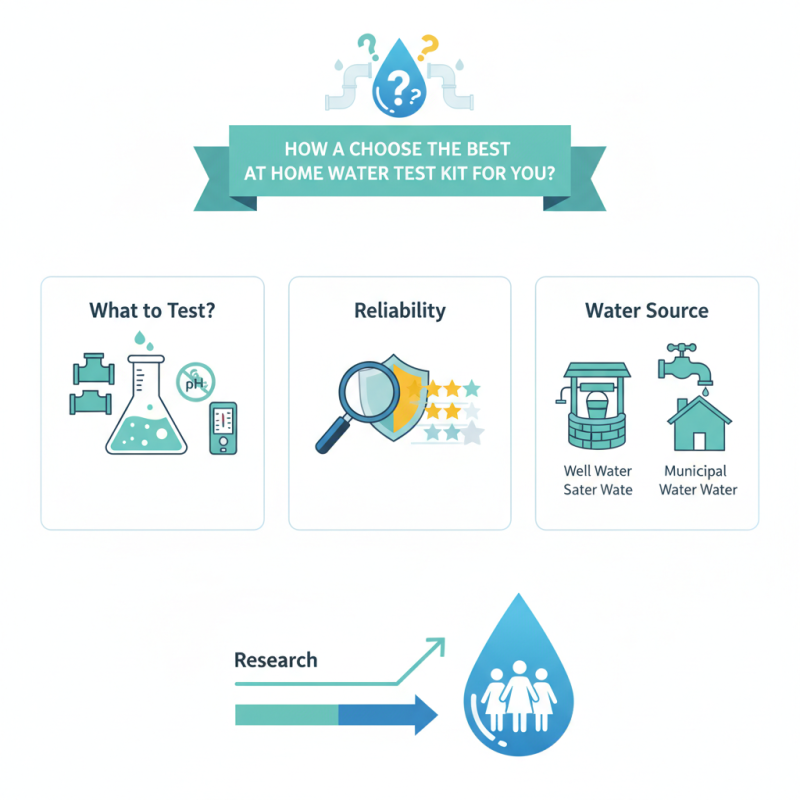
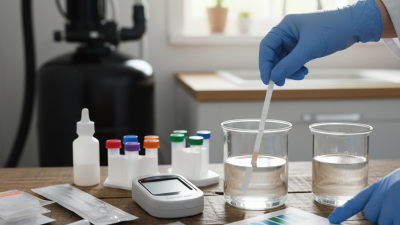
Choosing the right at home water test kit can feel overwhelming. With numerous options available, how do you select the best one? Water quality is crucial for health, making this decision important. An effective kit can help you identify issues like lead, contaminants, and pH levels in your water.
Consider what you need to test. Some kits focus on specific pollutants, while others provide a broader analysis. Look for reputable brands that offer reliable results. User reviews can provide insight into the kit's accuracy and ease of use. However, be cautious—some reviews may not be trustworthy.
Think about your water sources too. Well water and municipal supplies may need different testing approaches. An at home water test kit should address your particular situation. Investing time in research will pay off in ensuring your family drinks safe water.
Understanding the Importance of Water Quality Testing at Home
Water quality testing at home is essential for safeguarding your health. According to the U.S. Environmental Protection Agency (EPA), approximately 10% of Americans get their drinking water from private wells. Contaminated water can pose serious health risks, making it crucial to test regularly. Research shows that nearly 60% of household drinking water contains measurable contaminants. Illnesses linked to poor water quality include gastrointestinal infections and neurological disorders.
When selecting a test kit, consider what contaminants are likely in your area, such as lead, nitrates, or bacteria. Many local health departments provide data on regional water quality. Look for kits certified by an authoritative body to ensure reliability. Remember, not all kits test for the same substances, so check the specifications carefully.
Tips for effective testing include using clean containers to collect samples. Follow the instructions precisely for accurate results. Keep a log of your testing dates and results; tracking changes over time can help you identify emerging issues. If your results indicate contamination, take immediate action to rectify the situation. Regular testing is not just a precaution; it is a responsibility to yourself and your family.
How to Choose the Best At Home Water Test Kit for You? - Understanding the Importance of Water Quality Testing at Home
| Test Parameter |
Importance |
Recommended Frequency |
Typical Test Kit Range |
| pH Level |
Affects taste, corrosion, and health |
Every 6 months |
6.5 - 8.5 |
| Chlorine |
Disinfectant, affects taste and odor |
Monthly |
0 - 4 mg/L |
| Lead |
Toxic metal, serious health risks |
Annually |
0 - 15 µg/L |
| Nitrates |
Affects oxygen delivery, bad for infants |
Every 2 years |
0 - 10 mg/L |
| Hardness |
Affects soap efficiency and scaling |
Every 2 years |
0 - 400 mg/L |
Types of Contaminants Commonly Found in Household Water Supplies
Household water supplies can harbor various contaminants that pose health risks. Reports indicate that over 15 million Americans drink water from systems violating health standards. Common contaminants include heavy metals, bacteria, and harmful chemicals. Lead is one notable concern, with the EPA stating it can cause serious health issues, especially in children. Nitrates and pesticides may also contaminate groundwater, affecting agricultural areas.
When choosing an at-home water test kit, consider the specific contaminants prevalent in your area. Many regions experience varying levels of chemical pollutants. Test kits can detect levels of chlorine, coliform bacteria, and pH imbalance. Understanding your local water quality is crucial. Look for comprehensive kits that evaluate multiple contaminants to ensure safety. This knowledge empowers you to make informed decisions about your water supply.
Tip: Regular testing of water quality can help spot issues early. Many recommend testing at least once a year. If contaminants are found, take appropriate action. Investing in a quality filtration system may alleviate concerns. Always stay informed about local water quality reports. They are valuable resources that can guide your choices effectively.
Common Contaminants Found in Household Water Supplies
Key Features to Look for in a Home Water Test Kit
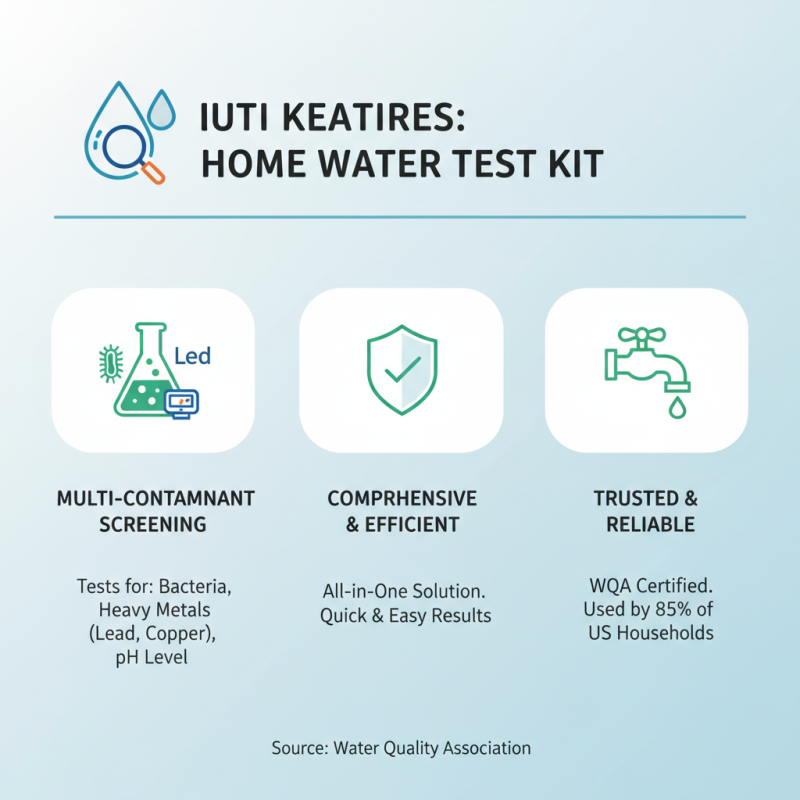
When selecting a home water test kit, understanding key features is crucial. Reliable kits often test for multiple contaminants. This includes bacteria, heavy metals, and pH levels. According to the Water Quality Association, about 85% of U.S. households rely on some form of water testing. A comprehensive kit covers these aspects efficiently.
The accuracy of the test results is vital. Look for kits with a proven track record. Reviews and certifications from reputable industry sources can be useful indicators. It's also essential to consider the ease of use. A user-friendly kit ensures that anyone can operate it with minimal effort. Some kits offer instant results, while others may require laboratory testing. Be prepared for both.
Lastly, consider the cost-effectiveness of the kit. While a lower price may seem attractive, it can lead to unreliable results. Investing in a high-quality kit may ultimately save you time and money. Remember, contaminated water can pose health risks. A reliable water test kit provides peace of mind and essential insights.
Comparing Testing Methods: DIY Kits vs. Professional Services
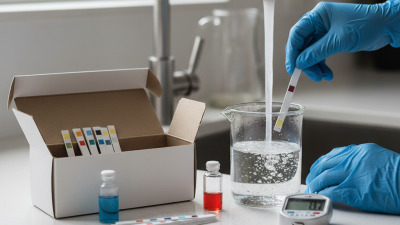
When choosing a water test kit, consider the method of testing. DIY kits offer convenience and affordability. You can collect water samples at your own pace. These kits often provide basic information, like pH levels and contaminants. However, they may lack depth in analysis. Sometimes, results can be ambiguous. This leaves room for misinterpretation.
On the other hand, professional services deliver comprehensive testing. Experts analyze samples in a controlled environment. They can identify a wider range of contaminants. However, this option typically comes with a higher price tag. You may need to wait longer for results. A thorough report can provide peace of mind. Understanding the trade-offs between these methods is crucial. Balancing cost and accuracy will guide your decision.
Interpreting Test Results and Taking Action on Water Quality Issues
Interpreting water test results can seem daunting, but it's vital for health. Reports indicate that over 13 million Americans rely on private wells, often with unregulated water quality. Shocking data from the CDC shows that nearly 7% of these wells contain unsafe levels of nitrate or bacteria.
When you receive your test results, focus first on contaminants. For example, elevated lead levels are a notable concern. The EPA states there is no safe level of lead for children. If your results show lead, consider remediation options promptly. This could involve installing filtration systems or consulting with local health officials.
Remember, test results are often a snapshot in time. Water quality can fluctuate due to various factors, including seasonal changes or nearby agriculture. Routine testing is recommended. Some experts suggest testing at least once a year. This proactive approach helps catch potential issues early while ensuring water safety and health for your household. Your health isn’t worth the gamble.