2026 How to Choose the Best pH Meter for Water Testing?
Choosing the right pH meter for water testing is crucial for accuracy. Dr. Jane Anderson, a water quality expert, once said, "Precision in pH measurement can transform water quality assessment." This highlights the importance of selecting an appropriate device.
A good pH meter for water should be reliable and easy to use. Look for features like automatic temperature compensation and a durable probe. Ensure the meter gives quick readings. Many users overlook calibration, yet it is essential. Regular checks maintain the meter’s accuracy and reliability.
Investing in a pH meter for water requires careful thought. Not all meters are created equal. Some models may not be suitable for specific water types. Research is essential. Sometimes, even experts make mistakes in selection. Users should reflect on their needs carefully before making a purchase.
Understanding pH Meters: Fundamentals of Water Testing Technology
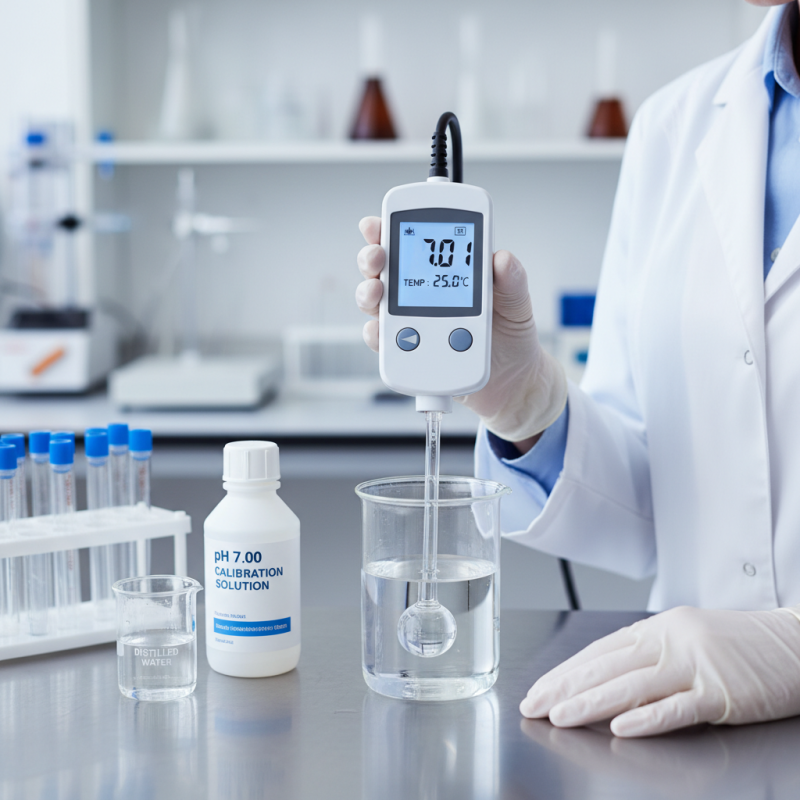
Understanding pH meters is crucial for effective water testing. These devices measure the acidity or alkalinity of water, providing insight into water quality. A pH meter typically consists of a probe and a digital readout. The probe contains glass electrodes that react to hydrogen ions in the water.
When considering a pH meter, accuracy is vital. Look for models that can measure within a range of 0 to 14 pH. Testing solutions should be calibrated frequently. This step ensures reliability. Many users forget to recalibrate regularly. This oversight can lead to inaccurate readings.
Tips: Always use fresh calibration solutions. Store your pH meter properly to extend its lifespan. Clean the probe before and after testing. Neglecting this can cause contamination. Pay attention to temperature effects on readings, as temperature can alter pH levels significantly. Remember, not all meters are equal. Research options based on your specific water testing needs.
Key Features to Consider When Choosing a pH Meter for Water Testing
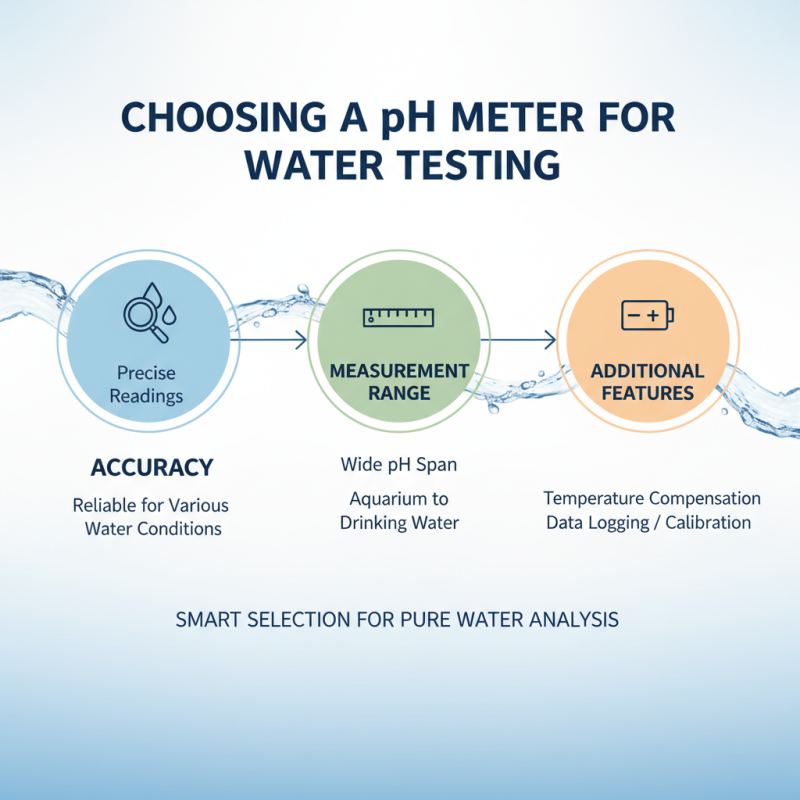
When selecting a pH meter for water testing, several key features deserve attention. Accuracy is essential. A good meter should provide precise readings in various water conditions. Check the measurement range. A wider range allows for testing different water types, from aquariums to drinking water.
Calibration is another crucial factor. Many meters require regular calibration for accurate results. Choose a model that offers automatic calibration options. This feature simplifies the process and ensures consistent performance. The display quality matters as well. A clear, backlit screen makes reading results easier, especially in dim lighting.
Tips: Always store the pH meter properly to maintain its accuracy. Clean the electrode regularly to avoid contamination. This simple step can prolong its lifespan and enhance reliability.
Consider portability too. Compact and lightweight meters are easier to carry for field testing. Yet, durability should not be overlooked. A sturdy design can withstand accidental drops and harsh conditions. These features help ensure a reliable and efficient testing experience.
Different Types of pH Meters: Selecting the Right One for Your Needs
When selecting a pH meter, consider the types available. The most common types are handheld meters, benchtop meters, and pocket testers.
Handheld meters are portable and ideal for fieldwork. They can provide quick readings, often with a range of pH levels, from 0 to 14. However, their accuracy can be affected by temperature variations. A recent survey shows that nearly 30% of users face calibration issues.
Benchtop pH meters offer better precision. These devices are typically used in laboratories. They often come with advanced features, such as data logging and auto-calibration. Their software can sometimes confuse new users. Studies suggest that about 15% of laboratory technicians struggle with advanced functionalities. It’s crucial to balance precision with practicality based on your needs.
Pocket testers are compact and handy for quick checks. However, they might lack the accuracy required for scientific research. Many users find that these devices are useful for casual testing, like checking pool water. Yet, they should not replace more precise instruments for significant tasks. The market shows that 25% of casual testers opt for more reliable meters after initial use. Think about your specific use case to find the right pH meter for you.
Calibration and Maintenance: Ensuring Accuracy in pH Measurements
When it comes to pH meters, calibration is key. A properly calibrated meter gives you accurate results. Calibration should be done frequently. For many, this can be a hassle. Yet, it is crucial for reliable measurements. Use calibration solutions that match the expected range. Following the manufacturer's guidelines is wise.
Maintenance is just as important. Regular cleaning of the electrode prolongs its lifespan. A dirty electrode can lead to false readings. Check for any cracks or damage. If you find any, consider replacing it. Storing the meter correctly is another concern. It should be in a safe place away from extreme temperatures.
Messy practices can hurt your results. Over time, pH meters can drift without proper care. This can lead to inaccurate testing. Test water samples frequently to ensure stability. The reliability of your readings hinges on both calibration and maintenance. Regular attention to these areas will truly enhance your water testing accuracy.
2026 How to Choose the Best pH Meter for Water Testing? - Calibration and Maintenance: Ensuring Accuracy in pH Measurements
| pH Meter Type |
Accuracy (%) |
Calibration Frequency (weeks) |
Operating Temperature (°C) |
Maintenance Tips |
| Analog pH Meter |
±0.1 |
2-4 |
0 - 50 |
Rinse electrode before use |
| Digital pH Meter |
±0.01 |
1-3 |
0 - 80 |
Calibration before and after use |
| Portable pH Meter |
±0.02 |
3-6 |
0 - 60 |
Store with protective cap |
| Laboratory pH Meter |
±0.001 |
1 |
10 - 40 |
Regular electrode cleaning |
Budgeting for Quality: Evaluating pH Meter Costs vs. Performance
When selecting a pH meter for water testing, budgeting plays a crucial role. The price of pH meters varies significantly. Some models are affordable but lack advanced features. Others are more expensive, promising high accuracy and durability. It's essential to evaluate performance against cost. A low-priced meter may save money upfront, but could lead to inaccurate readings.
Tips: Always check customer reviews. They highlight real-life experiences. These insights can reveal hidden problems.
Consider the purpose of the meter. If testing is infrequent, a budget model may suffice. For regular, precise measurements, invest more. The performance should justify the cost. Don't overlook calibration features—this is vital for accuracy.
Remember that quality often correlates with price, but not always. Some expensive models might not meet your specific needs. Balancing cost and quality requires careful thought. Reflect on how accuracy impacts your work. Choose wisely to avoid future regrets.