How to Choose the Best Tap Water Test Kit for Safe Drinking Water
Access to safe drinking water is a fundamental human right, yet millions of households remain uncertain about the quality of their tap water. According to the World Health Organization, contaminated drinking water leads to the deaths of over 500,000 people each year due to waterborne diseases. These alarming statistics underscore the importance of regular water quality assessments, making the selection of an appropriate tap water test kit critical.
Dr. Emily Hartman, a leading expert in environmental health, emphasizes the need for reliable testing solutions: "Understanding what’s in your tap water empowers consumers to make informed decisions about their health and wellbeing." With a variety of tap water test kits available on the market, consumers are faced with the challenge of choosing the right one that accurately identifies harmful contaminants such as lead, bacteria, and nitrates. This guide aims to illuminate the key factors to consider when selecting the best tap water test kit, ensuring that you can confidently assess the safety of your drinking water.
Understanding the Importance of Tap Water Testing for Health
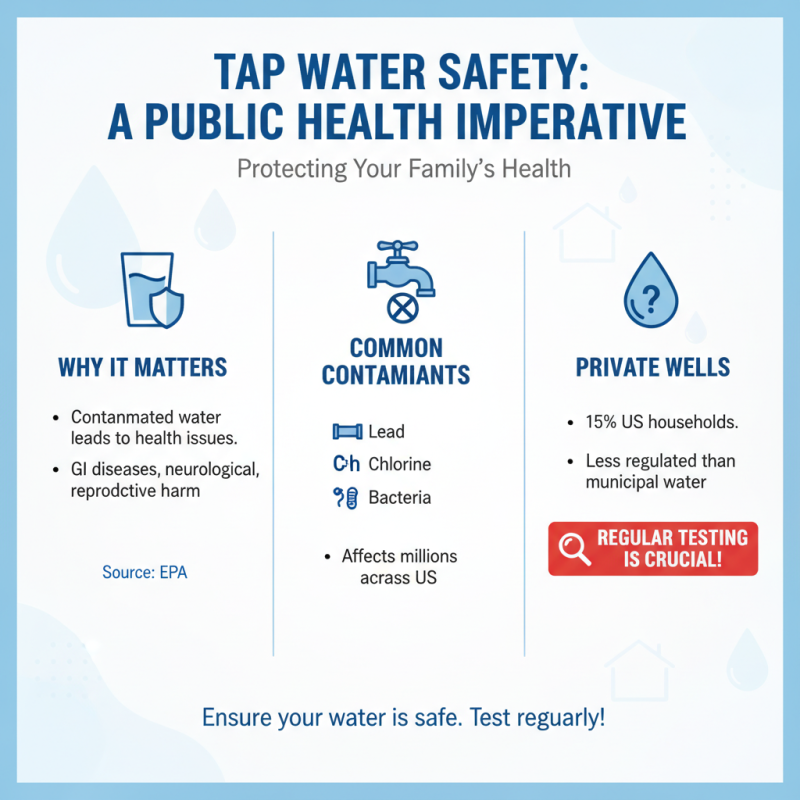
Access to safe drinking water is crucial for public health, as contaminated tap water can lead to a variety of health issues, including gastrointestinal diseases, neurological disorders, and reproductive problems. According to the Environmental Protection Agency (EPA), contaminants such as lead, chlorine, and bacteria are commonly found in tap water sources, potentially affecting millions of households across the United States. In fact, approximately 15% of U.S. households rely on private wells that may not meet the same regulatory standards as municipal water supplies, underscoring the need for regular testing to ensure water safety.
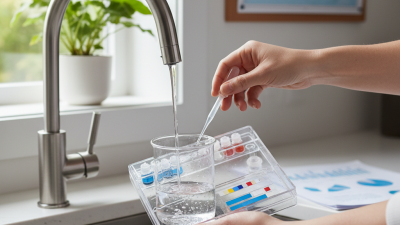
Testing tap water using reliable test kits is an essential step in safeguarding health. A comprehensive study by the American Water Works Association (AWWA) indicates that many contaminants can go undetected without proper testing. For example, waterborne pathogens can persist in water systems, and heavy metals like lead can leach from aging infrastructure. By utilizing a quality tap water test kit, individuals can detect these hazardous substances, empowering them to make informed decisions regarding their water consumption and take necessary actions, such as installing filtration systems or reporting issues to local authorities. Overall, understanding the importance of tap water testing is critical for fostering healthier communities and protecting public health.
Key Contaminants to Look for in Tap Water Test Kits
When selecting a tap water test kit, it is crucial to understand the key contaminants that could compromise the safety of your drinking water. According to the Environmental Protection Agency (EPA), some of the most common contaminants include lead, nitrates, chlorine, bacteria, and volatile organic compounds (VOCs). Lead can seep into tap water from old plumbing and is particularly harmful to children, as even low levels can affect their development. Nitrates, often from agricultural runoff, pose serious health risks, especially to infants. Therefore, a reliable test kit should include the ability to check for these critical elements.
It is essential to choose a kit that measures a broad range of contaminants. Research shows that approximately 10% of U.S. households have drinking water that exceeds the EPA's recommended levels for at least one contaminant. To ensure your test kit is effective, look for ones that are certified by recognized organizations, such as the NSF International. This certification guarantees the kit's accuracy and reliability in detecting harmful substances in your water supply.
Tips: Always follow the instructions provided with the test kit to obtain accurate results. It is also advisable to conduct regular testing, especially if you notice any change in the water's taste or odor. Keeping your local water quality reports handy can provide useful insights and will allow you to interpret your test results in the broader context of local water safety standards.
How to Choose the Best Tap Water Test Kit for Safe Drinking Water
| Contaminant |
Health Effects |
Maximum Contaminant Level (MCL) |
Test Kit Type |
| Lead |
Neurological impairment, developmental issues in children |
0.015 mg/L |
Chemical Test Kit |
| Nitrate |
Methemoglobinemia (blue baby syndrome) |
10 mg/L |
Chemical Test Kit |
| Bacteria (E. coli) |
Gastrointestinal illness |
0 CFU/100 mL |
Bacterial Test Kit |
| Chlorine |
Eye and skin irritation |
4.0 mg/L |
Chemical Test Kit |
| Arsenic |
Cancer, skin issues |
0.010 mg/L |
Chemical Test Kit |
Types of Tap Water Test Kits: Comparing Options Available on the Market
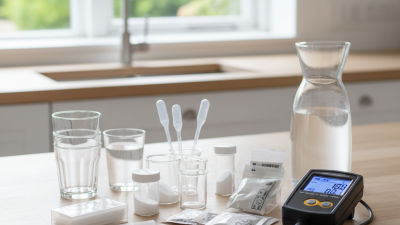
When selecting a tap water test kit, it's essential to understand the various types available on the market. This can help consumers make informed decisions that ensure the safety and quality of their drinking water. Generally, these kits can be categorized into three main types: comprehensive testing kits, single-parameter kits, and smartphone-enabled kits.
Comprehensive testing kits offer the most thorough analysis, allowing users to examine multiple contaminants, such as lead, chlorine, bacteria, and pesticides, all in one package. These kits are ideal for households concerned about various water quality issues, as they provide a holistic view of water safety. On the other hand, single-parameter kits focus on testing for one specific contaminant at a time, which can be more economical for those who may already suspect a specific problem in their water supply, such as elevated lead levels or chlorine presence.
Smartphone-enabled kits represent a more modern approach, utilizing technology to enhance the testing experience. By connecting to smartphone apps, these kits can provide real-time updates and easier data interpretation. This type of kit often appeals to tech-savvy users and those who prefer a more interactive approach to monitoring their water quality. By comparing these options, consumers can find the tap water test kit that best suits their needs, ensuring safe drinking water for themselves and their families.
Factors to Consider When Choosing a Tap Water Test Kit
When selecting a tap water test kit, several key factors must be prioritized to ensure reliable results. First, consider the range of contaminants that the kit can test for. Different kits vary in their ability to detect substances such as heavy metals, bacteria, chlorine, and pesticides. It is crucial to choose a kit that covers the specific contaminants of concern in your local water supply, ensuring a comprehensive analysis.
Another important factor is the accuracy and precision of the test results. Look for kits that utilize proven testing methods and come with detailed instructions for proper usage. Check for certifications or third-party evaluations that endorse the kit's reliability. Additionally, consider the ease of use and speed of results, as some kits provide instant results while others require a waiting period. Lastly, take into account the cost and whether the kit includes all necessary reagents or requires additional purchases for complete testing. By carefully evaluating these aspects, you can select a tap water test kit that will give you confidence in the safety of your drinking water.
Interpreting Test Results: Ensuring Safe Drinking Water Standards
When evaluating tap water test results, it’s crucial to understand the implications of various contaminants that may be present. The Environmental Protection Agency (EPA) sets forth specific standards for drinking water quality to ensure public health safety. For example, the maximum contaminant level (MCL) for lead is 0.015 mg/L, reflecting the necessity to keep this toxic metal at minimal levels due to its severe health effects, especially in children. Understanding these thresholds is essential for interpreting your test outcomes accurately.
Additionally, the presence of bacteria, such as E. coli, can indicate fecal contamination and the potential for serious illnesses. The EPA enforces a zero tolerance for E. coli in drinking water, urging immediate action if found. State health departments may offer further guidance in addressing positive tests for harmful substances, providing valid resources for remediation.
Studies have shown that over 50 million Americans rely on private wells, often lacking regular testing, emphasizing the significance of personal responsibility in interpreting test results and ensuring safe drinking water standards. Thus, accurately reading your tap water test results is not just about understanding numbers; it's about protecting your health and the health of your family.