How to Choose the Best Home Water Test Kit for Safe Drinking Water
Ensuring the safety of drinking water is paramount for every household. With rising concerns about contaminants and pollutants affecting water quality, many homeowners are turning to home water test kits as a practical solution. These kits provide a straightforward and accessible means to monitor water quality, helping residents identify potential issues that may jeopardize their health.
When selecting the best home water test kit, it's important to consider several factors that can influence the reliability and effectiveness of the testing process. The range of contaminants tested, the accuracy of results, and the ease of use are all critical elements to evaluate before making a purchase. Additionally, understanding the specific needs based on the local water supply can guide users toward selecting the most appropriate kit tailored to their environment. By choosing the right home water test kit, families can take proactive measures to ensure their drinking water is safe and free from harmful substances, ultimately leading to a healthier lifestyle.
Understanding the Importance of Home Water Testing for Health
Understanding the importance of home water testing for health cannot be overstated. Contaminated drinking water is a hidden risk that can lead to serious health issues, including gastrointestinal problems, neurological disorders, and long-term illnesses. Regularly testing your home's water supply ensures that you are consuming safe and clean water, free from harmful contaminants such as bacteria, heavy metals, and chemicals. Knowing the quality of your water can empower you to take necessary actions to improve it, safeguarding your family's health.
When selecting a home water test kit, consider your specific needs. Different kits are designed to detect different types of contaminants, so it's crucial to choose one that addresses potential issues in your area. For instance, if you live in an older home with lead pipes, a kit that tests for lead would be particularly beneficial. Additionally, pay attention to the kit's ease of use and the clarity of its instructions, ensuring you can interpret the results accurately without professional help.
Tips for effective home water testing include taking samples at different times and locations throughout your house to get a comprehensive overview. Make sure to follow the manufacturer’s instructions closely for the most accurate results. Finally, remember to retest your water periodically, especially after any significant change, such as plumbing repairs or seasonal changes, to maintain ongoing assurance of its safety.
How to Choose the Best Home Water Test Kit for Safe Drinking Water
| Test Parameter |
Recommended Levels |
Potential Health Risks |
Kit Type |
| pH Level |
6.5 - 8.5 |
Corrosive water, metal leaching |
Basic Test Kit |
| Lead |
0 ppb |
Neurological damage |
Chemical Test Kit |
| Nitrate |
10 mg/L |
Methemoglobinemia ("blue baby" syndrome) |
Chemical Test Kit |
| Total Coliform Bacteria |
0 CFU/100 mL |
Gastrointestinal illness |
Microbial Test Kit |
| Hardness |
< 200 mg/L |
Scale buildup, poor soap performance |
Basic Test Kit |
Key Contaminants to Test for in Drinking Water
When selecting a home water test kit, it is essential to understand the key contaminants commonly found in drinking water. The Environmental Protection Agency (EPA) sets maximum contaminant levels for various substances, emphasizing the importance of testing for lead, nitrates, bacteria, and heavy metals. According to the CDC, about 3.0 million people annually become ill from drinking contaminated water in the United States, underscoring the need for reliable testing solutions.
Lead is a significant concern, especially in older homes with lead plumbing. The EPA states that even low levels of lead can pose serious health risks, particularly to children, affecting their development and cognitive abilities. Nitrates, often associated with agricultural runoff, can lead to methemoglobinemia, or "blue baby syndrome," which can be fatal for infants.
Additionally, bacterial contamination, such as fecal coliforms and E. coli, can lead to gastrointestinal illnesses and other serious health issues. The World Health Organization (WHO) notes that waterborne diseases are a leading cause of morbidity globally, which emphasizes the necessity of consistent water quality testing. By focusing on these contaminants, consumers can choose the most effective testing kits that provide accurate and reliable results, ensuring safe drinking water for their families.
Types of Home Water Test Kits Available on the Market
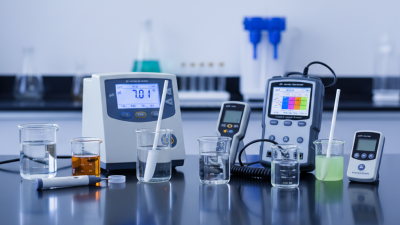
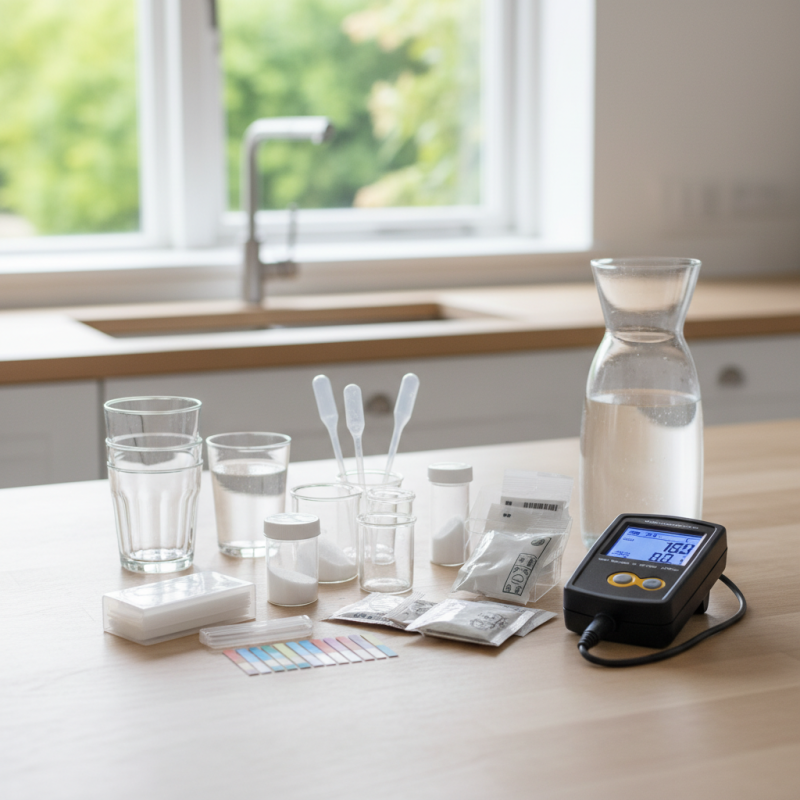
When it comes to ensuring the safety of your drinking water, selecting the right home water test kit is crucial. Various types of home water test kits are available on the market, each designed to analyze specific contaminants that may be present in your water supply. Generally, these kits can be categorized into three main types: test strips, liquid reagent kits, and digital test meters.
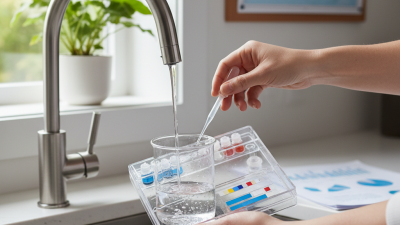
Test strips are user-friendly and provide quick results, making them ideal for household use. They typically allow users to detect parameters like pH, chlorine, hardness, and sometimes lead or nitrates, all within minutes. According to the Environmental Protection Agency (EPA), testing for these contaminants is essential, as millions of Americans may be exposed to harmful substances due to aging infrastructures and pollution. Liquid reagent kits, on the other hand, require users to mix samples with chemical solutions, which can yield more precise measurements for specific contaminants such as bacteria or heavy metals. These kits generally offer a broader range of tests but may require a bit more effort and expertise to interpret the results accurately.
Digital test meters are the most advanced type, providing instant readouts for conductivity, pH, and other parameters. While they tend to be pricier than other types, they are widely regarded for their accuracy and ease of use, making them suitable for serious homeowners who want to monitor their water quality regularly. A study from the Water Quality Association highlights that more homeowners are beginning to invest in these advanced testing methods due to growing concerns over water contamination and health implications.
Factors to Consider When Choosing a Water Test Kit
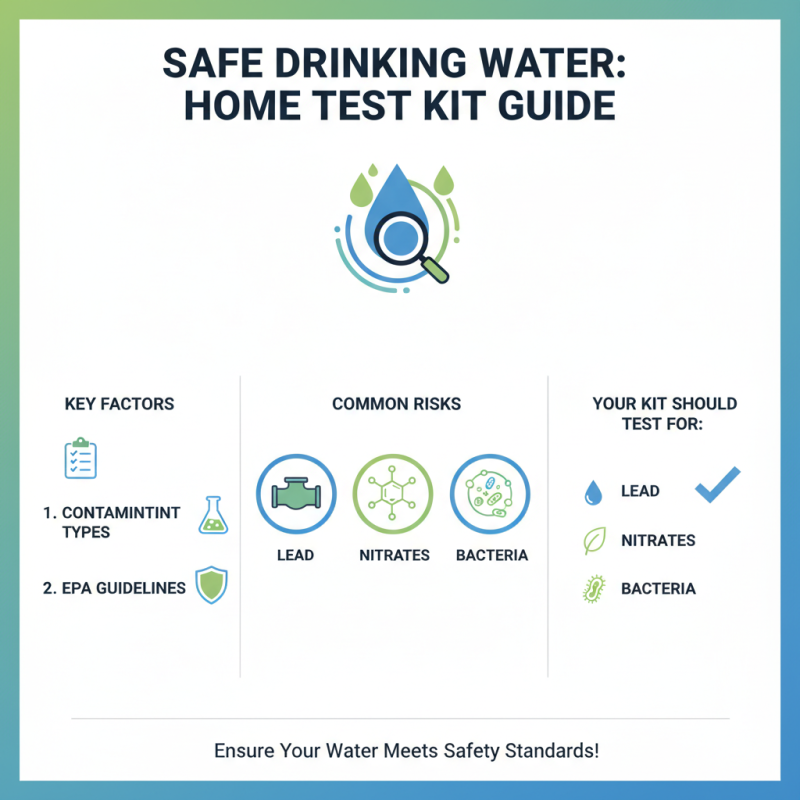
When selecting the best home water test kit for safe drinking water, several key factors come into play. Firstly, it's essential to consider the types of contaminants the kit can test for. According to the Environmental Protection Agency (EPA), common pollutants such as lead, nitrates, and bacteria can pose serious health risks. A comprehensive test kit should provide an analysis of these contaminants, ensuring that your drinking water meets safety standards.
Another significant factor is the ease of use. Many homeowners may not have extensive technical knowledge, so a user-friendly kit with clear instructions is crucial. Research from the National Sanitation Foundation indicates that improper testing can often lead to inaccurate results, making it critical to choose a kit that offers straightforward procedures and clear results interpretation.
Tips: When selecting a water test kit, look for features such as rapid testing and easy-to-read color charts. Additionally, ensure the kit is certified by a reputable organization, which can guarantee its reliability and effectiveness. Lastly, consider investing in a kit that allows for retesting in the future, as water quality can change over time due to various factors, including seasonal runoff and changes in infrastructure.
Reading and Interpreting Water Test Results Effectively
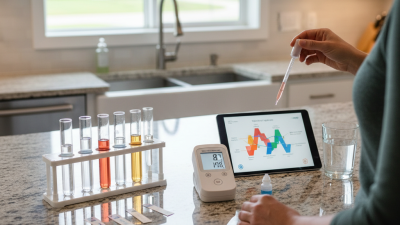
When selecting a home water test kit, understanding how to read and interpret test results is crucial for ensuring safe drinking water. Many water contaminants can pose risks to health, including bacteria, lead, nitrates, and pH levels. According to the Environmental Protection Agency (EPA), approximately 15% of households in the United States rely on private wells, making it essential for homeowners to regularly test their water. A well-designed kit typically provides a clear color-coded chart for easy interpretation, allowing users to quickly assess if their water meets safety standards.
To effectively interpret your test results, it’s important to familiarize yourself with the specific parameters being measured. For instance, the EPA's Maximum Contaminant Levels (MCLs) establish safe limits for over 90 contaminants in drinking water. If your results show levels exceeding these thresholds, it's imperative to take immediate action, which may include further testing or seeking professional remediation services.
Tips for better interpreting your water test results: First, always cross-reference your results with state or local health departments to understand acceptable levels in your area. Second, keep a record of your test results over time to identify any trends or changes, which can hint at potential issues with your water supply. Lastly, consider testing for contaminants specific to your region or those relevant to your local water source to ensure comprehensive safety.