Top 5 Best Well Water Test Kits You Should Consider?
Well water serves millions of households across the United States. However, a concerning statistic reveals that over 23 million people rely on untreated well water. The significance of testing this water cannot be overstated. Water quality impacts health and safety. An effective well water test kit helps identify contaminants.
Dr. Emily Hart, a leading expert in water quality, asserts, “Regular testing using a comprehensive well water test kit is essential for ensuring safe drinking water.” Her insights highlight the growing concerns surrounding pollutants like arsenic and nitrates. These substances pose serious health risks.
Choosing the right well water test kit can be overwhelming. With numerous options, quality and accuracy are crucial. Many kits lack thorough testing methods or clear instructions. A well-informed decision is vital for safeguarding family health. This guide presents the top five kits worth considering, ensuring you have the reliable information needed for a safe drinking experience.
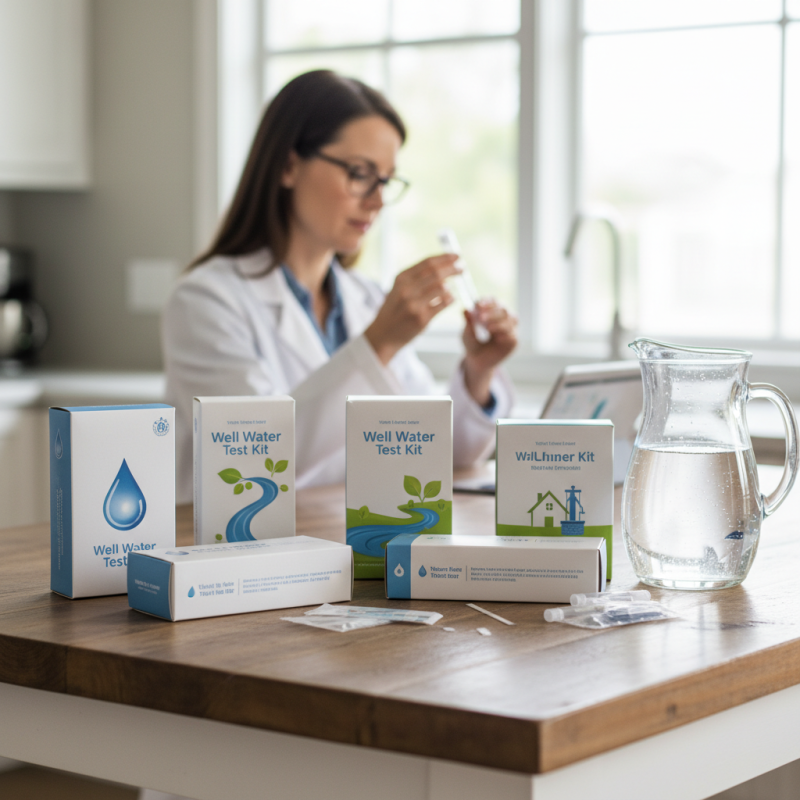
Understanding the Importance of Testing Well Water Quality
Testing well water quality is vital for health.
Contaminants can harm you and your family.
Regular testing ensures safety. Many pollutants, like bacteria and nitrates, can be invisible.
They may enter groundwater from agricultural runoff or septic systems.
A simple test can reveal what’s in your water.
Understanding the specific contaminants in your area is critical.
Testing can uncover heavy metals like lead or arsenic.
Even pH levels matter. Water that is too acidic or basic can cause plumbing issues.
Not every test kit covers all these concerns. Researching local water issues is important before choosing a kit.
Reflecting on your testing results can be sobering. Many people overlook water safety.
Issues may seem distant, but they affect daily life. Ignoring a problem may worsen over time.
It’s essential to act on any findings. A little knowledge leads to better decisions.
Your health should not be a gamble.
Key Contaminants Found in Well Water and Their Health Risks
Well water can harbor various contaminants that pose significant health risks. Research indicates that over 15 million households in the United States rely on private well water systems. Unfortunately, many are unaware of the unseen dangers in their water supply. Pathogens like bacteria and viruses can cause gastrointestinal illnesses. The U.S. Environmental Protection Agency (EPA) reports that these microorganisms are common in untreated well water, leading to serious health issues.
Chemical contaminants are of concern too. Nitrates, for instance, can originate from fertilizers or septic systems. High levels of nitrate in drinking water can result in methemoglobinemia, or "blue baby syndrome," which affects infants' ability to carry oxygen. The Center for Disease Control and Prevention (CDC) highlights that some wells may exceed recommended limits, creating a risk for vulnerable populations.
Heavy metals, such as lead and arsenic, also frequently contaminate well water. The World Health Organization warns that these substances can accumulate in the body, leading to long-term health effects. Lead exposure can result in developmental issues in children, while arsenic is linked to increased cancer risk. Testing your well water regularly is essential, yet many neglect this crucial step. Ignoring these risks can lead to dire consequences for you and your family.
Top Contaminants Found in Well Water and Their Health Risks
Criteria for Choosing the Best Well Water Test Kits
When choosing a well water test kit, it's crucial to consider specific criteria. Accurate detection of contaminants is critical. A reliable kit should test for common issues like bacteria, nitrates, and pH levels. Reports indicate that nearly 25% of private wells exceed safe nitrate levels. High levels pose health risks, particularly to infants.
Ease of use is another key factor. Many homeowners prefer test kits that require minimal steps. Complex procedures may lead to user errors, undermining accurate results. Some kits offer visual color comparisons, making results more intuitive. Data suggests that kits with clear instructions have a 30% higher user satisfaction rate.
Affordability, while important, shouldn’t compromise quality. A low-cost kit might not test for all necessary contaminants. Industry reports show that comprehensive kits, although pricier, often provide a complete picture of water quality. Despite the initial investment, the potential health benefits can be significant. It’s essential to weigh short-term expenses against long-term safety.
Top 5 Best Well Water Test Kits You Should Consider
| Test Kit Name |
Parameters Tested |
Test Duration |
Ease of Use |
Price Range |
| Kit A |
pH, Bacteria, Nitrates |
5 minutes |
Very Easy |
$20 - $30 |
| Kit B |
Lead, pH, Hardness |
10 minutes |
Moderate |
$35 - $50 |
| Kit C |
Bacteria, Nitrates, Nitrites |
15 minutes |
Easy |
$25 - $40 |
| Kit D |
Fluoride, Arsenic, pH |
20 minutes |
Moderate |
$45 - $70 |
| Kit E |
Metals, Hardness, pH |
30 minutes |
Challenging |
$60 - $90 |
Top 5 Well Water Test Kits: Features and Benefits
When selecting a well water test kit, several key features stand out. A good kit offers comprehensive testing for common contaminants. This includes bacteria, pH levels, nitrates, and heavy metals. Understanding these aspects is crucial. Poor water quality can lead to serious health issues.
Ease of use is another important factor. Many kits come with clear instructions and simple procedures. You should not need advanced knowledge to carry out a test. However, some kits can still be confusing. Completing a test can bring anxiety. Did you follow all the steps correctly?
Portability is also a plus. Some kits are designed for use at home and on the go. Having a compact kit means you can test when needed. But remember, some parameters may require lab analysis. This adds time and cost. Regular testing is essential for maintaining water quality. Prioritizing the right features will lead to better choices for your health.
How to Use Well Water Test Kits Effectively and Interpret Results
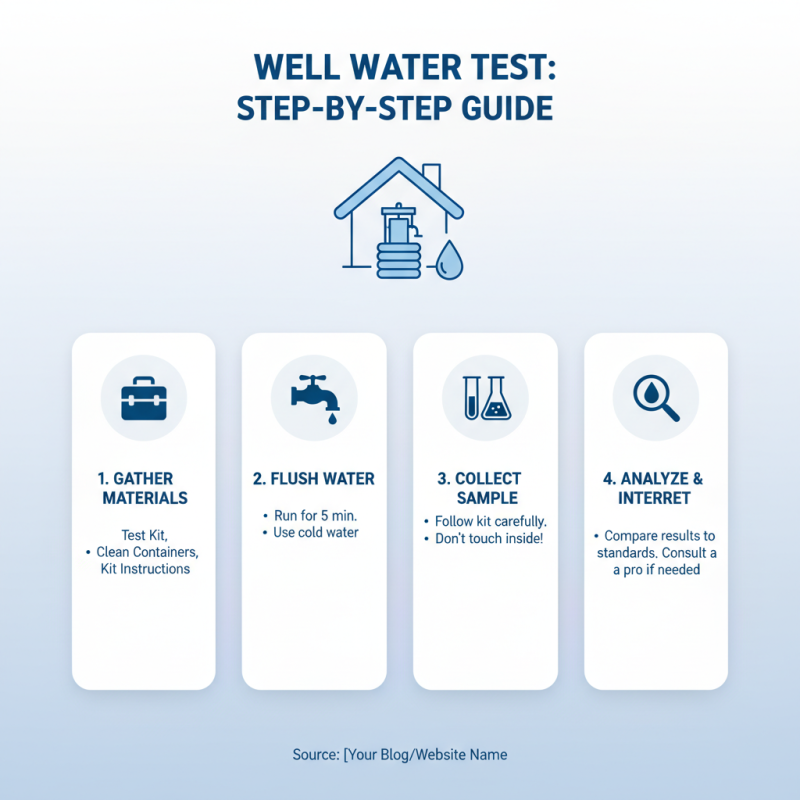
Using well water test kits effectively requires careful attention and a clear understanding of the process. Start by gathering all necessary materials. This includes the test kit, clean containers, and instructions specific to your kit. Sample collection is critical. Make sure to run your water for a few minutes before filling the test containers. This helps to flush out any stagnant water that might skew your results.
When interpreting results, focus on each parameter tested. Compare your readings against standardized safety levels. Color changes or digital readings can vary. Some kits may show discrepancies that require further investigation. It's common to misinterpret results, so take your time and double-check readings.
Tips: Always keep the test kit away from sunlight. This can alter some chemical constituents. If you notice anything unusual, don't hesitate to repeat the test. Additionally, jot down any observations while testing. These notes can be useful for understanding trends over time. Regular tests, perhaps quarterly, can help you identify potential issues in your well water.