10 Best Water Quality Testing Kits for Safe Drinking Water Today?
Access to safe drinking water is crucial for health. However, contaminants are often undetectable. This is where water quality testing comes into play. A reliable water quality testing kit allows you to monitor your water frequently. It identifies harmful substances that could affect your well-being.
Many people overlook the importance of testing their water. They assume it is safe simply because it comes from a tap. Unfortunately, that’s not always the case. Factors like aging pipes and industrial pollutants can compromise water quality. By using a testing kit, you gain peace of mind. You can ensure your water is free from harmful elements.
Choosing the right testing kit can be overwhelming. Many options are available, each with unique features. Not all kits are designed to test for the same contaminants. Some may only detect bacteria, while others measure chemicals. Understanding your specific needs is important. Through effective water quality testing, you take a proactive step towards safeguarding your health and that of your family.
Understanding Water Quality Testing Kits: An Overview
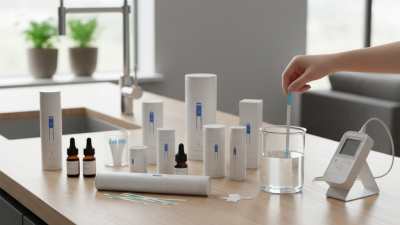
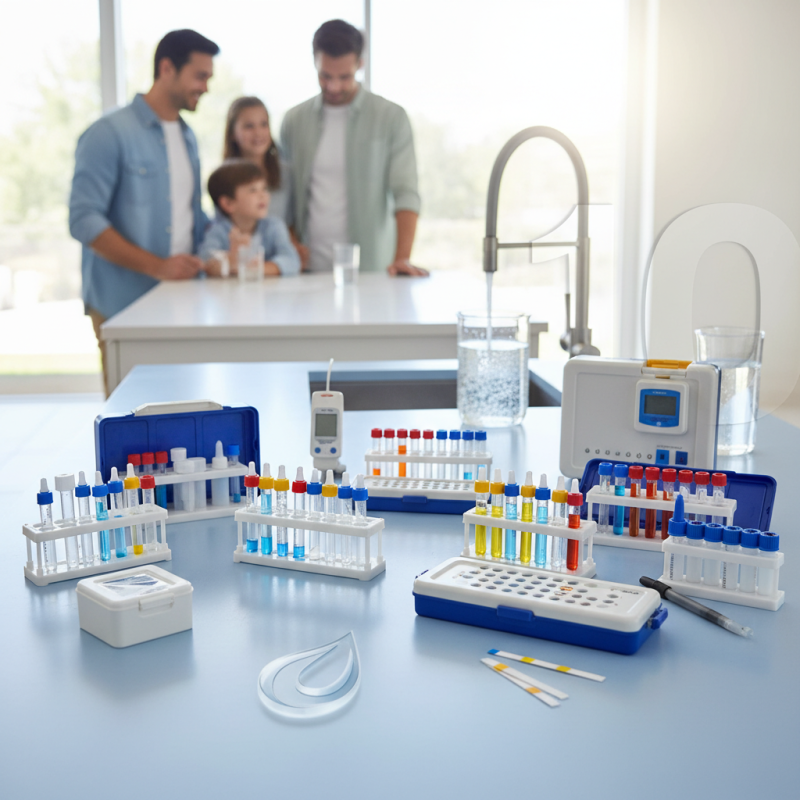
Water quality testing kits are essential for ensuring safe drinking water. These kits allow you to check for harmful substances. They can detect bacteria, heavy metals, and chemicals. Using a testing kit can give you peace of mind about your water.
When choosing a testing kit, consider what you need to measure. Some kits check for specific contaminants, while others provide a broader analysis. Read the instructions carefully. It's important to follow them for accurate results. If you're unsure, don't hesitate to reach out for help.
**Tip:** Test your water regularly. Changes can happen over time, and it's wise to stay informed.
Incorporating regular testing into your routine can help you catch issues early. However, results can be surprising. You may find contaminants you didn’t expect. This revelation can be alarming, pushing you to take immediate action. Don't ignore the findings; look for ways to improve your water quality.
**Tip:** Research treatment options if your water tests positive for harmful substances.
In some areas, tap water may not be safe to drink. Investigate local water quality reports for better understanding. Understanding your water's quality is vital for your health. It can feel overwhelming, but empowerment comes with knowledge.
10 Best Water Quality Testing Kits for Safe Drinking Water Today
| Testing Kit |
Parameters Tested |
Ease of Use |
Test Duration |
Price Range |
| Basic Kit |
pH, Chlorine, Nitrates |
Very Easy |
10 Minutes |
$15 - $20 |
| Advanced Kit |
pH, Hardness, Lead, Nitrite |
Moderate |
15 Minutes |
$25 - $35 |
| Comprehensive Kit |
pH, Hardness, Lead, Arsenic, Bacteria |
Easy |
20 Minutes |
$50 - $70 |
| Pocket Kit |
pH, Chlorine |
Very Easy |
5 Minutes |
$10 - $15 |
| Smartwater Analyzer |
Full Spectrum Analysis |
Moderate |
30 Minutes |
$100 - $150 |
Key Features to Look for in Water Quality Testing Kits
When selecting water quality testing kits, certain features are vital. First, accuracy is paramount. Reliable kits should have a proven track record. Studies show that some kits can miss contaminants like lead or nitrates, leading to false security. It's crucial to choose products that are validated by reputable organizations.
In addition, ease of use matters. A complicated kit might deter users from testing regularly. Data indicates that user-friendly kits encourage consistent testing, essential for monitoring water safety. Portability is another feature to consider. Kits that are compact can be used in various settings, whether at home or traveling.
Lastly, look for comprehensive testing capabilities. Many kits can only test for basic parameters, but advanced kits identify a wider range of contaminants. Research reveals that 66% of households don't test their water regularly. Thus, having an all-in-one kit might inspire more frequent testing and foster better awareness of water safety.
Water Quality Testing Kits - Key Features Comparison
Top 10 Recommended Water Quality Testing Kits for Safe Drinking Water
Choosing the right water quality testing kit is essential for ensuring safe drinking water. These kits can detect harmful substances like lead, bacteria, and chlorine. Users often find kits that are easy to use and provide quick results. Investing in a reliable kit helps prevent health issues related to contaminated water.
**Tips:** Regularly test your water, especially after heavy rains or plumbing work. Look for kits that offer a comprehensive analysis. Some may only test for basic contaminants, which isn’t enough. It’s wise to keep a log of your water test results. This can help identify trends over time.
Many users appreciate kits with clear instructions. Visual representations of results make it easier to understand. Some kits may produce unexpected results, leaving users confused. It’s crucial to retest if results are alarming. Water quality can change, so don’t ignore inconsistencies.
Comparative Analysis of Popular Water Quality Testing Kits
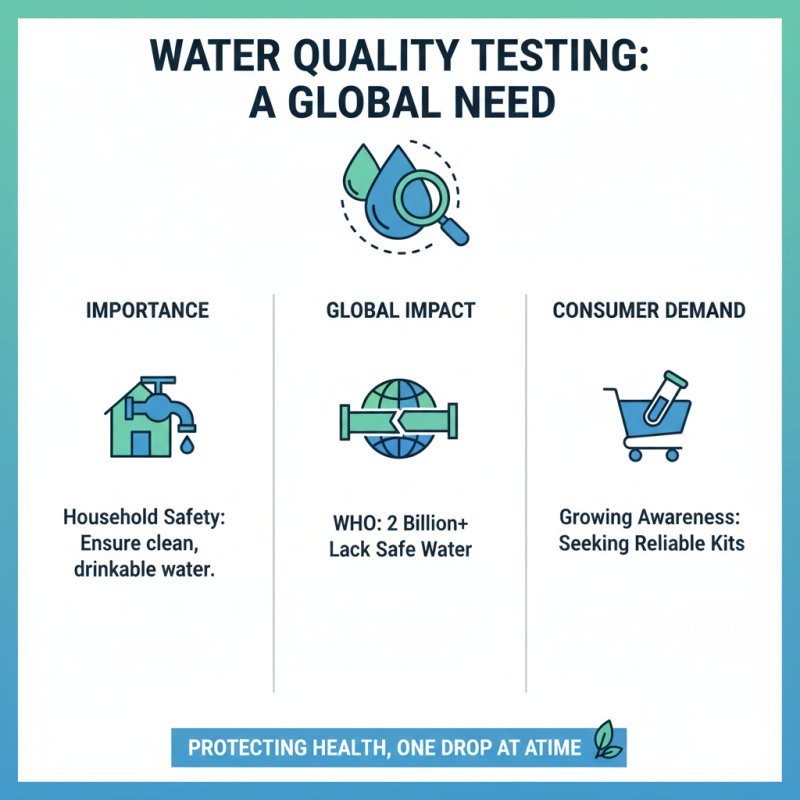
Water quality testing kits have gained importance in recent years. Many households rely on these tools to ensure safe drinking water. A study by the World Health Organization revealed that over 2 billion people lack access to safe drinking water. As awareness grows, consumers seek reliable testing kits to assess their water quality.
When comparing popular water quality testing kits, it's essential to analyze their features. Some kits test for bacteria, while others measure contaminants like lead, nitrates, or pH levels. A 2022 market analysis found that versatile kits, capable of testing multiple parameters, are in high demand. Users often prefer ease of use and accurate results, considering the potential health risks associated with poor water quality.
Not all kits perform equally. Some may lack sensitivity or miss certain contaminants. It's vital to choose a kit backed by scientific research. Reports indicate that up to 15% of households test their water inadequately, missing possible hazards. Users should be cautious and consider periodic laboratory testing for comprehensive analysis. The goal is clear: everyone deserves access to safe drinking water.
How to Use Water Quality Testing Kits Effectively for Safety
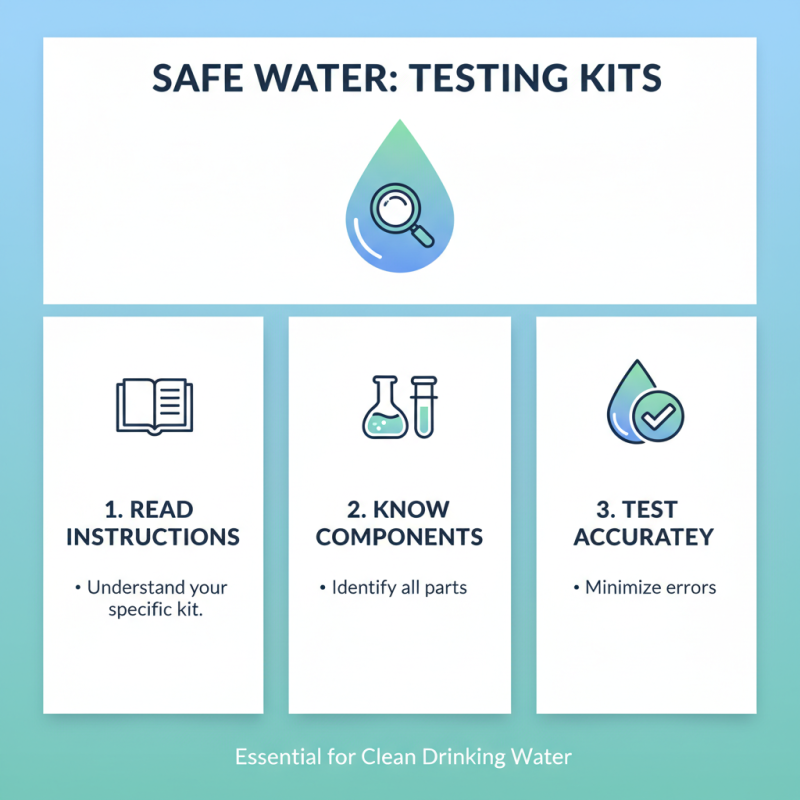
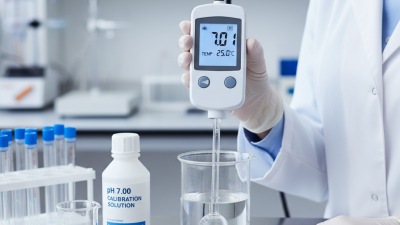
Water quality testing kits are essential for ensuring safe drinking water. To use these kits effectively, start by understanding the instructions. Every kit is slightly different. Familiarize yourself with the components. This will help minimize errors during testing.
Tips: Always collect samples from the same spot to maintain consistency. Avoid areas with heavy sediment. Use clean, dry containers for collection. A small mistake can lead to misleading results. Be patient during the testing process. Some tests need time to react fully.
After testing, compare results with guidelines for safe drinking levels. If values are too high, consider retesting. Another attempt can reaffirm your findings. Remember, clarity in water doesn't guarantee safety. Testing regularly is a good habit. It helps catch issues early. Awareness around water quality is crucial for health.