Best Chlorine Dioxide Formula for Effective Disinfection?
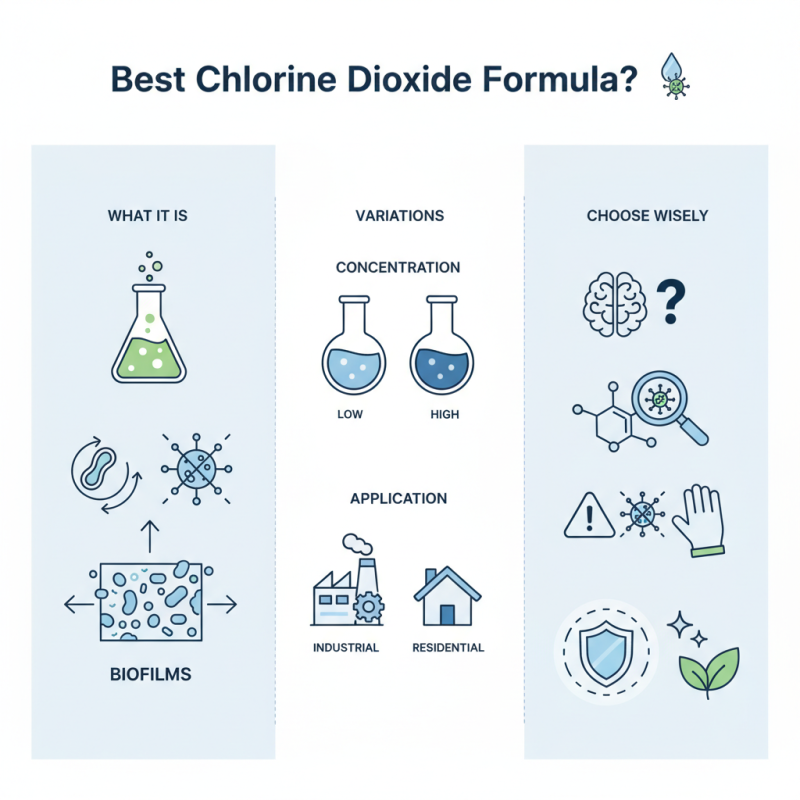
In today’s world, efficient disinfection is crucial. One notable method is the use of chlorine dioxide formula. This compound stands out for its effectiveness against a broad spectrum of pathogens, including bacteria and viruses. Its strength lies in its ability to penetrate biofilms, ensuring deep cleaning.
However, not all chlorine dioxide products are created equal. Different formulas vary in concentration and application methods. Understanding these differences is essential for achieving optimal disinfection results. For instance, some formulas are specifically designed for industrial use, while others suit residential needs.
Choosing the right formula can be challenging. It requires knowledge and experience to identify the most effective options. Moreover, improper usage may lead to inadequate disinfection or safety risks. Overall, being informed about the best chlorine dioxide formula can lead to safer and cleaner environments.
Key Characteristics of Effective Chlorine Dioxide Formulas
When choosing a chlorine dioxide formula for disinfection, certain key characteristics stand out. Effective formulas often contain pure chlorine dioxide as the active ingredient. A high concentration ensures a powerful antimicrobial action, which is essential for eliminating a wide range of pathogens. Solutions that remain stable over time are preferable, as this stability guarantees consistent effectiveness when used.
Additionally, a good chlorine dioxide formula should be easy to use. Formulas that are easy to dilute and apply can enhance user experience. Packaging that is clear and instructive contributes to safety and efficiency. Users should be aware that variations in the formulation can affect performance. Thus, understanding the intended use is crucial.
While many formulas claim effectiveness, not all succeed. Some may require more time to act, or their efficacy may decrease if improperly stored. It's vital for users to research and read reviews regarding specific products. This helps to identify the most reliable options. Each experience can teach valuable lessons for future choices. A cautious approach, coupled with an understanding of the product’s characteristics, will lead to better disinfection outcomes.
Comparison of Chlorine Dioxide Concentrations for Disinfection Standards
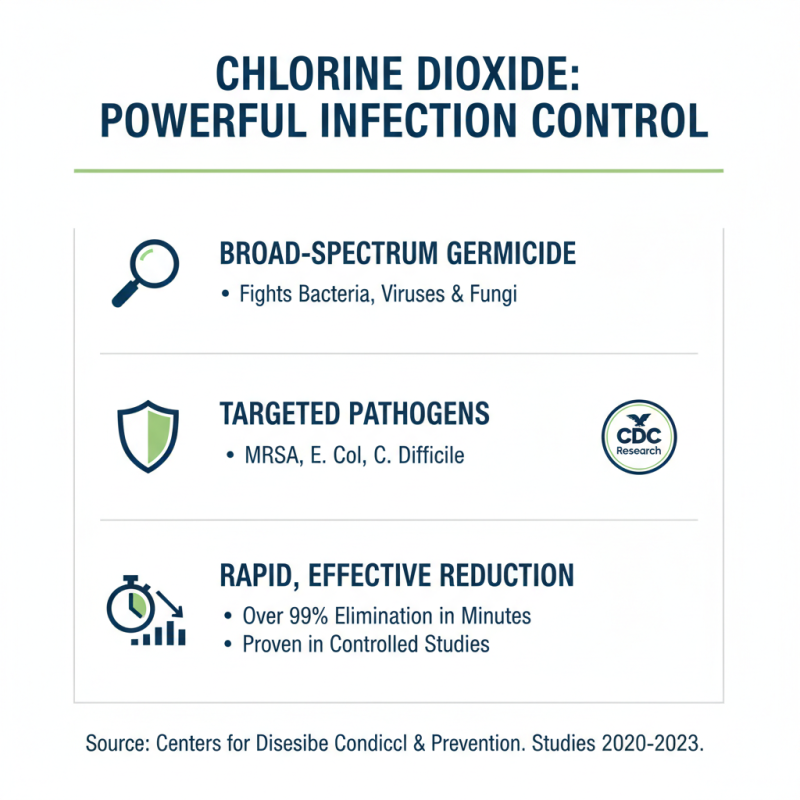
Chlorine dioxide is gaining attention as a powerful disinfectant. It is effective against bacteria, viruses, and fungi. Studies indicate that a concentration of 100 to 300 ppm (parts per million) is generally effective for disinfection in various environments. This ranges from healthcare settings to food processing.
A report from the Environmental Protection Agency highlights chlorine dioxide's efficacy at these concentrations. For instance, a concentration of 200 ppm can eliminate 99.99% of pathogens within minutes. However, not all products deliver these concentrations effectively. The preparation method and storage conditions can influence the actual concentration delivered during use.
Many users may find it challenging to determine the right formula. Some may overestimate the effectiveness of lower concentrations. Research suggests that even variations of 50 ppm may not adequately eliminate all pathogens in high-risk areas. This raises questions about the consistency of products available on the market. Users should remain informed and critical when choosing the right chlorine dioxide solutions.
Mechanisms of Action: How Chlorine Dioxide Disinfects Surfaces
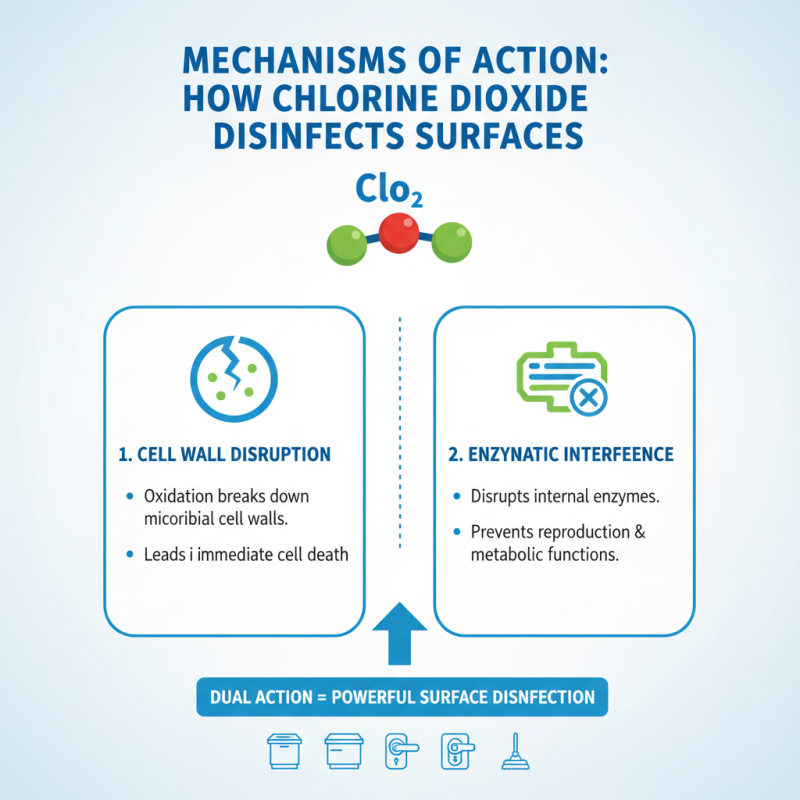
Chlorine dioxide is a powerful disinfectant widely used for its effectiveness in eliminating pathogens. Its action mechanism is primarily through oxidation. This compound disrupts microbial cell walls, leading to cell death. It also interferes with enzymatic processes, making it difficult for microbes to reproduce. This dual action enhances its capability, making it suitable for various surfaces.
When applying chlorine dioxide, ensure the area is well-ventilated. Concentration matters. Higher concentrations can achieve faster disinfection, but safety is key. Always follow the instructions and use protective gear. Testing a small area first is wise. It helps ensure that surfaces remain undamaged.
Effectiveness varies based on conditions like temperature and surface type. Always monitor the contact time; too short may reduce effectiveness. Remember, some surfaces react differently. Research your materials to avoid unwanted reactions. Continual assessment of disinfection practices is essential. Regular checks prevent pathogens from thriving in overlooked areas.
Safety Guidelines and Handling Procedures for Chlorine Dioxide Products
Chlorine dioxide is an effective disinfectant, used in various settings. However, it requires careful handling due to its potent nature. Personal protective equipment (PPE) is crucial when working with chlorine dioxide products. Always wear gloves, goggles, and masks to minimize exposure risks. Ensure good ventilation in the area to avoid inhaling fumes.
Proper storage of chlorine dioxide is essential. Keep it in a cool, dry place, away from direct sunlight. Containers should be clearly labeled and secured. Spills can be hazardous, so have a cleanup kit ready. Notify others in the area if you are using this chemical.
Tips: Always read safety data sheets before use. This practice helps in understanding the risks involved. When diluting chlorine dioxide, add it to water, not the other way around. This prevents dangerous reactions. Regular training on safety protocols is crucial for everyone involved in handling these products.
Chlorine Dioxide Effectiveness for Disinfection