Top 5 Best At Home Water Test Kits for Safe Drinking Water
Ensuring safe drinking water is crucial for maintaining good health, and many homeowners are increasingly aware of the quality of water they consume. With potential contaminants ranging from heavy metals to harmful bacteria, understanding the importance of testing water quality has never been more pressing. This is where an **at home water test kit** comes into play. These convenient and user-friendly kits empower individuals to monitor their water quality without relying solely on municipal testing or lab services.
In recent years, the market has seen a surge in the availability of various **at home water test kits**, making it easier for consumers to equip themselves with the tools necessary to perform their own assessments. By utilizing these kits, homeowners can quickly detect pollutants and ensure their drinking water meets safety standards. In this guide, we will delve into the top five best options available, highlighting their features and the specific contaminants they can test for, thus enabling you to make informed choices for the health of you and your family.
Understanding the Importance of Home Water Testing Kits
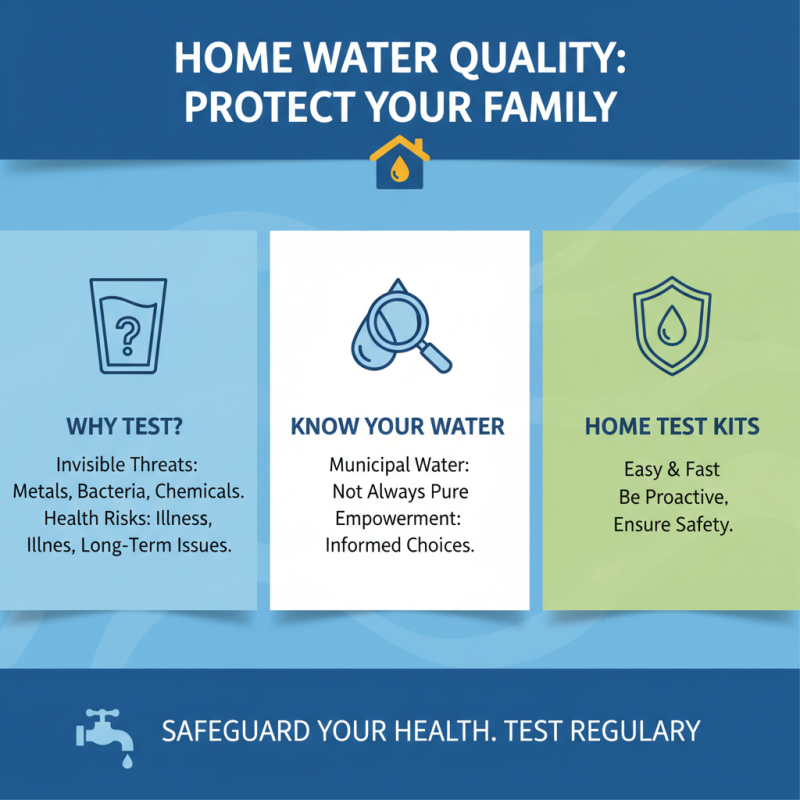
Understanding the importance of home water testing kits is crucial for ensuring the safety of drinking water. Contaminated water can pose serious health risks, including gastrointestinal illnesses and long-term health complications. Many households depend on municipal water supplies, but these sources are not immune to pollution. Testing water at home allows individuals to detect harmful contaminants such as heavy metals, bacteria, and chemicals that could potentially affect their health and wellbeing. Regular testing is not only a proactive approach to safeguard one’s family but also empowers homeowners with knowledge regarding the quality of their water.
Moreover, using a home water testing kit can aid in identifying specific issues related to individual water sources, whether they are private wells or urban supplies. Many households may overlook the significance of monitoring water quality, but factors such as aging infrastructure, industrial runoff, and natural contaminants can alter water safety over time. By taking the initiative to test their water, homeowners can make informed decisions about necessary treatments, filtration systems, or alternative water sources. This proactive stance enhances the overall quality of life and peace of mind, facilitating healthier living environments for families and communities alike.
Key Contaminants to Test for in Drinking Water
When it comes to ensuring safe drinking water at home, understanding key contaminants is essential. Common harmful substances found in tap water can include lead, nitrates, chlorine, and volatile organic compounds (VOCs). According to the Environmental Protection Agency (EPA), approximately 15% of the U.S. population relies on private wells, which often lack federal regulation and may be susceptible to contamination. Testing for these key pollutants helps maintain a healthy water supply, particularly as many contaminants can pose serious health risks, including neurological damage and long-term illnesses.
Lead, in particular, has been highlighted in reports as a significant concern. The CDC indicates that even low levels of lead exposure can harm children's development, impacting their ability to learn and grow. Nitrates, often coming from agricultural runoff, can also create health issues, particularly for infants, leading to a condition known as methemoglobinemia or "blue baby syndrome." Regular testing for these and other contaminants using at-home water test kits allows homeowners to take proactive measures to manage their water quality effectively, ensuring a safer environment for their families.
Top 5 Best At Home Water Test Kits for Safe Drinking Water
| Test Kit Name |
Key Contaminants Tested |
Number of Tests |
Results Time |
User Rating |
| Test Kit A |
Lead, Nitrate, Bacteria |
5 |
10 minutes |
4.5/5 |
| Test Kit B |
Chlorine, pH, Hardness |
6 |
15 minutes |
4.2/5 |
| Test Kit C |
Fluoride, Iron, Pesticides |
7 |
30 minutes |
4.7/5 |
| Test Kit D |
Sulphate, Nitrate, Total Dissolved Solids |
4 |
20 minutes |
4.3/5 |
| Test Kit E |
Copper, pH, Bacteria, Lead |
5 |
25 minutes |
4.6/5 |
Criteria for Choosing the Best Water Test Kits
When selecting the best at-home water test kits for ensuring safe drinking water, several criteria should be considered to ensure that you are making an informed purchase. First and foremost, the type of contaminants the kit can detect is critical. Look for kits that test for a broad range of common pollutants, including bacteria, heavy metals, and chemicals like chlorine and nitrates. This comprehensive testing can provide a clearer picture of water quality and safety.
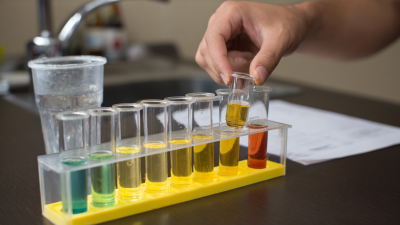
Another important factor is the ease of use. The best kits should come with straightforward instructions and require minimal equipment to get accurate results. Kits that utilize simple color-matching methods or straightforward digital readings tend to be user-friendly for individuals without scientific backgrounds. Finally, consider the reliability and speed of results. Some kits may offer results within minutes, while others might take several days. A good balance between quick results and reliable accuracy is essential for effective monitoring of your home's water quality.
Top 5 Best At Home Water Test Kits for Safe Drinking Water
This chart represents the average detection levels of various contaminants that can be assessed using at-home water test kits. Ensuring safe drinking water is crucial, and these test kits help identify potential issues effectively.
Top 5 At Home Water Test Kits Reviewed
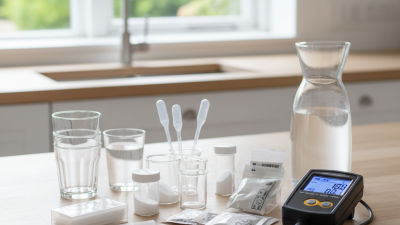
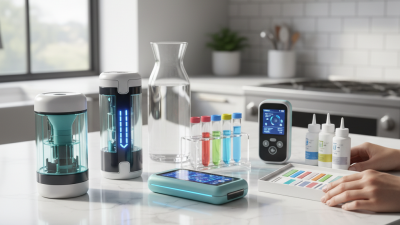
When it comes to ensuring the safety of drinking water at home, having a reliable water test kit is essential. In our review of the top at-home water test kits, we discover a range of options designed to detect common contaminants, including lead, chlorine, nitrates, and bacteria. Each kit provides easy-to-follow instructions, allowing homeowners to conduct tests quickly and efficiently, often with results available within minutes. The simplicity and accessibility of these kits empower individuals to take control of their water quality, promoting peace of mind in households across the board.
Additionally, the best kits offer a variety of testing capabilities. Some prioritize comprehensive testing, checking for multiple pollutants at once, while others specialize in specific contaminants. User-friendly features such as color-coded results and straightforward troubleshooting information enhance the testing experience, making it easier for anyone to interpret the findings. Furthermore, many of these kits come with helpful online resources, including detailed guides and customer support, ensuring that users can make informed decisions based on their test results.
How to Interpret Your Water Test Results
Understanding your water test results is crucial for ensuring the safety of your drinking water. According to the U.S. Environmental Protection Agency (EPA), contaminants such as lead, bacteria, and nitrates can pose serious health risks. When you receive your water test results, the first step is to familiarize yourself with the units of measurement used, typically parts per million (ppm) or milligrams per liter (mg/L). For instance, the EPA's action level for lead is set at 15 ppb (parts per billion). If your results exceed this level, immediate action is recommended to protect your health and that of your family.
Interpreting the results not only involves understanding the contaminants present but also their potential health impacts. The CDC highlights that even certain levels of nitrates—above 10 mg/L—can pose risks, especially for infants under six months. It's essential to cross-reference your results with established health guidelines, such as those provided by the World Health Organization (WHO) and EPA. Additionally, consider factors such as pH levels; water that is too acidic or alkaline can indicate issues with water quality and may affect your plumbing and appliances. Keeping these references in mind can empower homeowners to take informed actions regarding their water safety and treatment options.